The two eastern islands sit just a short ferry apart, share the same warm, breezy climate — and yet they draw very different crowds. Lanzarote is the one with the surreal volcanic art and tasteful low-rise villages; Fuerteventura is the one with the impossibly long white beaches and the wind that turns them into a surf paradise. Choosing between these Atlantic sisters comes down to whether you're here mainly for the scenery and design, or mainly for the sand and the sea sports. This is a clear, decisive comparison; for the full detail, see our Lanzarote and Fuerteventura hubs.
The quick verdict
Pick Lanzarote for jaw-dropping volcanic landscapes, César Manrique's art, wine and a bit more to see and do. Pick Fuerteventura for the very best beaches in the Canaries, dunes, and world-class wind and surf conditions. Both are flat, sunny and relaxed, and both reward hiring a car.
| Lanzarote | Fuerteventura | |
|---|---|---|
| Signature draw | Timanfaya volcanoes + Manrique art | Endless white-sand beaches |
| Best beaches | Papagayo coves, Famara (surf) | Sotavento, Corralejo dunes, Cofete |
| Scenery | Dramatic, black-and-red volcanic | Big, open, desert-like, huge skies |
| Wind & watersports | Good surf at Famara | Kite/windsurf capital of Europe |
| Sightseeing | Plenty — Manrique sites, wine, market | Fewer sights, more raw nature |
| Resorts | Puerto del Carmen, Costa Teguise, Playa Blanca | Corralejo, Caleta de Fuste, Morro Jable |
| Family-friendly | Yes — calm, tasteful | Yes — but beach-focused |
| Feel | Artful, designed, distinctive | Laid-back, sporty, wild |
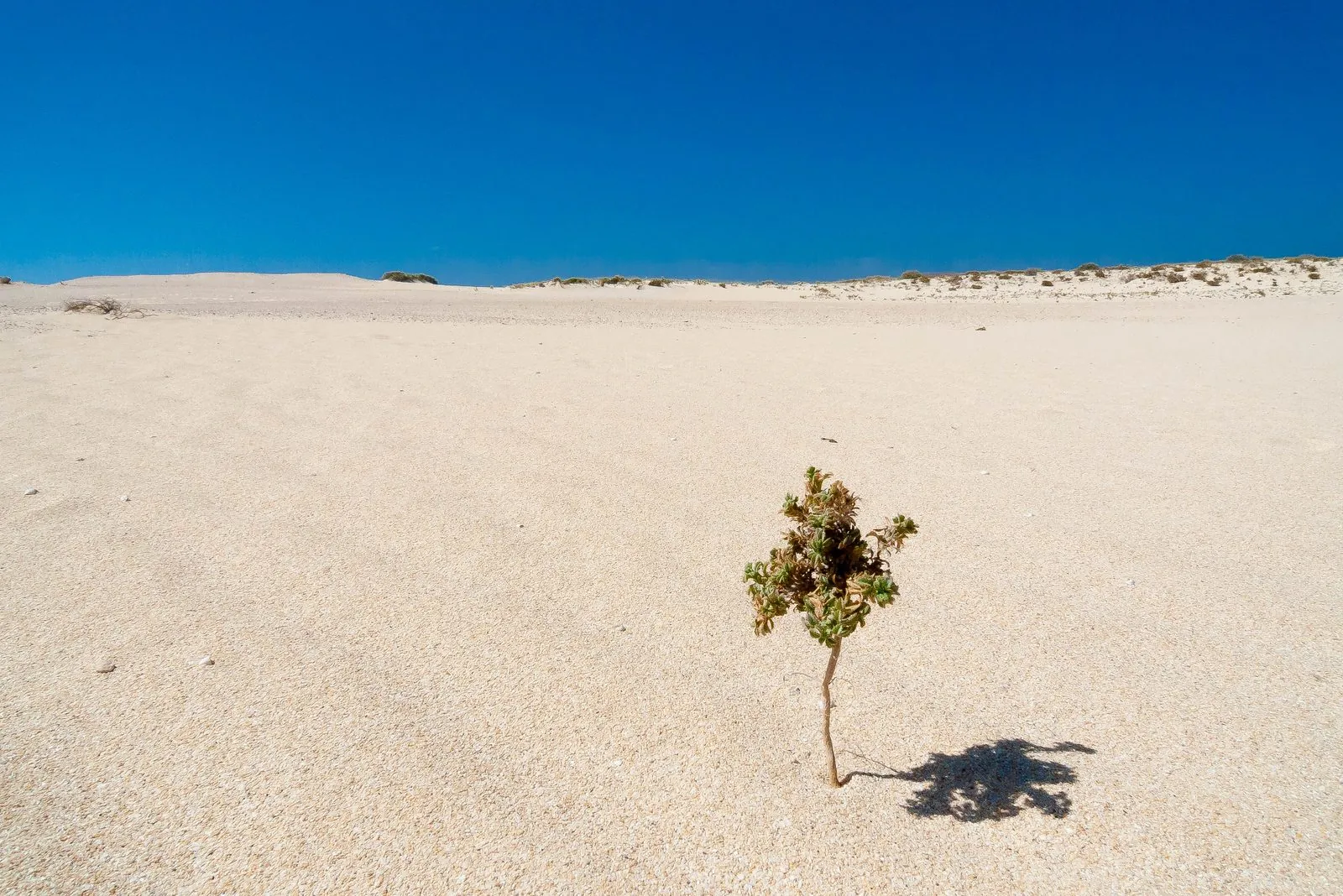
Photo: Thomas Tolkien · CC BY 2.0 · Wikimedia Commons · scaled
Beaches
Both are beach heavyweights, but Fuerteventura wins on sheer quantity and quality of sand. Its coastline is a near-continuous ribbon of white: the huge dunes of Grandes Playas de Corralejo in the north, the vast lagoon-and-sandbar of Sotavento in the south, and the wild, cliff-backed Cofete for adventurers. Lanzarote's beaches are fewer but gorgeous — the golden coves of Papagayo are among the loveliest in the archipelago, and the dramatic sweep of Famara is a surfers' favourite. If beaches are the whole point of your trip, Fuerteventura edges it.
Scenery and sightseeing
Here Lanzarote pulls ahead decisively. The island is a living volcanic sculpture: the fire mountains of Timanfaya National Park, where guides cook over geothermal heat, and the extraordinary legacy of artist César Manrique, whose homes, cactus garden and cave auditoriums blend art into the lava. Add the black-earth vineyards of La Geria, the underwater sculptures of the Museo Atlántico, and the old capital of Teguise with its famous Sunday market, and Lanzarote simply has more to see. Fuerteventura is more about raw nature — the dunes, the whitewashed village of Betancuria, and a boat trip to the tiny islet of Isla de Lobos.
Wind, surf and watersports
If you've come to ride the wind, Fuerteventura is the clear winner — its consistent trade winds and open beaches make it one of Europe's premier kitesurfing and windsurfing destinations, with Sotavento hosting world-championship events. Beginners find superb learn-to-surf conditions too. Lanzarote holds its own with the surf breaks off Famara and excellent diving, but for wind sports overall, Fuerteventura reigns.
Resorts and atmosphere
Lanzarote's resorts are famously low-rise and tasteful — a legacy of Manrique's insistence on no high buildings and traditional white-and-green paintwork. Lively Puerto del Carmen, purpose-built Costa Teguise and southern Playa Blanca (the ferry port for Fuerteventura) all share that calm, designed feel. Fuerteventura's resorts are more spread out and beach-centred: buzzy Corralejo in the north, family-friendly Caleta de Fuste in the middle, and the long beach town of Morro Jable in the far south. Neither is a party island — both keep a relaxed, grown-up pace.
Families and who each suits
Both are gentle, safe family islands, but in different ways. Lanzarote's calmer pace, tasteful resorts and mix of sightseeing (camel rides in Timanfaya, the aquarium, boat trips) give restless children more to do on non-beach days. Fuerteventura is heaven for beach-and-sandcastle families and older kids keen to learn to surf or windsurf, though there's less in the way of rainy-day attractions. Couples after design, wine and quiet lean Lanzarote; active beach-lovers and watersports fans lean Fuerteventura. Our Canaries with kids guide has more.
Food and drink
Fuerteventura is famous for its Majorero goat's cheese, one of Spain's finest, and for excellent fresh fish. Lanzarote punches above its weight with the volcanic wines of La Geria — crisp Malvasía grown in black-ash pits — best sampled at a bodega with a plate of tapas. Both islands keep prices friendly thanks to the low IGIC tax; see our Canarian food guide for what to order.
Getting there and around
Both are flat and easy to drive, with quiet open roads that make a hire car the natural way to reach the best beaches and viewpoints; bus networks are moderate. Handily, they're linked by a short, scenic ferry crossing between Playa Blanca and Corralejo, so you can day-trip from one to the other — see our ferries guide.
Best of both worlds: base yourself on one island and take the 25-minute ferry across for a day, or split a two-week trip between them. They pair together more naturally than any other Canary duo.
So which should you choose?
Choose Lanzarote if you want striking volcanic scenery, distinctive art and architecture, wine tasting and a bit more variety in your sightseeing. Choose Fuerteventura if beaches are your priority, you want dunes and space, or you're chasing wind and surf. Both deliver reliable sun and a mellow mood. Once you've decided, sort your base with our where to stay guide — and if you're weighing them against the bigger islands, our master which Canary island should you choose guide puts all four in one place.
Lanzarote for the art of fire and stone; Fuerteventura for the poetry of sand and wind. Sisters, not twins.