Twelve metres beneath the Atlantic off Playa Blanca stands a silent crowd of ghostly figures — Europe's first underwater sculpture museum, and one of the most extraordinary dives in the Canary Islands. The Museo Atlántico is a submerged gallery of around 300 life-size concrete figures created by British artist Jason deCaires Taylor for CACT Lanzarote, the island's public network of art and nature attractions. Cast from real islanders and arranged across a barren patch of seabed, the sculptures are slowly being colonised by algae, coral and fish, turning an art installation into a living reef. It's a genuinely unique thing to do on Lanzarote, and a standout in the wider world of diving in the Canary Islands.
What you'll see down there
The museum is made up of several separate installations spread across the sandy floor. The best known is The Rubicon, a procession of dozens of figures walking together towards a wall with a single doorway — a haunting comment on humanity and the choices we face. Elsewhere a group poses for selfies, a couple sits on a bench, and a full-size raft of figures references the plight of migrants crossing the sea. Taylor designed every piece with the environment in mind: the pH-neutral marine concrete is deliberately textured so that marine life takes hold, and over the years the figures have gathered a soft skin of seaweed, sponges and small creatures. What began as stark grey statues is becoming an artificial reef teeming with life.
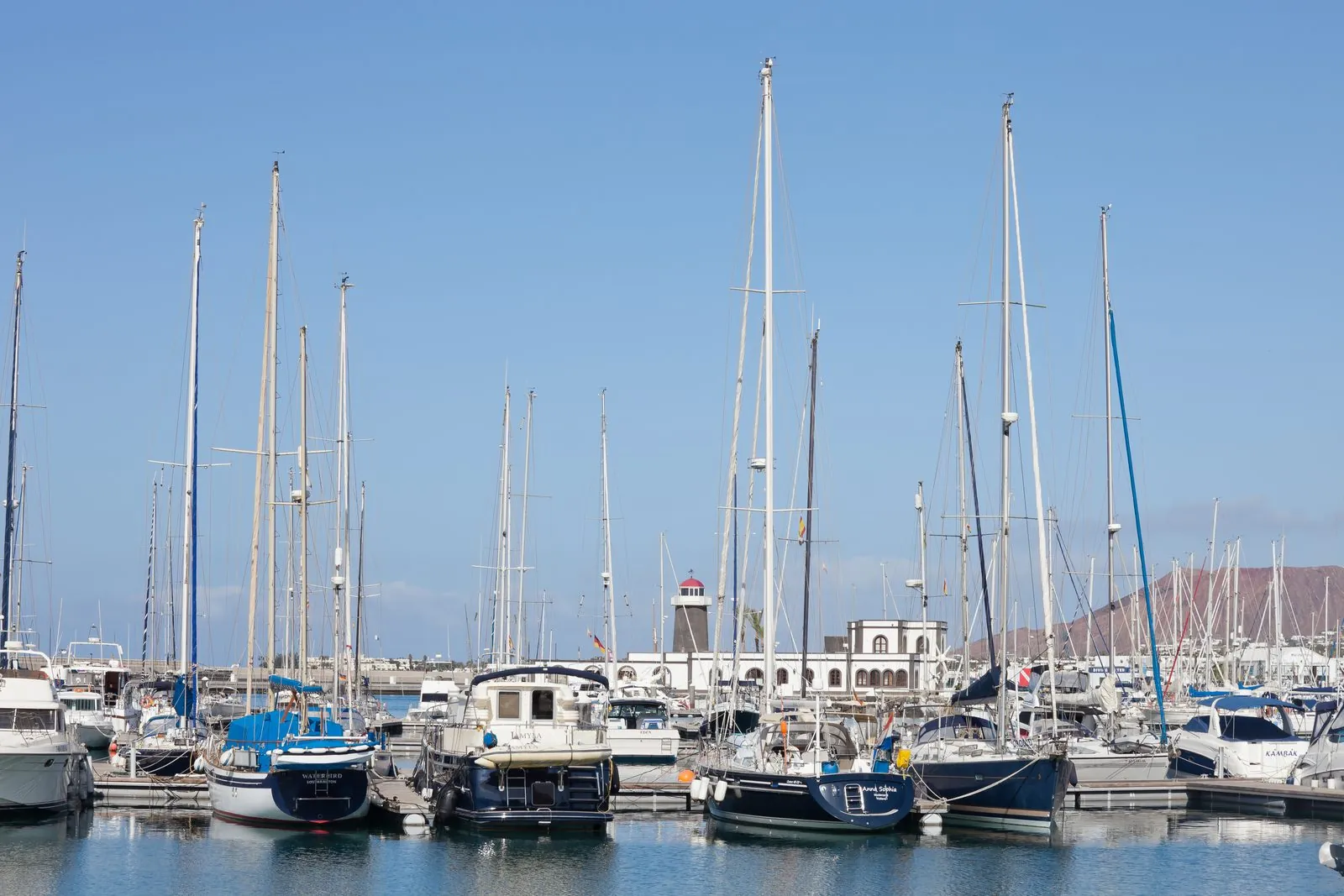
Photo: Luis Miguel Bugallo Sánchez (Lmbuga) · CC BY-SA 3.0 · Wikimedia Commons · scaled
Diving the museum
The Museo Atlántico sits at a depth of roughly 12–15 metres in the marine reserve off Playa Blanca, in the sheltered, warm and famously clear water of southern Lanzarote. That depth puts it firmly in scuba territory: it's a superb site for qualified divers, and an achievable, memorable dive for beginners doing a first open-water experience with a local centre. Visibility is often excellent, the seabed is flat and easy, and the eerie, silent figures looming out of the blue make for unforgettable photographs.
You don't have to be a certified diver. Local dive schools run guided trips to the museum for logged divers and also offer introductory "try dives" and courses for complete beginners, with all the kit included. Book through an established Playa Blanca centre, allow a full morning, and you'll be briefed and buddied up before you go anywhere near the figures.
Can you snorkel it?
Because the sculptures sit around 12 metres down, this is really a diving site rather than a snorkelling one — from the surface you'll only glimpse the tops of the tallest figures on a very clear, calm day, and even that involves a boat trip and a strong free-dive to get close. If your heart is set on seeing the detail, plan on scuba. Confident free-divers occasionally visit, but for most people a guided dive is the way to do the museum justice.
Access is by boat and by permit. The site is a protected marine area, and you can only visit as a diver with an authorised local operator — there's no shore access or walk-up entry, and touching or removing anything is strictly forbidden. Numbers are managed to protect the reef, so book ahead, especially in peak season.
Tickets and booking
The Museo Atlántico is a CACT Lanzarote attraction, and entry to the site carries a small museum fee that's usually bundled into the price you pay your dive centre alongside the boat, guide and equipment. As of 2026, expect to pay a package price for the guided dive rather than a stand-alone ticket, with introductory dives costing more than a single guided dive for qualified visitors — always confirm the current arrangements and what's included when you book. You can read the official details on the CACT Lanzarote website and through your chosen dive operator.
The art and the message
Jason deCaires Taylor is known worldwide for his underwater sculpture parks, and the Museo Atlántico, opened in 2016–17, was his first in Europe. Beyond the spectacle, the work carries a clear environmental message: by creating an artificial reef on a lifeless seabed, it draws attention to ocean conservation, climate change and migration, while actively boosting local marine life. Fish shelter among the figures, and the growing coating of life makes the museum change year on year. It's art you don't just look at but swim through — and that slowly disappears back into the sea.
Making a day of it
The museum pairs naturally with the rest of southern Lanzarote. Base yourself in Playa Blanca, dive in the morning, then spend the afternoon on the golden sand of the nearby Papagayo beaches or exploring the island's volcanic interior. It also slots into a wider Lanzarote itinerary alongside Timanfaya National Park and the visionary sites of César Manrique, the artist whose blend of art and nature set the tone for the whole island — a tone the Museo Atlántico carries on, twelve metres down. A hire car makes linking it all up easy.
An army of statues walking the seabed, softened by coral and circled by fish — the Museo Atlántico is art you dive into and watch the ocean reclaim.