

Your complete guide to the Canary Islands
The Canary Islands are Europe's year-round escape — a scatter of eight volcanic islands in the Atlantic Ocean, closer to the Sahara than to mainland Spain, where the weather is mild and sunny in every month of the year. They belong to Spain, use the euro and speak Spanish, yet they feel like nowhere else: black-lava badlands and golden Saharan dunes, banana plantations and pine forests, sleepy fishing villages and buzzing resort strips, all within a short drive of one another. For millions of sun-seekers from the UK, Ireland and northern Europe, this is the place you come when the nights draw in at home and you simply want to be warm.
But "the Canaries" is not one holiday — it is at least eight of them, and choosing the right island matters more than almost any other decision you'll make. That is what this guide is for. We're an independent, English-language guide written for real travellers: honest about what's worth your time and what isn't, careful with the facts, and always pointing you to the official source for the prices and opening hours that change.
Eight islands, eight very different holidays
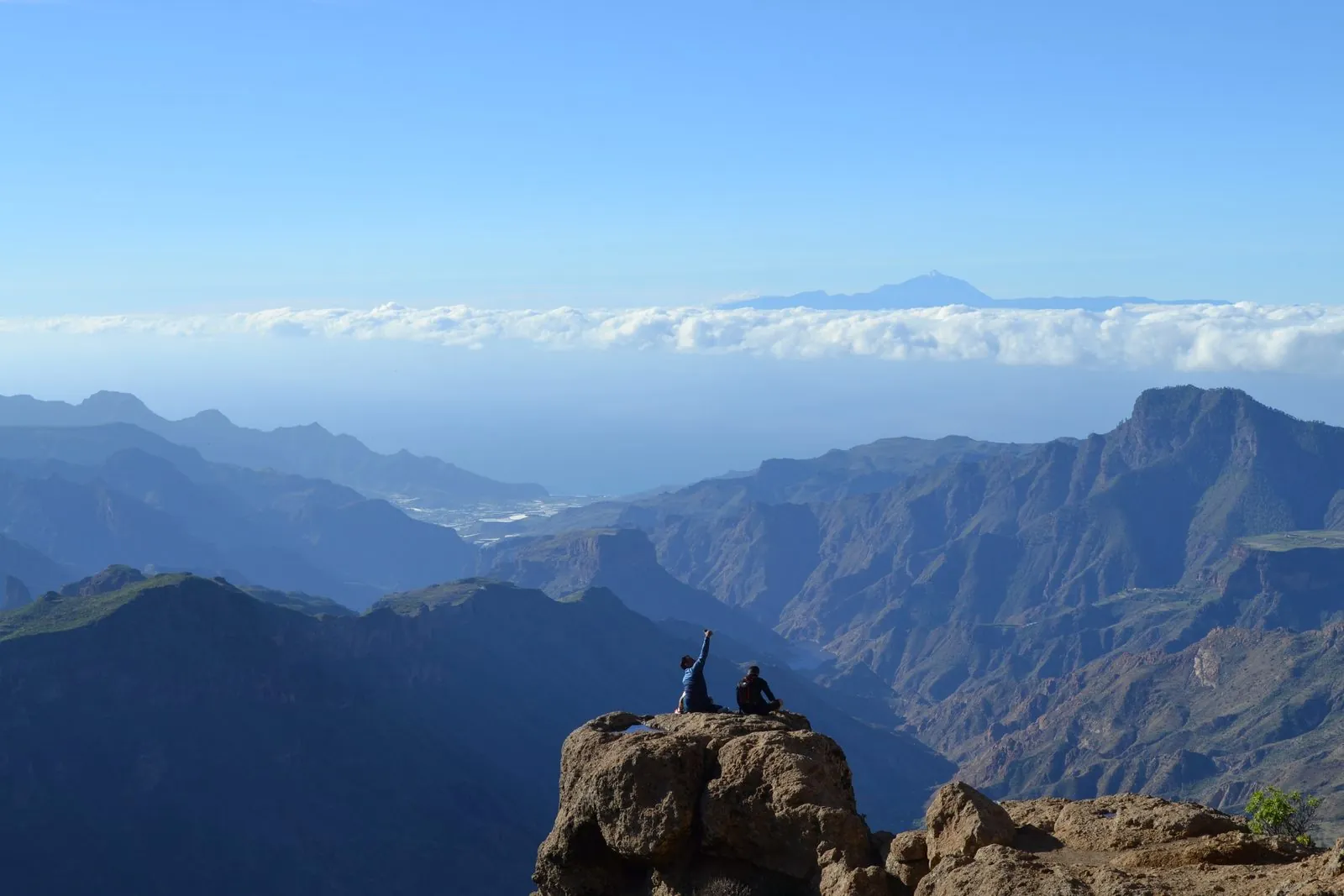
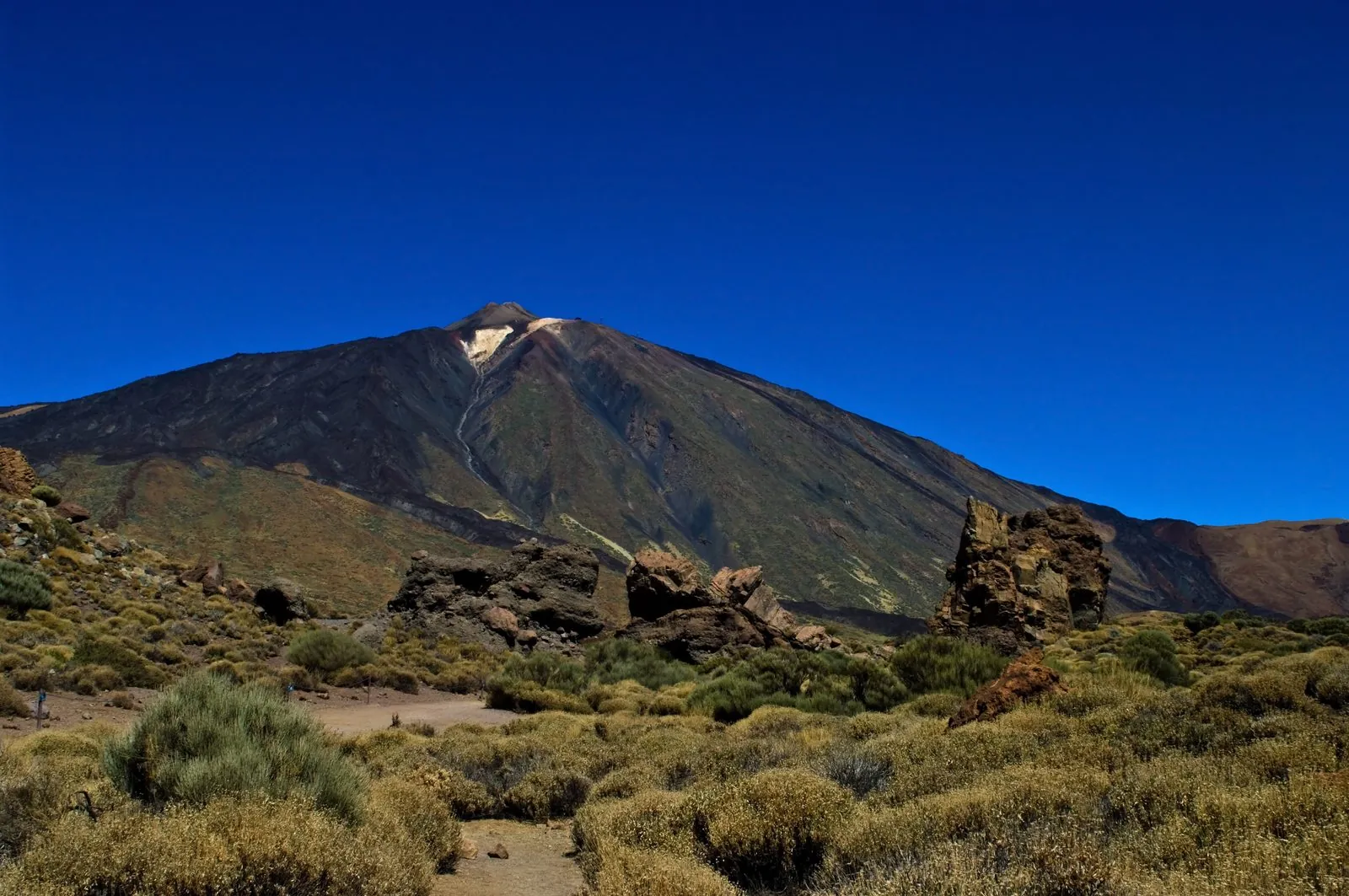
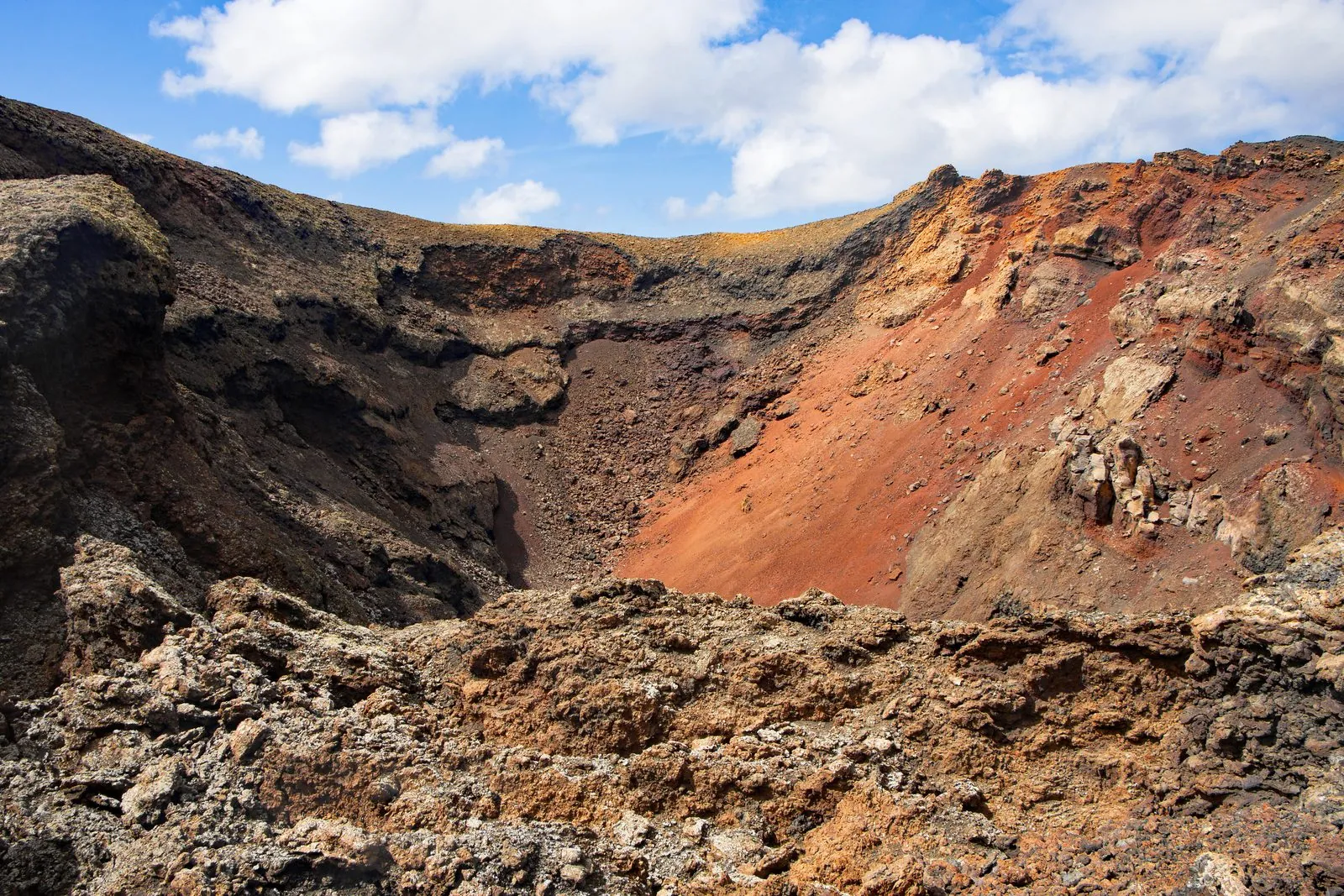
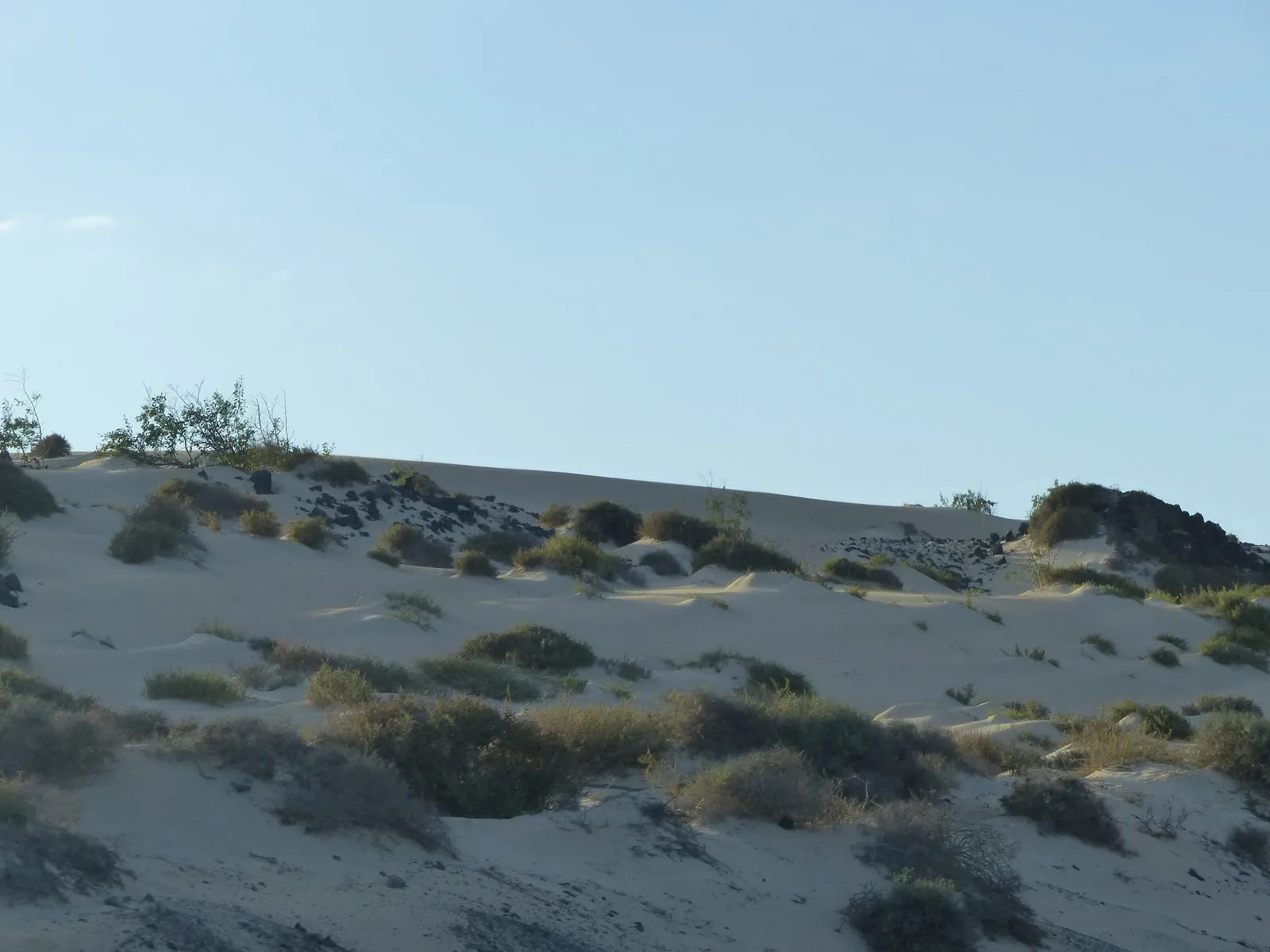
Gran Canaria is the all-rounder — a "continent in miniature" with the famous Maspalomas dunes and big, lively resorts in the sunny south, a green mountainous interior crowned by Roque Nublo, and a proper Spanish city, Las Palmas, in the north. Tenerife is the biggest and most varied, crowned by Mount Teide, Spain's highest peak, with the world-class Siam Park and whale-filled seas off the south. Lanzarote is a lunar island of black lava and whitewashed villages, shaped by the artist César Manrique, with the extraordinary Timanfaya volcanoes. Fuerteventura is one long beach — the surf-and-sand island, closest to Africa and never in a hurry.
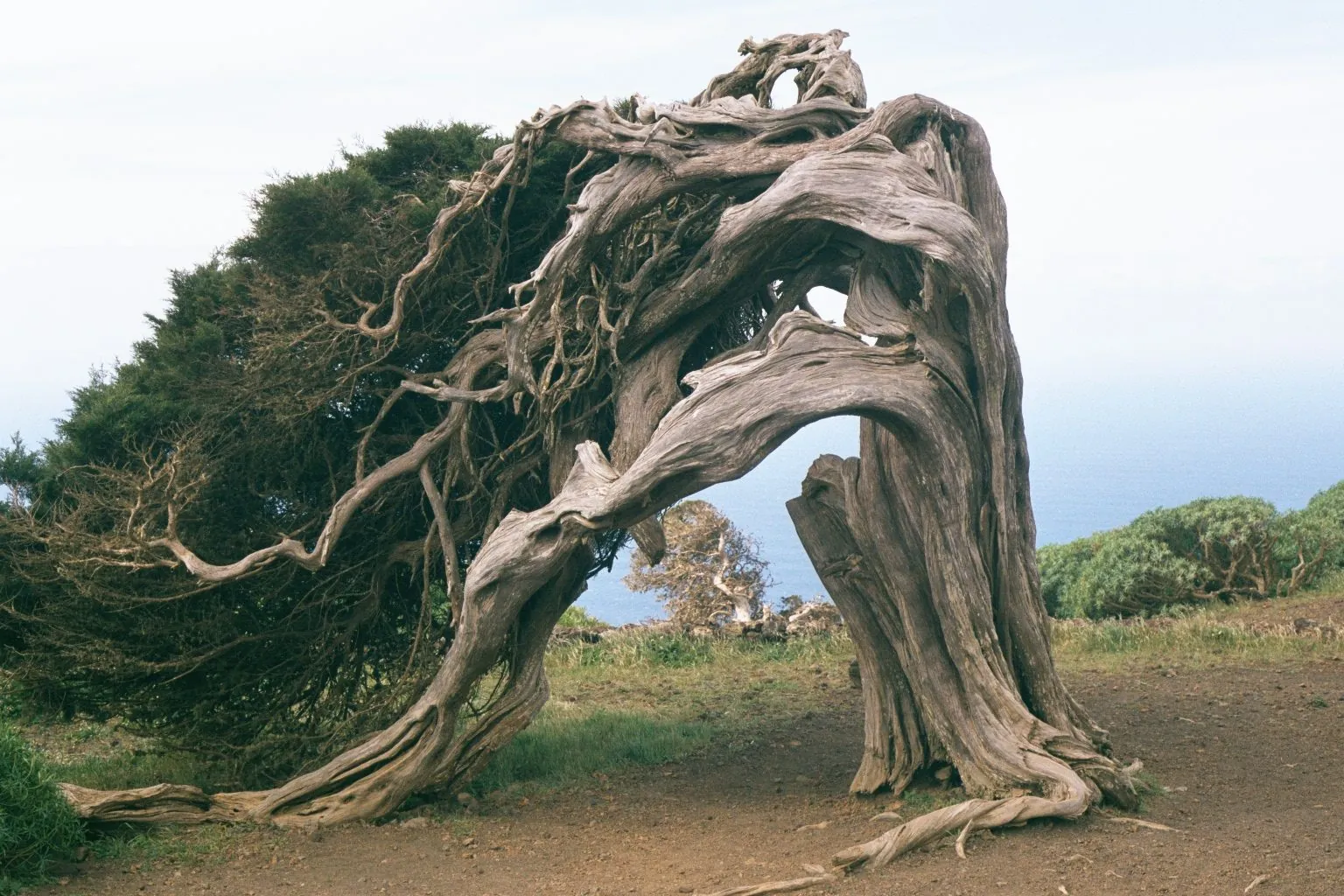
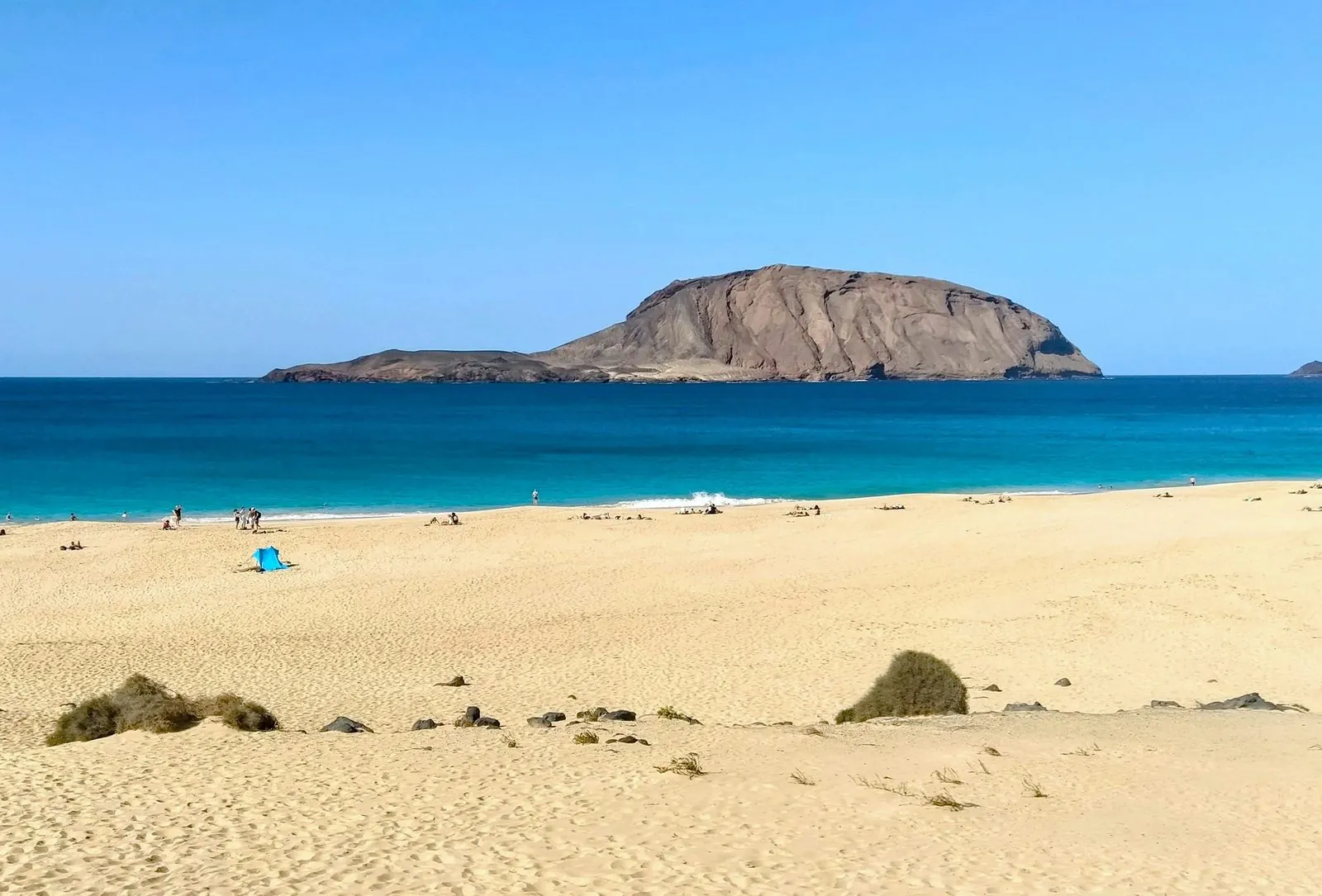
Then there are the quieter western isles, still gloriously off the mass-tourism radar: green, steep La Palma, with some of the clearest night skies on Earth; forested La Gomera, home to the ancient Garajonay cloud forest and a whistled language; tiny, tranquil El Hierro, a diver's paradise; and car-free La Graciosa, the eighth island, reached by a short ferry from Lanzarote. Not sure which is for you? Our where to stay guide matches islands and resorts to the kind of holiday you're after.
Beaches, food and things to do
Whatever your island, the beaches are a headline act — from the sheltered family bays of Amadores and the three-kilometre city beach of Las Canteras to the wild black sands of Playa Bollullo and the endless white dunes of Corralejo. Between beach days there's far more to do than you might expect: theme parks, volcanoes, wildlife and boat trips, superb hiking, diving and surfing, and pretty historic towns like La Orotava and Teguise.
And you'll eat well. Canarian cooking is honest, sunny and distinctive — start with papas arrugadas with mojo, move on to fresh Atlantic fish, and wash it down with a glass of volcanic wine or a show-stopping barraquito coffee. Our food and drink section explains what to order and where.
Getting there — and getting around
The islands are easy to reach: direct flights from across the UK, Ireland and Europe take around four hours, landing at one of eight airports. Once you've arrived, the real question is how to explore. Public buses are cheap and cover the main routes, but a hire car unlocks the mountains, the hidden coves and the villages the coaches never reach — see our honest guide to car hire and driving before you book. To island-hop, you can fly between the islands or take the ferries, which are half the fun. For the nuts and bolts of any journey — airport transfers, bus networks, route planning and the best way to get from A to B — our friends at Viamo's route-logistics guides are a genuinely useful companion to this site.
When to go, and what it costs
There's no bad time to visit — that's rather the point. Winters are famously mild, which is why the Canaries are Europe's favourite winter-sun destination; summers are warm but tempered by Atlantic trade winds. Our month-by-month guide and our explainer on Canary Islands weather will help you pick your window. The islands are also better value than much of Europe, helped by a low local sales tax (IGIC), and our budget guide shows how to keep costs down without missing out.
Something for every kind of traveller
Part of the islands' magic is how many different holidays they hold at once. Families love the calm, shallow beaches and the big water parks; our guide to the Canaries with kids gathers the most child-friendly resorts and days out. Couples come for the smart hotels of Meloneras and Costa Adeje, the sunsets and the seafood. Walkers and nature lovers head for the national parks, the laurel forests and the volcano trails. The islands are also one of Europe's leading destinations for LGBTQ+ travellers and a fast-growing base for digital nomads, thanks to fast internet, a low cost of living and that unbeatable climate. Whether you want to do everything or absolutely nothing, there's an island — and a corner of it — that fits.
We'd also gently encourage you to travel kindly. The dunes, the marine reserves and the ancient forests are fragile; stick to marked paths, take your litter with you, choose licensed operators for whale watching and diving, and spend a little in the family-run guachinches and village restaurants that keep island life going. A few words of Spanish go a long way, too.
Part of a bigger trip?
Many visitors combine the islands with time on the Spanish mainland — and if that's you, the Málaga & Costa del Sol guide is the perfect companion for the Andalucían leg of your journey, with the same practical, English-language approach we take here. And if the islands give you a taste for tropical, beach-fringed escapes further afield, you might enjoy planning a very different sort of island adventure with the Visit Thailand travel guide — another warm-weather destination where a little local know-how goes a long way.
Start planning
However you like to travel — a first family package holiday, a winter of remote work, a two-week road trip across three islands, or a quiet hiking escape on La Palma — you'll find a guide here to help. The best place to begin is by choosing your island. From there, dive into the beaches and things to do, get inspired by our one-week and two-week itineraries, and sort the practical details in Plan Your Trip. We check our facts and keep this guide current — but always confirm prices and opening hours with the official source before you set off. Now, let's find your Canary Island.