The Canary Islands are quietly one of Spain's great cheese regions — home to some of the finest goat's cheeses in the world, made on wind-blown volcanic islands where hardy goats have thrived for centuries. From a Fuerteventura cheese that has been crowned world champion to a smoked wonder from La Palma, Canarian cheese is a highlight of any trip and, for many visitors, an unexpected one.
Goats outnumber almost everything on these islands, and dairy tradition runs deep. The results are cheeses with real character: bright, tangy, sometimes smoky, ranging from soft and fresh to firm and aged. Four in particular are worth knowing by name, and one gloriously simple way of serving them will win you over on the first bite.
Majorero — Fuerteventura's world champion
The star of the islands is Queso Majorero, made from the milk of the Majorera goat on Fuerteventura. It was the first Spanish goat's cheese to earn PDO (Protected Designation of Origin) status, and it has genuine global pedigree — Majorero cheeses have been named among the best in the world at international competitions, including top honours at the World Cheese Awards.
Young Majorero is creamy, mild and faintly nutty; as it ages it firms up, deepens and turns sharper and more complex. Look for wheels rubbed on the rind with paprika (pimentón), toasted gofio or oil, which give the outside a rust-red or golden coat and add subtle flavour. On an island this dry and sun-baked, it's remarkable that such a rich cheese comes from it — but the tough Majorera goats and their concentrated milk are the secret.
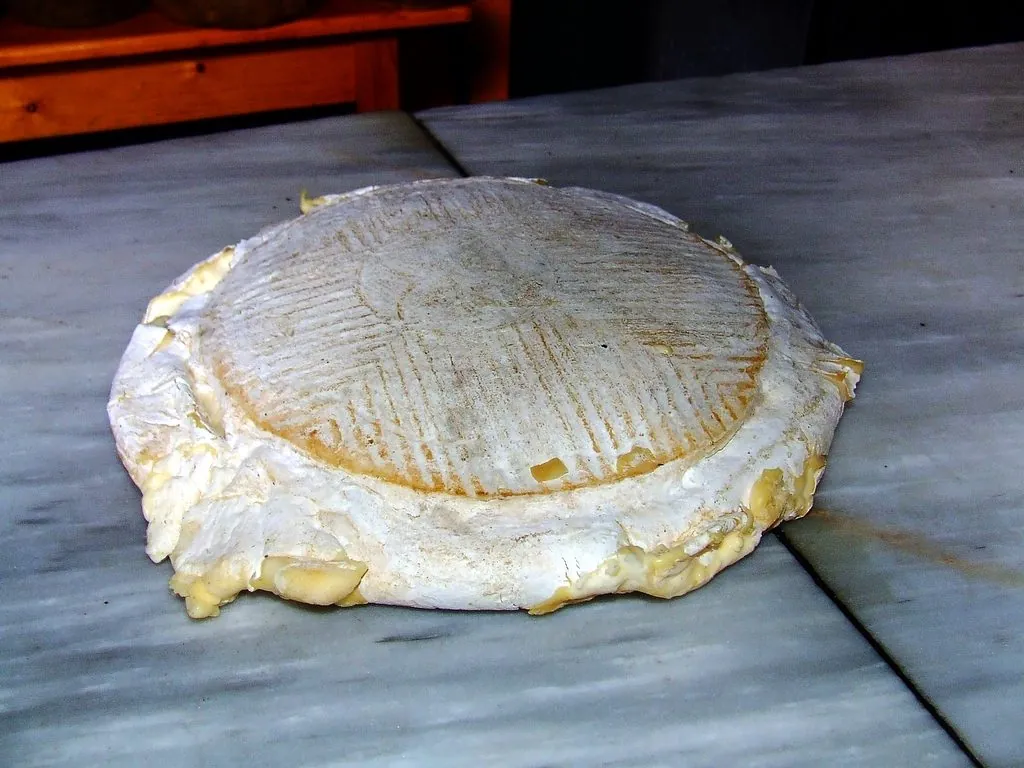
Photo: Sergio Gil · CC BY-SA 2.5 · Wikimedia Commons · converted
Flor de Guía — the thistle-flower cheese of Gran Canaria
From the northwest of Gran Canaria, around the town of Guía, comes one of Spain's most unusual and prized cheeses: Queso de Flor de Guía. What sets it apart is the rennet. Instead of animal rennet, it's curdled using the dried flower of the wild cardoon thistle, which gives the cheese a distinctive, slightly bitter, herbaceous edge and a soft, spreadable, almost buttery texture.
Made largely from sheep's milk (often blended with cow's and a little goat's), it too holds PDO status and is produced in small quantities, which makes it something of a connoisseur's find. Related local styles include Queso de Media Flor and Queso de Guía, using varying amounts of the thistle rennet. If you see it on a menu or at a market, don't hesitate.
Smoked Palmero — La Palma's fireside cheese
On La Palma, the tradition is smoke. Queso Palmero is a large goat's cheese — wheels can be genuinely big — made from the milk of the local Palmera goat and, in its classic form, gently smoked over island woods such as almond shells, prickly-pear cactus or Canary pine. The smoking gives it a warm amber rind and a mellow, savoury depth that sets it apart from the islands' fresher cheeses.
It carries PDO status of its own and ranges from young and supple to firm and mature. A slice of smoked Palmero with a little local honey or fig is a small revelation.
Conejero — Lanzarote in a wheel
From the volcanic landscapes of Lanzarote comes Queso Conejero (the islanders are nicknamed conejeros). Made from goat's milk on an island with barely any rainfall, it's typically fresh to semi-cured, clean and tangy, and sometimes rubbed with paprika or gofio like its Fuerteventura cousin. It's the perfect match for the island's other volcanic-soil produce and its distinctive Malvasía wines.
Cheese makes the ideal edible souvenir. A vacuum-packed wedge of aged Majorero or smoked Palmero travels home beautifully and keeps for weeks. Buy from a market stall or a specialist and ask for a curado (aged) one for maximum flavour.
Queso asado — the way to eat it
Here's the dish that turns cheese-lovers into cheese-obsessives: queso asado, grilled cheese, Canarian style. A thick slab of firm island cheese is seared on a hot griddle or grill until the outside is golden and just melting while the middle stays soft, then served hot with a spoonful of mojo — usually the green coriander mojo — or a drizzle of local honey.
The contrast is irresistible: salty, warm, molten cheese against the fresh garlicky bite of the sauce. It's one of the great Canarian starters, and it pairs naturally with a plate of papas arrugadas con mojo and a glass of island wine. You'll find it on tables across the islands, from harbourside restaurants to rustic mountain taverns.
Not all "grilled cheese" is created equal. On the tourist strips it's sometimes made with cheap imported cheese. For the real thing, choose places using named local cheeses — a good tasca or guachinche will tell you which island the cheese comes from.
Where and how to try Canarian cheese
Seek out cheese in the places that take it seriously: farmers' markets (mercados), specialist cheese shops, and traditional restaurants a street back from the seafront. Order a tabla de quesos (cheese board) to compare young and aged versions side by side, try queso asado as a starter, and don't miss the pairing with honey, membrillo (quince paste) or a good Canary wine.
Canarian cheese is proof that these islands' food is far richer than the beach-resort menus suggest. To put it in the fuller context of the local table, read our guide to Canarian food — and make room in your suitcase for a wedge to take home.