The Canary Islands make some of the most distinctive wines in the world — grown in black volcanic ash, on vines that survived a plague that wiped out much of Europe's vineyards, and with a history so illustrious that Shakespeare's characters called for a cup of "Canary sack". For a holiday drink that tastes of nowhere else, skip the imported bottles and order local: these are wines shaped entirely by fire, wind and lava.
Because the islands were never reached by the phylloxera louse that devastated European vineyards in the 19th century, many Canarian vines grow on their own original rootstock, including old grape varieties that have vanished elsewhere. Add volcanic soils, sea breezes and altitude, and you get wines with a mineral, smoky character all their own. Here's how to find and enjoy them.
Malvasía: the wine that charmed Shakespeare
The islands' most historic wine is Malvasía (Malmsey), a grape that produces everything from crisp dry whites to lusciously sweet dessert wines. In the 16th and 17th centuries sweet Canary Malvasía — known in England as "Canary sack" — was a prized export shipped to the courts and taverns of Europe; Shakespeare name-checks it more than once, and Falstaff was famously fond of a cup. Today you can still buy the sweet, honeyed style, all apricot and dried fruit, as well as fresher modern dry versions. A glass of sweet Malvasía with a wedge of local cheese or a spoon of bienmesabe is a proper island moment.
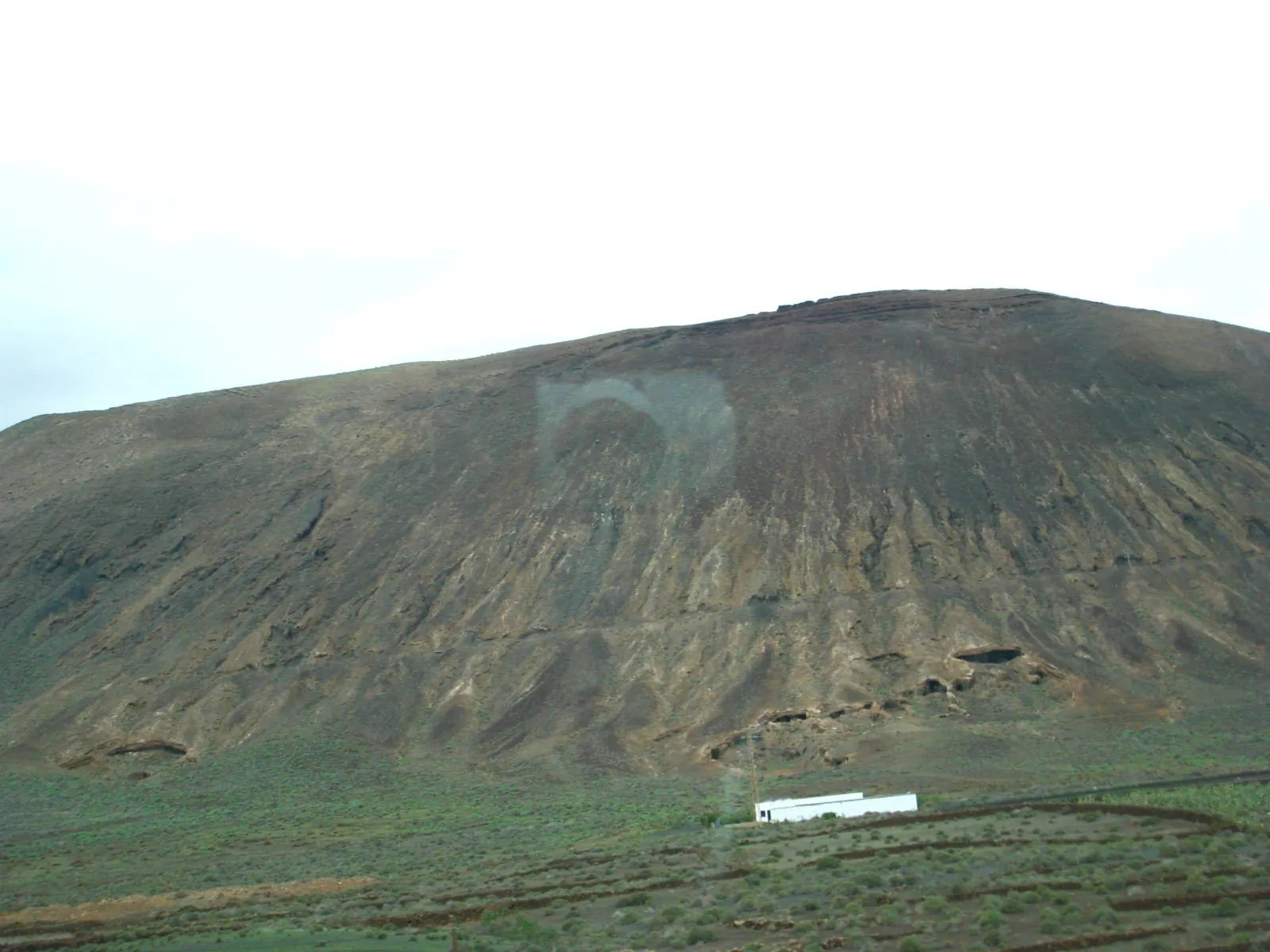
Photo: Suzan Marie · CC BY 2.0 · Wikimedia Commons · scaled
The grapes to look for
Beyond Malvasía, the islands grow a fascinating roster of grapes, many unique to the archipelago. The workhorses you'll see most often are:
- Listán Blanco — the main white grape (the same variety as mainland Spain's Palomino), giving fresh, dry, mineral whites that are perfect with fish and papas.
- Listán Negro — the signature red, producing light-to-medium wines with a distinctive smoky, almost volcanic edge; often best served lightly chilled.
- Negramoll, Vijariego, Marmajuelo and Gual — characterful local varieties worth trying if you spot them, part of what makes island wine lists so different.
Don't judge a Canarian red by mainland standards — the classic Listán Negro is lighter and smokier than a Rioja, and many locals drink it slightly chilled, especially in summer. Order it that way and it makes far more sense with the food and the climate.
La Geria: vineyards in the lava
The most extraordinary vineyard landscape in the islands — arguably in the world — is La Geria on Lanzarote. After the catastrophic 18th-century eruptions buried much of the island in ash, farmers discovered that vines planted through the black cinder (picón) thrived, because the porous ash traps the island's scarce moisture and dew. The result is unforgettable: each vine grows alone in a scooped-out hollow, or zoco, in the black gravel, sheltered from the relentless trade winds by a low curved wall of dry-stone volcanic rock. Row upon row of these dark craters roll across the plain beneath the volcanoes — a working vineyard that looks like the surface of the moon. Driving or cycling the La Geria wine road, stopping at bodegas to taste as you go, is one of Lanzarote's great days out.
Tenerife's mountain vineyards
The largest wine island is Tenerife, which alone holds five protected Denominación de Origen (DO) regions climbing the slopes of Mount Teide. The best known is Tacoronte-Acentejo in the green north, but look out too for Ycoden-Daute-Isora, Valle de la Orotava (famous for its unusual braided, rope-like vine training), Valle de Güímar and the high-altitude Abona, where vines grow well over 1,000 metres up. Some of Tenerife's old vines are among the highest and oldest in Europe, and the wines have earned a growing international following. Every inhabited island now makes wine — La Palma, El Hierro, Gran Canaria, La Gomera and Fuerteventura all have their own DOs and specialities.
How and where to taste
Trying the wines is easy and rewarding. A few ways in:
- Visit a bodega. Many wineries, especially along Lanzarote's La Geria road and in northern Tenerife, welcome visitors for tastings and cellar tours — call or check ahead, as opening hours vary by season.
- Order it with dinner. Ask for the vino de la casa or a local DO by the glass; it's usually inexpensive and far more interesting than an imported bottle.
- Find a guachinche. In Tenerife's wine country, these rustic seasonal eateries sell the family's own young wine straight from the barrel alongside home cooking — cheap, cheerful and utterly authentic.
Bodega opening hours and tour times change with the season and the harvest, and smaller wineries may only open by arrangement. Always check the winery's own details before making a special trip, and if you're tasting, plan a driver or a tour so nobody's behind the wheel.
Bringing a bottle home
Canarian wines are still relatively hard to find outside the islands, which makes a bottle a genuinely special souvenir — a sweet Malvasía, a smoky Listán Negro or a crisp island white will bring the holiday back long after the tan has faded. Many bodegas and local shops will pack bottles safely for the flight. Pair your discoveries with the local table: read our guide to Canarian food, and the famous papas arrugadas and mojo that go so well with a glass of island white. Salud.