March is the month the Canaries tip gently into spring. The days stretch longer and warmer, the interior is green and flushed with wildflowers, and there's a real sense of the season turning. It's also a month of festive finales: the big-city Carnivals often spill into early March, and in some years Easter's Semana Santa falls here too. Add the occasional Saharan haze and you have one of the year's most varied and rewarding months.
March at a glance
| Typical March | |
|---|---|
| Daytime high (south coasts) | Around 21–23 °C |
| Overnight low | Around 14–16 °C |
| Sea temperature | Around 18–19 °C (cool but starting to turn) |
| Rainfall | Low and easing; north still catches showers |
| Crowds & prices | Generally calm; sharp spike if Easter lands in March |
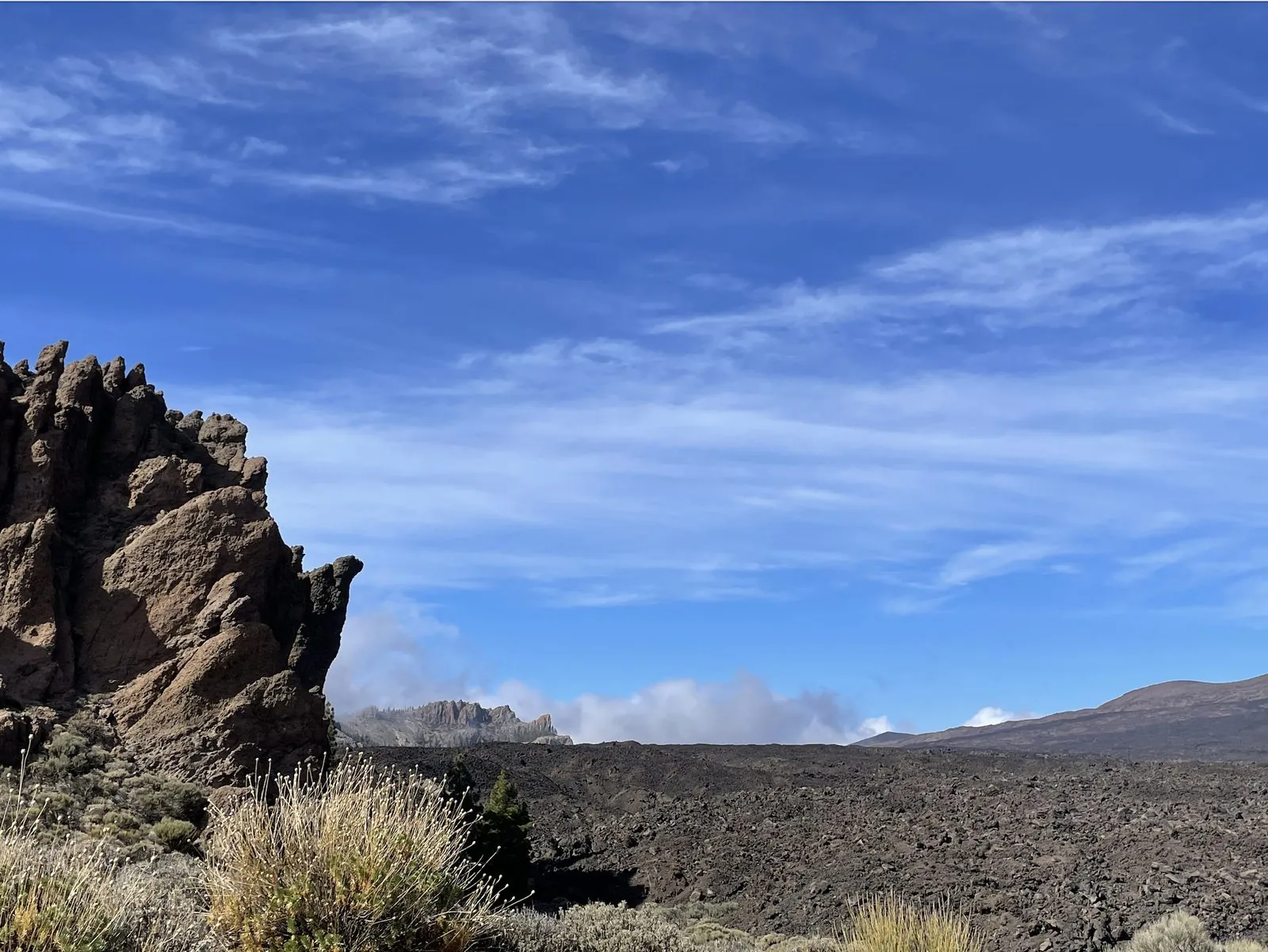
Photo: Deepcom · CC BY-SA 4.0 · Wikimedia Commons · scaled
The weather: warming, longer, greener
March days edge up a degree or two on midwinter, and the extra daylight makes them feel warmer still. The south coasts of Gran Canaria and Tenerife are reliably bright, while the north keeps its greener, cloudier character with fewer showers than in deep winter. This is one of the loveliest months for the interior: the hills are lush and dotted with wildflowers after the rains, ideal for exploring the likes of Roque Nublo or the Anaga forests. Higher ground and Teide remain cold, so keep layers for any mountain day.
March is a common month for the calima — a Saharan dust haze that brings a sudden heat spike, a milky sky and a fine reddish film on cars and balconies. Most pass in a day or two; on a strong one, keep windows shut and take it easy outdoors if dust bothers you. Our weather guide explains it in full.
The sea & swimming
The Atlantic is still on the cool side in March — this is around its annual low — but it's beginning to turn, and sheltered south-facing bays feel pleasant in the sun. Committed swimmers are happy; most visitors mix beach time with heated pools. Sun-trap beaches such as Amadores, Playa de las Vistas and Fuerteventura's sheltered coves are the pick for warmth.
What's on: Carnival finales & (some years) Easter
Depending on the calendar, the tail end of Carnival often falls in early March — including some of the most theatrical closing rituals, such as the mock funeral of the "Burial of the Sardine". If you missed February's big nights, check the dates for Carnival in Tenerife and Carnival in Las Palmas, which move each year. In years when Easter is early, Semana Santa (Holy Week) also lands in late March, bringing solemn, atmospheric processions to towns like La Laguna and Las Palmas — see our guide to Semana Santa in the Canaries.
Crowds & prices
Outside those festive dates, March is a calm, good-value month — the winter-sun crowd is thinning and summer hasn't arrived. The big exception is Easter: if Semana Santa falls in March, expect a sharp, short spike in demand and prices, especially over the long weekend, as Spanish families travel. Book ahead if your dates overlap; otherwise you'll find the islands relaxed and reasonably priced.
Best islands & things to do
March rewards the active traveller. The green, flower-strewn trails make it a superb month for hiking — try Garajonay on La Gomera or Caldera de Taburiente on La Palma. For dependable sun and easy beach days, the low islands of Lanzarote and Fuerteventura are hard to beat, with Papagayo and Sotavento at their spring best. It's also fine whale-watching weather off Tenerife, and the still-dark skies keep stargazing excellent.
Who March suits
March is ideal for walkers and nature-lovers who want the islands green, for culture-seekers catching the Carnival or Easter processions, and for anyone after warm sun without the crowds — provided they dodge the Easter spike. It's less suited to warm-sea swimmers, who should look to autumn. Compare your options in the best time to visit guide, or read on to April, when spring really settles in.