The short, happy answer is: almost any time. The Canary Islands sit far enough south — off the coast of Africa, on roughly the same latitude as the Sahara — to enjoy warm, gentle weather all year round, which is exactly why they became Europe's favourite winter-sun escape. There's no truly bad season here, only different ones. The trick is matching the month to what you actually want: guaranteed beach heat, the lowest prices, the biggest fiestas, or the quietest coves. This guide walks you through the year month by month, explains the odd Saharan dust haze known as the calima, and helps you pick the right island and coast for your dates.
Why the Canaries work in winter
Most of Europe shuts down for the cold half of the year; the Canaries barely notice it. Even in the depths of December and January the coastal resorts stay mild and often sunny, with sea temperatures that remain swimmable for the hardy and very pleasant for everyone by day. That reliability is the islands' great selling point. While the Mediterranean shivers, the south coasts of Gran Canaria, Tenerife and Fuerteventura deliver shirt-sleeve days and long light. This is the season when the islands are at their busiest and priciest, precisely because they deliver what nowhere else in Europe can.
The four seasons, gently sketched
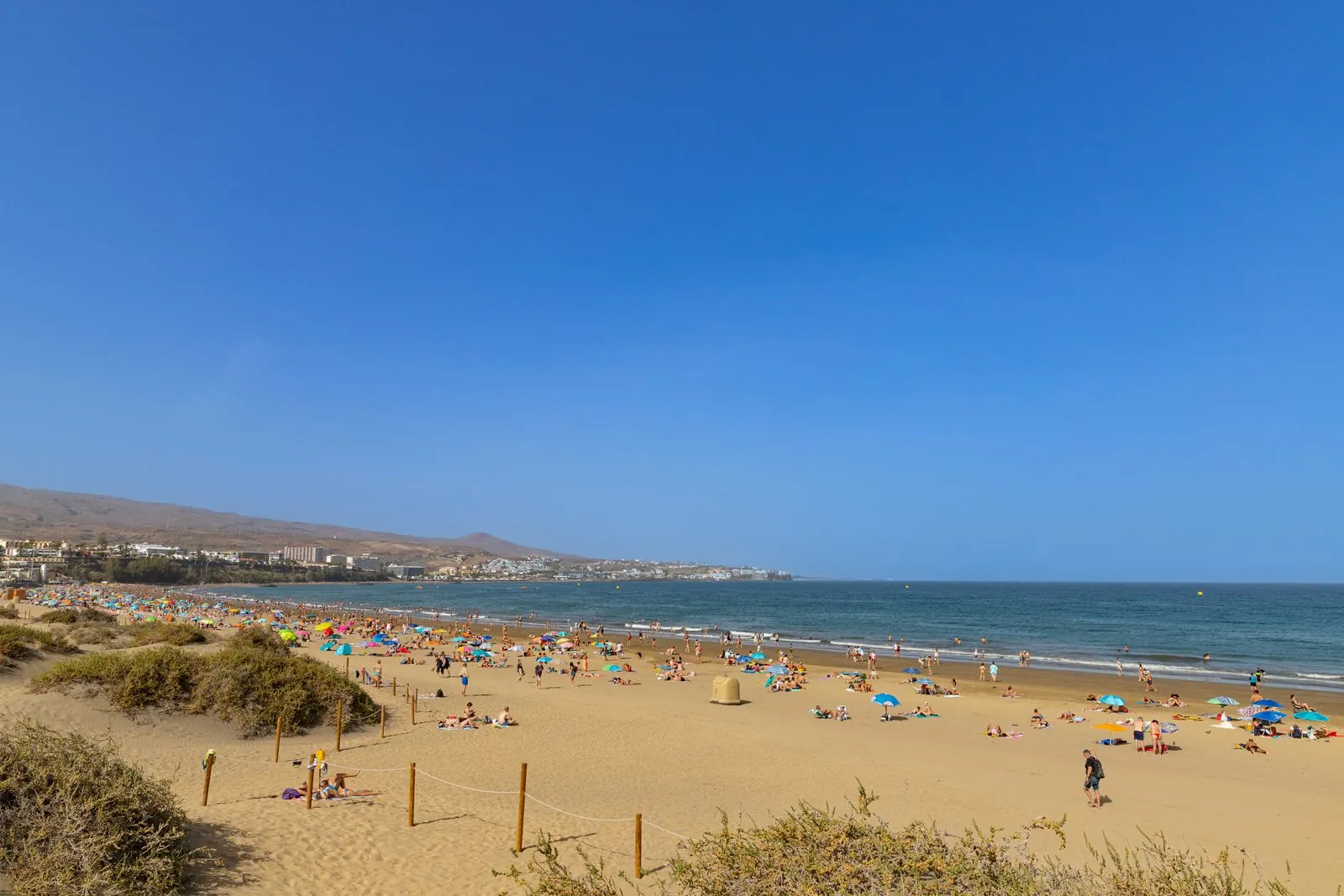
The Canaries don't have dramatic seasons so much as subtle shifts in temperature, crowds and price. Summer (roughly June–September) is hot, dry and busy with European holidaymakers. Autumn (October–November) is arguably the sweet spot — the sea is at its warmest after months of summer sun, the peak crowds have thinned, and prices ease. Winter (December–March) is the classic sun-seeker season, mild and bright but with the year's biggest crowds around the holidays. Spring (April–May) is warm, calm and pleasantly quiet, a lovely time to walk or explore.
Month by month
Coastal daytime temperatures barely swing more than a handful of degrees across the year — the real variables are how warm the sea feels, how many other visitors there are, and what's on. Use this as a broad guide rather than a forecast; the mountains are always cooler than the coast.
| Month | Feel | Sea | Crowds & prices | Notes |
|---|---|---|---|---|
| January | Mild, bright, occasional shower in the north | Coolest of the year but still swimmable | Busy early, then quieter | Winter-sun peak; Three Kings (6 Jan) fiestas |
| February | Mild and sunny on the south coasts | Cool | Busy where Carnival lands | Carnival season begins — huge in Santa Cruz & Las Palmas |
| March | Warming, long light | Cool but improving | Easter can spike sharply | Carnival often runs into March; Easter (Semana Santa) |
| April | Warm, calm, green interior | Cool-to-mild | Quiet outside Easter | Excellent for hiking and touring |
| May | Warm and settled | Mild | Quiet, good value | One of the loveliest all-round months |
| June | Hot, dry, reliable sun | Warming nicely | Ramping up | Long days; summer season begins |
| July | Hot on the coast | Warm | Busy, higher prices | Peak European summer; north cloudier |
| August | Hottest, driest | Warm | Busiest, priciest | Occasional calima heat spikes |
| September | Hot, gorgeous, calmer | Warmest of the year | Easing after August | A top pick for warm-sea holidays |
| October | Warm, mellow | Still very warm | Quieter, better value | Autumn sweet spot |
| November | Mild, some northern showers | Cooling but pleasant | Quiet before Christmas | Good value winter-sun |
| December | Mild and bright on the coast | Cooling | Christmas/New Year spike | Book festive weeks far ahead |
North versus south: the microclimate that matters
The single most useful thing to understand about Canary weather is that each island is really two climates. The northeast trade winds pile moist cloud against the northern coasts and mountains, keeping them greener, cooler and more prone to grey mornings and light showers. The south sits in the rain shadow, drier and sunnier — which is exactly why nearly all the big beach resorts face south. On Gran Canaria you'll hear locals grumble about the panza de burro ("donkey's belly"), a stubborn low grey cloud that can sit over Las Palmas in summer while the south basks. So if reliable winter sun is your goal, base yourself on a south coast; if you love green landscapes and cooler walking, the north and the interior reward you. It also means a cloudy morning at your hotel needn't ruin the day — driving to the other side of the island can change the sky entirely.
Chasing guaranteed sun in winter? Choose a south-facing resort — Maspalomas and Puerto Rico on Gran Canaria, Costa Adeje on Tenerife, or almost anywhere on Fuerteventura and Lanzarote, both of which are low, dry and sunny all over.
The calima: Saharan dust days
Every so often the wind swings round from the east and carries fine Saharan dust across the water. This is the calima. It brings a sudden jump in heat, a hazy, milky sky that mutes the sun, and a faint film of reddish dust on cars and balconies. Most calimas are mild and pass within a day or two; the strongest can reduce visibility and briefly disrupt flights. They can happen at any time of year but are more common in the warmer months. If asthma or allergies affect you, keep windows shut and take it easy outdoors on the worst days — but for most visitors a calima is simply an unusually hot, dreamy-hazy interlude rather than a holiday-wrecker.
During a strong calima, air quality drops and inter-island flights or ferries can occasionally be delayed. Build a little slack into tight island-hopping plans, and check ahead if you're flying on a very hazy day.
The two big peaks: Christmas and Carnival
Two periods reliably fill the islands and push prices up. The first is Christmas and New Year, when sun-starved northern Europeans flock south; festive weeks sell out early and cost the most of the year, so book well ahead. The second is Carnival (usually February, sometimes spilling into March), the islands' most spectacular party. The big-city Carnivals in Santa Cruz de Tenerife and Las Palmas de Gran Canaria are enormous — elaborate costumes, all-night street parties, drag galas and parades — and rank among the largest in the world. If a wild fiesta is the point of your trip, aim for these dates; if you'd rather have quiet beaches, avoid the host cities that fortnight.
So when should you go?
For the warmest sea, target September and October. For the best value and calm, try May or November. For dependable winter sun, come December to March and stay on a south coast. For the biggest party, chase Carnival. Whatever you choose, plan the practical side next: see our guides to getting to the islands, where to stay, and keeping a lid on the budget in costs and money. Then all that's left is to pick a beach.