The Canary Islands can be a package-holiday splurge or one of Europe's best-value winter escapes — the difference is mostly down to how you do it. Warm weather that's free, beaches that cost nothing, a low local sales tax and a strong self-catering scene all work in your favour. Spend where it counts and sidestep the resort-strip markups, and a Canary trip stretches surprisingly far. Here's how to keep costs down without skimping on the good bits.
Low season versus high season
Timing is the biggest lever on price. The islands are busiest and dearest in winter — this is peak sun-seeker season — with the sharpest spikes around Christmas, New Year and Carnival. If you can travel outside those windows, you'll pay noticeably less for the same sunshine. Late spring and early autumn are the sweet spots: warm, quieter and much better value, with the added bonus that the sea is at its warmest in autumn. Even shifting a winter trip to November or a shoulder week can cut flight and hotel prices. For the full month-by-month picture, see our best time to visit guide.
Prices swing hardest on flights and accommodation, not on food or transport once you're there. Being flexible by a week or two — and avoiding school holidays and Carnival fortnight — is the easiest saving you'll make.
Where to stay: self-catering wins
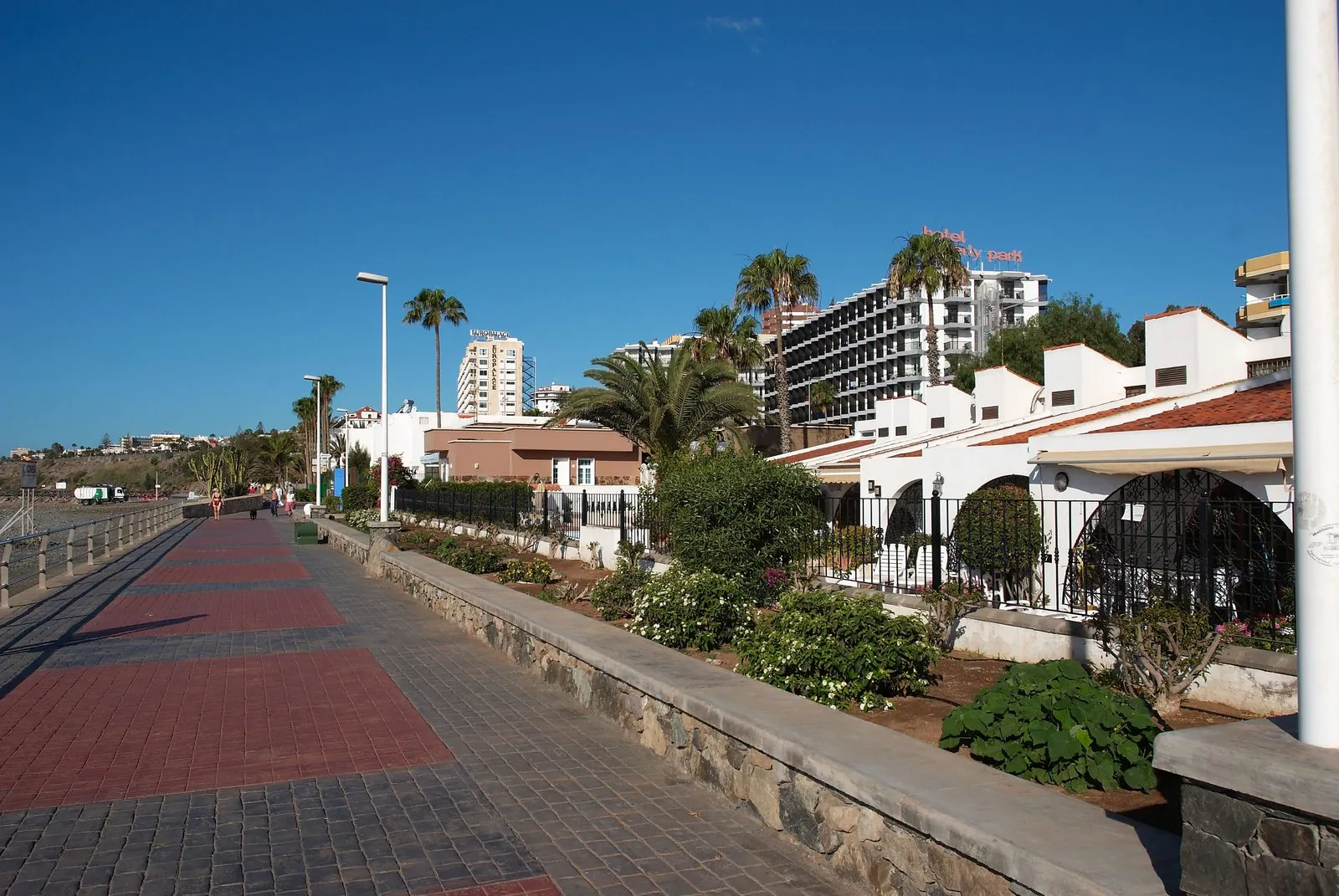
Self-catering apartments (apartamentos) are the budget traveller's friend here. The islands have a huge stock of them, often with a pool and a short walk to the beach, and they let you cook breakfast, keep drinks in the fridge and eat in when you fancy — which quietly saves a fortune over a fortnight. A studio or one-bed apartment frequently costs less than a hotel room and gives you far more flexibility. Look slightly back from the seafront and prices drop again for a two-minute-longer walk. Our where to stay guide breaks down the resorts and accommodation types in more detail.
Eating where the locals eat
Food is where savvy visitors save the most — and eat the best. The tourist strips charge tourist prices; walk a few streets inland and the same meal costs far less at a place full of Canarians.
- The menú del día — the set lunch menu is the single best deal in Spanish dining: two or three courses with bread and often a drink, at a fixed, modest price. It's aimed at local workers, so it's cheap, filling and served at lunchtime on weekdays.
- Markets (mercados) — municipal markets and weekly street markets are the place to stock a self-catering fridge with fruit, cheese, bread and fish at local prices, and to graze cheaply on the spot.
- Guachinches — these rustic, family-run eateries (a Tenerife tradition) serve home-cooked Canarian food and house wine at rock-bottom prices. They're informal, sometimes seasonal, and gloriously good value.
Stick to local staples — papas arrugadas with mojo, fresh fish, hearty stews — and you eat well for little. Our guide to eating out in the Canaries has the full lowdown on ordering like a local.
| Instead of… | Try… | Why it's cheaper |
|---|---|---|
| Seafront à la carte dinner | Inland menú del día at lunch | Fixed multi-course price, local rates |
| Hotel breakfast buffet | Market shop + apartment kitchen | Cook your own; no per-head markup |
| Resort-strip bar prices | Neighbourhood café or guachinche | Local pricing, house wine |
| Taxis everywhere | Public buses with a travel card | Fares are low; card adds discounts |
Free (and nearly free) things to do
Some of the very best of the Canaries costs nothing. The beaches are free and public — from the golden dunes of Maspalomas to the black sand of Playa Bollullo. So is the hiking, and the islands are laced with spectacular trails through laurel forest, volcanic badlands and mountain ridges. Add the countless miradores (viewpoints), old town centres to wander, and low-cost gems like the Jardín Botánico near Las Palmas. Not everything is free — big draws such as Timanfaya, the water parks and the zoos charge admission — but you can fill days with wonderful, no-cost experiences and pay only for the occasional headline attraction.
Balance the budget: plan free beach and hiking days around one or two paid "big ticket" outings, and buy attraction tickets online in advance where you can — it's often cheaper than at the gate.
Getting around without overspending
You don't need a car every day. Each island runs an extensive public bus network — called guaguas here — and fares are genuinely cheap. Better still, most islands sell a rechargeable travel card (on Gran Canaria and Tenerife it's the bono) that gives a useful discount per journey and saves fiddling with change. For occasional excursions, hiring a car for just the days you need it — and sharing the cost between a group — beats paying for a week you'll mostly spend on the beach. Compare the options in our guides to getting around and car hire, and for hopping between islands, working out the best routes and transfers in advance keeps costs predictable.
Avoiding resort-strip markups
The golden rule: the closer you are to the main tourist promenade, the more you pay for everything — drinks, sun-lounger hire, souvenirs, the lot. A short walk inland to where residents actually shop and eat can halve a bill. Buy water, snacks and sun cream from a supermarket rather than a beachfront kiosk, bring your own beach towel and shade, and be wary of "free" welcome meetings and heavily pushed excursions — see our note on timeshare before you sign anything. None of this means going without; it just means paying local prices for the same good time.
The low-tax bonus
One quiet advantage works in every visitor's favour: the Canaries have their own low sales tax, IGIC, with a general rate of just 7% in 2026 — far below mainland Spain's 21% IVA. That keeps the underlying price of meals, goods and many services lower than you might expect, and it's part of why the islands feel like decent value once you're spending locally. It's not a dramatic "duty-free" saving on everyday items, but every little helps across a trip.
Putting it together
Do the Canaries cheaply and you barely feel the compromise: travel in the shoulder seasons, book a self-catering apartment, eat the menú del día where the locals do, fill your days with free beaches and trails, ride the buses with a travel card, and keep clear of the seafront markups. For the fuller money picture — cash, cards, tipping and typical costs — read our costs and money guide next, then start plotting a bright island holiday that leaves change in your pocket.