Barlovento is a green, misty town on the wild northern tip of La Palma, where laurel forests, waterfalls and dramatic cliffs give way to one of the island's finest natural swimming spots at La Fajana. Its name means "windward", and that tells you everything: this is the lush, cloud-catching side of "La Isla Bonita", a world of deep ravines, terraced hillsides and Atlantic drama. For walkers, nature lovers and anyone chasing the real, unspoilt La Palma, Barlovento is a quietly magical base.
Set high above the sea in the far north of La Palma, Barlovento is far from the beaten track — and that's exactly its charm. Come for the forest walks, the sea pools and the sheer green beauty of the north.
What it's like
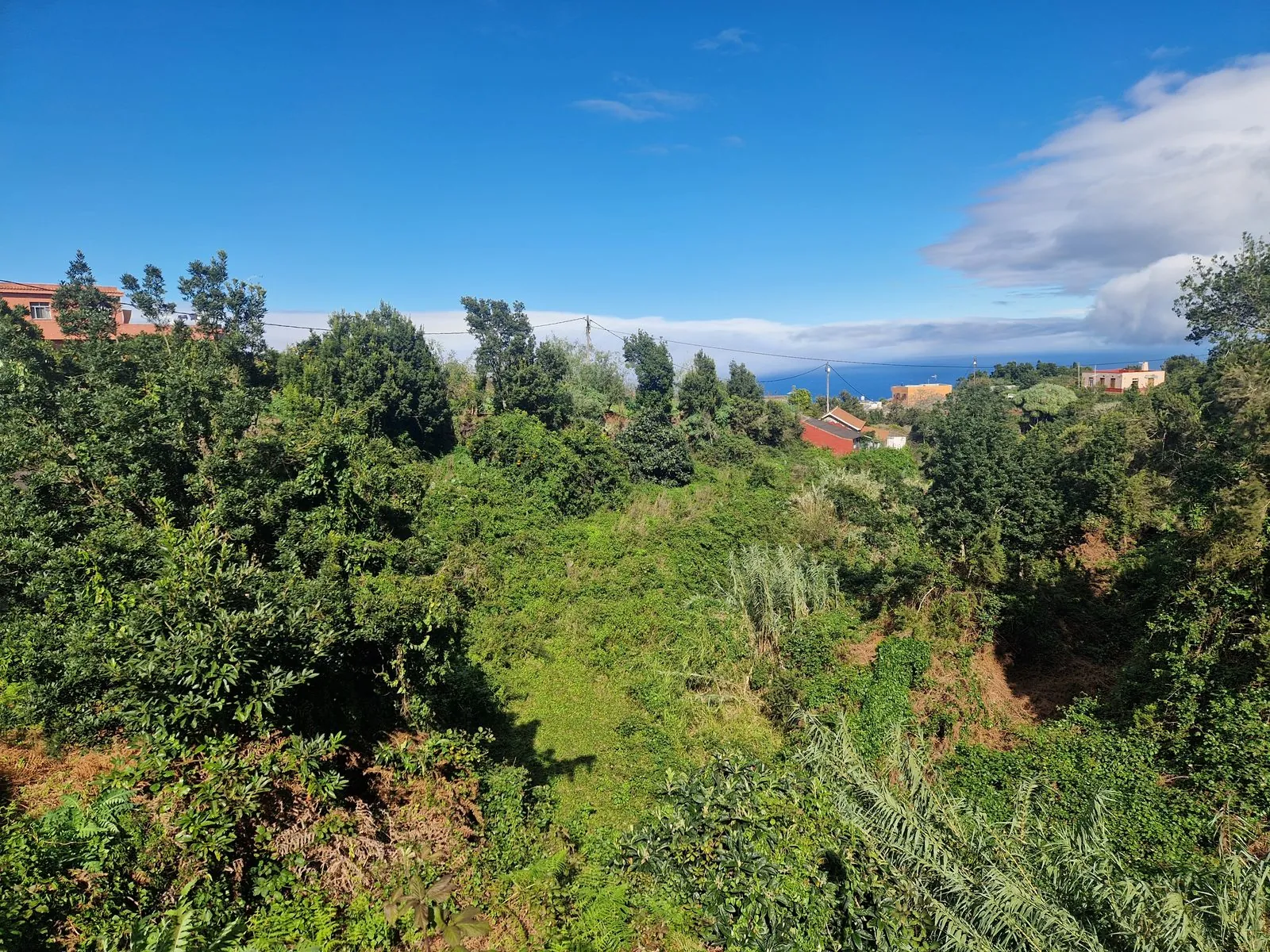
Barlovento is a scattered rural town of white houses spread across steep, cultivated slopes, with a modest centre, a church and the easy pace of highland life. Trade winds keep this corner damp and green, so mist often drifts through the hills and the landscape is startlingly lush — banana terraces, vineyards and forest all crowded onto the folds of the land. The views are enormous, sweeping down deep ravines to a rugged, cliff-bound coast.
This is a working farming town, not a resort. You'll find local bars and shops, a friendly welcome and very little tourism infrastructure — the appeal is the scenery, the tranquillity and the sense of being somewhere genuinely off the radar. It suits travellers happy to swap nightlife and crowds for nature and peace.
What to see and do
The star attraction is the coast at La Fajana, where a cluster of excellent natural swimming pools has been created from the volcanic rock at the foot of the cliffs. The Atlantic washes into sheltered, part-natural basins that give safe, exhilarating sea bathing when the open ocean is far too wild, with a little promenade and a couple of restaurants alongside — read our guide to the natural pools of La Palma. It's the essential outing from Barlovento.
Inland, the town is superb walking country. Trails thread through the forests and along the ravines, and Barlovento is a gateway to the famous Los Tilos laurel forest, a UNESCO-listed remnant of ancient laurisilva woodland with waterfalls and misty, fern-draped paths. There's also a large reservoir lake nearby and viewpoints out over the coast. Our guide to hiking in the Canary Islands puts the routes in context — bring layers and waterproofs, as the north is cooler and wetter than the south.
Check the sea and the tides before swimming at La Fajana: on days of big Atlantic swell the pools can be closed or unsafe. When the water's calm, they're one of the loveliest wild swims in the Canaries.
Where to stay and eat
Accommodation is small-scale and rural — casas rurales (country cottages), guesthouses and a few small hotels among the hills and terraces, perfect for walkers and nature lovers who want peace and a car. Our where to stay guide compares La Palma's bases.
Food is honest and local: hearty stews, grilled fish and meats, fine goat's cheese, island-grown fruit and vegetables and the essential papas arrugadas with mojo. This green north is also good wine and cheese country, and the seafront restaurants at La Fajana serve fresh fish beside the pools. Our Canarian food guide has more; evenings here are quiet, built around a good meal and the sound of the sea and wind.
Getting there and around
Barlovento is in the far north of La Palma, around 40–50 minutes' drive from the capital, Santa Cruz de La Palma, on scenic mountain roads. A hire car is essential for reaching the town, the sea pools and the forest trails — see our guides to car hire and getting around. Buses do serve the north, but infrequently, so a car is the only realistic way to explore freely.
Nearby
West along the misty north coast the road winds through the villages of San Andrés y Sauces, home to the Los Tilos laurel forest, while the great crater of the Caldera de Taburiente and the observatories on Roque de los Muchachos crown the island's interior to the west. Start with our La Palma hub to build a green, watery northern loop into your island trip.