Skip the fridge magnets and the fake designer sunglasses — the Canary Islands make some genuinely lovely things, from feather-fine lacework to hand-thrown pottery, tiny five-string guitars and dark, glossy palm syrup. The islands' low IGIC sales tax means many goods are a touch cheaper here than on the Spanish mainland, and buying local craft and food is the surest way to take home something with real island character. This guide covers what's worth buying, how to spot the real thing, and what to avoid.
Whether you want a special keepsake or just a suitcase of edible souvenirs, here's how to shop like someone in the know.
Craft and handmade goods
Lacework and embroidery (calados)
The islands are famous for calados — delicate openwork embroidery in which threads are drawn from the fabric to create intricate lattice patterns, used on tablecloths, napkins, runners and blouses. It's painstaking handwork, traditionally done by women in villages across the archipelago, and a fine piece is an heirloom. Genuine calado is not cheap and not quick to make, so treat very low prices with suspicion.
Pottery
Canarian pottery has a wonderfully ancient feel: many traditional potters still work without a wheel, hand-building unglazed earthenware in techniques that descend from the aboriginal Guanches. Look for rustic reddish-brown pots, bowls and the decorative pintadera stamps that echo pre-Hispanic designs. Craft villages and rural markets are the best hunting grounds.
Timples and musical instruments
The timple — the small, bright five-stringed island guitar — is one of the most distinctive souvenirs you can carry home, and a good one is a real instrument, not a toy. Buy from a local luthier or a proper music shop rather than a resort stall. Our guide to Canarian music and folklore explains the sound you'll be taking home.
Canarian knives (naïfes)
The traditional Canarian knife (naïfe or cuchillo canario) is a beautifully made working blade with an ornately decorated handle of horn, bone or inlaid metal, historically a shepherd's prized possession. The finest are hand-forged by island craftsmen and can be genuinely valuable.
A traditional knife is a lovely craft object but a real blade — pack it in your checked luggage, never hand baggage, and check the import rules for your home country before buying.
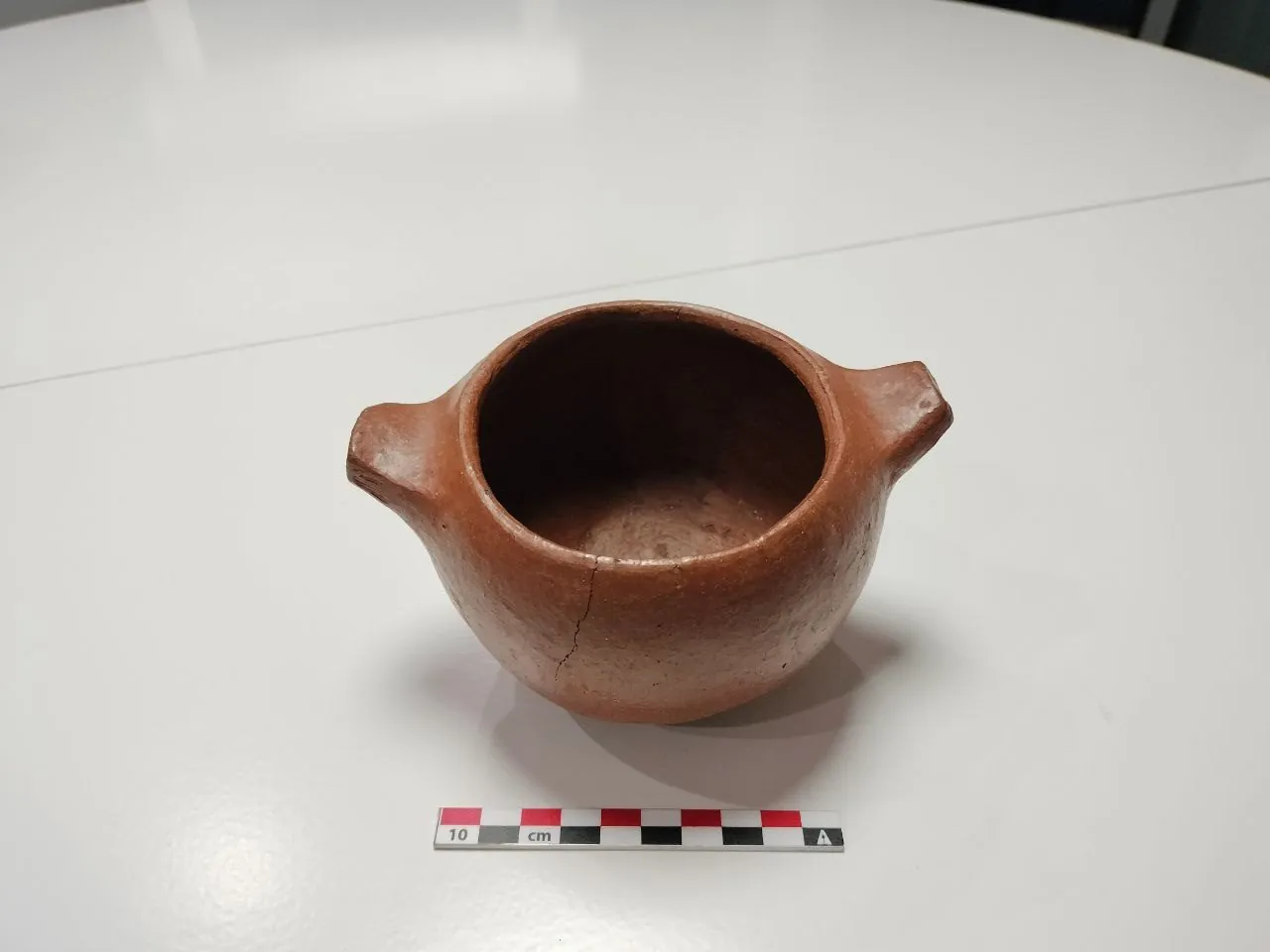
Photo: Avalmou · CC BY-SA 4.0 · Wikimedia Commons · converted
Food and drink to take home
Some of the best souvenirs are edible, and they're easy to find in markets, delis and even supermarkets:
- Palm honey (miel de palma). La Gomera's dark, smoky-sweet reduced palm sap — superb over cheese and desserts. Full story in our guide to miel de palma.
- Canarian cheese. The islands are serious cheese country, from fresh goat's cheese to smoked and semi-cured wheels — vacuum-packed for travel. See our Canary cheese guide.
- Mojo sauces. Jarred red (spicy) and green (herby) mojo, the classic dip for papas arrugadas, travels well and captures the island flavour instantly.
- Gofio. Toasted, ground grain — a true island staple you won't easily find at home.
- Aloe vera products. Canary aloe is prized for its quality; look for genuine, high-percentage island-grown gel and cosmetics rather than watered-down blends. More in aloe vera and Canarian produce.
- Wine and rum. Distinctive volcanic-soil Canary wine and local rum and honey-rum (ronmiel) make excellent, characterful gifts.
Buy edible souvenirs from a market or specialist deli rather than an airport shop where you can — the choice is better, the produce fresher, and you're supporting local makers. A municipal food market (mercado) is ideal for cheese, mojo, honey and wine under one roof.
The low IGIC tax — and duty-free realities
Because the Canaries sit outside the EU's VAT area, you pay the local IGIC sales tax (a general rate of 7% in 2026) instead of mainland Spain's 21% IVA. That makes many items — electronics, perfume, spirits, tobacco, cosmetics — noticeably cheaper than at home, which is why the islands have a long "duty-free" reputation. For the full picture on costs, see our guide to Canary Islands prices.
One catch worth knowing: because the islands are outside the EU customs and VAT territory, bringing goods back into the EU or the UK counts as an import, with the usual allowance limits on alcohol, tobacco and the total value of purchases. Stay within your allowance and keep receipts.
Where to shop
- Municipal markets (mercados). The best all-round choice for food, wine and some craft — fresh, local and good value.
- Craft villages and fairs. Places known for pottery, calados and instruments, plus regular artisan markets (mercadillos) in towns and resorts.
- Village shops and producers. Buying palm honey on La Gomera or cheese from a farm gets you the real thing at a fair price.
- Old-town streets in the cities. Las Palmas and La Laguna have specialist and gourmet shops beyond the resort strip.
What to avoid
Not everything on the souvenir shelf is worth your money:
- Mass-produced "local" trinkets. Cheap magnets, figurines and printed T-shirts are rarely made on the islands.
- Fake calado and imported "handmade" goods. Suspiciously cheap lacework or pottery may be machine-made or imported — buy from reputable makers and markets.
- Watered-down aloe and "palm syrup" blends. Check labels for a high aloe percentage and genuine island origin, and for real miel de palma rather than a blend.
- Counterfeit brand goods and dubious "duty-free" bargains. If a designer price looks too good to be true, it is.
A quick label check goes a long way: look for island origin, a producer's name, and for craft, evidence it was actually handmade locally. Honest sellers are happy to tell you where and how something was made.
Souvenirs worth the suitcase space
The best Canarian shopping isn't about ticking off a duty-free list — it's about bringing home a little of the islands' character. A bottle of palm honey, a wedge of smoked cheese, a jar of fiery mojo, a hand-thrown pot or a proper timple will remind you of the place far longer than anything from an airport concourse. Shop local, check your labels and your customs allowance, and you'll come home with the good stuff.