While northern Europe shivers, the Canaries hum with the whir of carbon wheels — this is where the pros come to train through winter, and where amateurs come to ride in shorts in January. A near-perfect climate, quiet mountain roads and one truly legendary climb have turned the islands into one of the world's great cycling destinations. Whether you dream of grinding up Mount Teide, spinning along a coastal loop, or bombing down volcanic trails on a mountain bike, there's an island and a route to suit. Here's how to plan two wheels in the Canaries — the best islands, the famous climbs, hiring a bike, and staying safe in the heat.
Why cyclists love the Canaries
The appeal is simple: you can ride hard, outdoors, all year. Winters are mild and dry, so December-to-March is peak season for training camps escaping the northern cold. The roads are generally well surfaced and, away from the resort strips, blissfully quiet. And the terrain is a gift for anyone who likes climbing — these are volcanic islands, so almost every ride goes up. Add a professional support scene of bike-friendly hotels, guided groups and hire fleets, and you have a ready-made cycling holiday. Pair it with our best time to visit guide to time your trip.
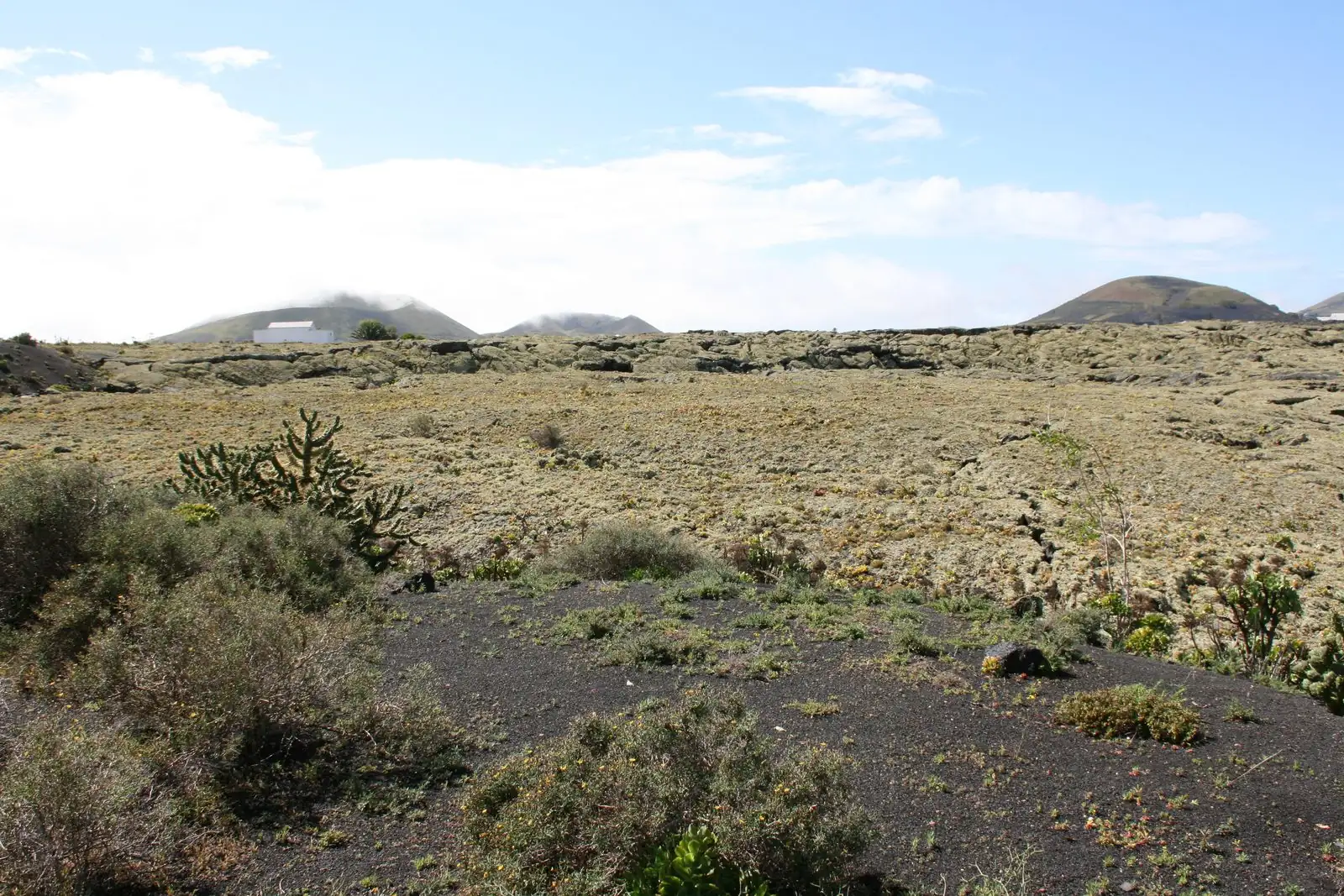
Photo: Frank Vincentz · CC BY-SA 3.0 · Wikimedia Commons · scaled
The Teide climb — the big one
No climb in the Canaries — arguably in Europe — has the mystique of Mount Teide on Tenerife. From sea level to the national park you can gain well over 2,000 metres in a single ride, making it one of the longest continuous ascents anywhere. Several routes climb the volcano — from the south via Vilaflor, from the north, or from the east — each a bucket-list day out that pro teams use to build endurance. It's a serious undertaking: long, exposed and cold at the top even when the coast is warm. Go early, carry layers for the descent, and don't underestimate the distance.
The summit road tops out well above 2,000 m, where the air is thin and temperatures drop sharply. Pack a windproof jacket and gloves in your jersey pocket even on a hot day — the descent is long and can be genuinely cold.
Best islands for road cycling
Tenerife
The road cyclist's headline island, thanks to Teide and a huge range of climbs and loops in the south and the Anaga hills. Base yourself around the southern resorts for the best access to training routes and bike-friendly hotels.
Gran Canaria
Gran Canaria rivals Tenerife for road riding, with a spectacular mountainous interior — climbs up to Roque Nublo and the crater village of Tejeda, plus coastal roads and the famous ascents inland from the southern resorts. Many riders rate it the most varied cycling island of all.
Lanzarote
Flatter and more exposed, Lanzarote is a long-standing triathlon and training hub — the constant wind is the real challenge here rather than gradient, making it superb for building strength. The volcanic scenery en route is unforgettable.
La Palma and the western islands
For the truly hardcore, La Palma offers brutal, beautiful climbs up towards the Roque de los Muchachos observatory — one of the biggest paved ascents in the world. Quiet roads, few tourists, serious rewards.
Mountain biking and gravel
The volcanic terrain is a playground for mountain bikers too. Old mule tracks, forest trails and volcanic descents crisscross the islands, and several offer lift-assisted or guided MTB days. Gran Canaria and Tenerife have the most developed trail networks and rental fleets, while the greener western islands reward those who like remote, technical riding through forest and mountain landscapes. As with hiking, respect protected national-park zones where cycling off-road may be restricted.
Hiring a bike
You don't need to bring your own. The main islands have well-stocked hire shops offering quality road bikes, e-bikes, gravel and mountain bikes, often with delivery to your hotel and support packages for groups. Book ahead in the busy winter training season, when demand from camps is high. E-bikes are a brilliant option if you fancy the scenery without the full suffering of a Teide-grade climb — they open the mountains up to riders of all levels.
Canary roads are shared with tour buses and hire cars, and mountain descents are long with sharp bends and occasional gusty crosswinds. Ride defensively, use lights, and be extra cautious on fast descents where speeds build quickly.
Heat, sun and hydration
The climate that makes riding possible year-round also demands respect. Even in "winter" the sun is strong at these latitudes, and there's little shade on exposed climbs. Start early to beat the midday heat, carry more water than you think you'll need (top up in villages), and slather on high-factor sun cream — cyclists get badly caught out by the reflected glare. Watch the wind on the eastern islands, and always tell someone your route on remote rides.
Training camps and events
The Canaries — Tenerife and Lanzarote especially — have a well-developed scene of winter training camps, coached groups and cycling-specific hotels with secure bike storage, workshops, early breakfasts and washing facilities. It's a big part of why pro teams and clubs decamp here from November to March. There's also a calendar of sportives, triathlons and Ironman-distance events, particularly on Lanzarote, which has hosted endurance racing for decades. If you like riding in company, joining an organised camp takes the logistics off your hands and plugs you into local route knowledge.
Combining cycling with the rest of your trip
Few people ride every day of a holiday, and the Canaries reward mixing it up. Slot in beach recovery days, a boat trip or some whale watching, and refuel on hearty Canarian food — the carb-friendly papas arrugadas practically qualify as cyclist fuel. Travelling with non-riding family? The big islands make that easy, with plenty for them to do while you tackle the climbs. The mild winter climate means you can ride in the morning and still get beach time in the afternoon.
Planning your cycling trip
Decide first whether you're after a big-climb pilgrimage (Tenerife or Gran Canaria), a wind-and-strength camp (Lanzarote), or remote adventure (La Palma). Pick a bike-friendly base, book your hire early, and build rest and beach days into the plan — the beaches are, after all, part of the deal. For timing, our best time to visit guide explains why the cooler winter months suit hard riding best, and the Gran Canaria and Tenerife hubs help you choose your training island.
Sea level to the roof of Spain in a single ride — the Canaries offer climbs you'll be telling stories about long after the tan has faded.