Almogrote is La Gomera's gift to the tapas table — a thick, punchy pâté of hard, aged cheese pounded with garlic, dried peppers, olive oil and a hint of chilli, spread thickly on warm bread and impossible to stop eating. Rich, salty and full of character, it's the star of the little island's food culture and one of those regional specialities that turns a simple meal into something you remember. Around it, each Canary Island has its own signature dishes — and getting to know them is one of the great pleasures of eating here.
From the cheese spreads of La Gomera to the hearty stews of the mountains, this is a tour of the specialities that make Canarian cooking so distinctive, island by island.
Almogrote: La Gomera's famous cheese spread
Almogrote (sometimes almogrote gomero) is a way of using up hard, well-aged Canarian cheese by turning it into a spreadable, intensely savoury paste. The traditional method is beautifully simple: crumble or grate a mature, firm cheese and pound it — originally in a mortar — with garlic, dried red peppers (the same pimienta that flavours mojo), a little chilli, olive oil and sometimes a splash of tomato, until it forms a thick, coarse, orange-red paste.
The result is bold and moreish: sharp, garlicky and warming, with a real kick. It's served at room temperature as a tapa, spread on fresh or toasted bread, and it pairs wonderfully with a glass of local wine or a drizzle of La Gomera's miel de palma palm honey for a sweet-savoury contrast. If you try one thing on La Gomera, make it almogrote.
Almogrote keeps well and travels — you'll find it in jars in island shops and markets, making it an easy, delicious souvenir. Spread it on bread as a starter, or stir a spoonful through hot pasta or potatoes for an instant flavour hit.
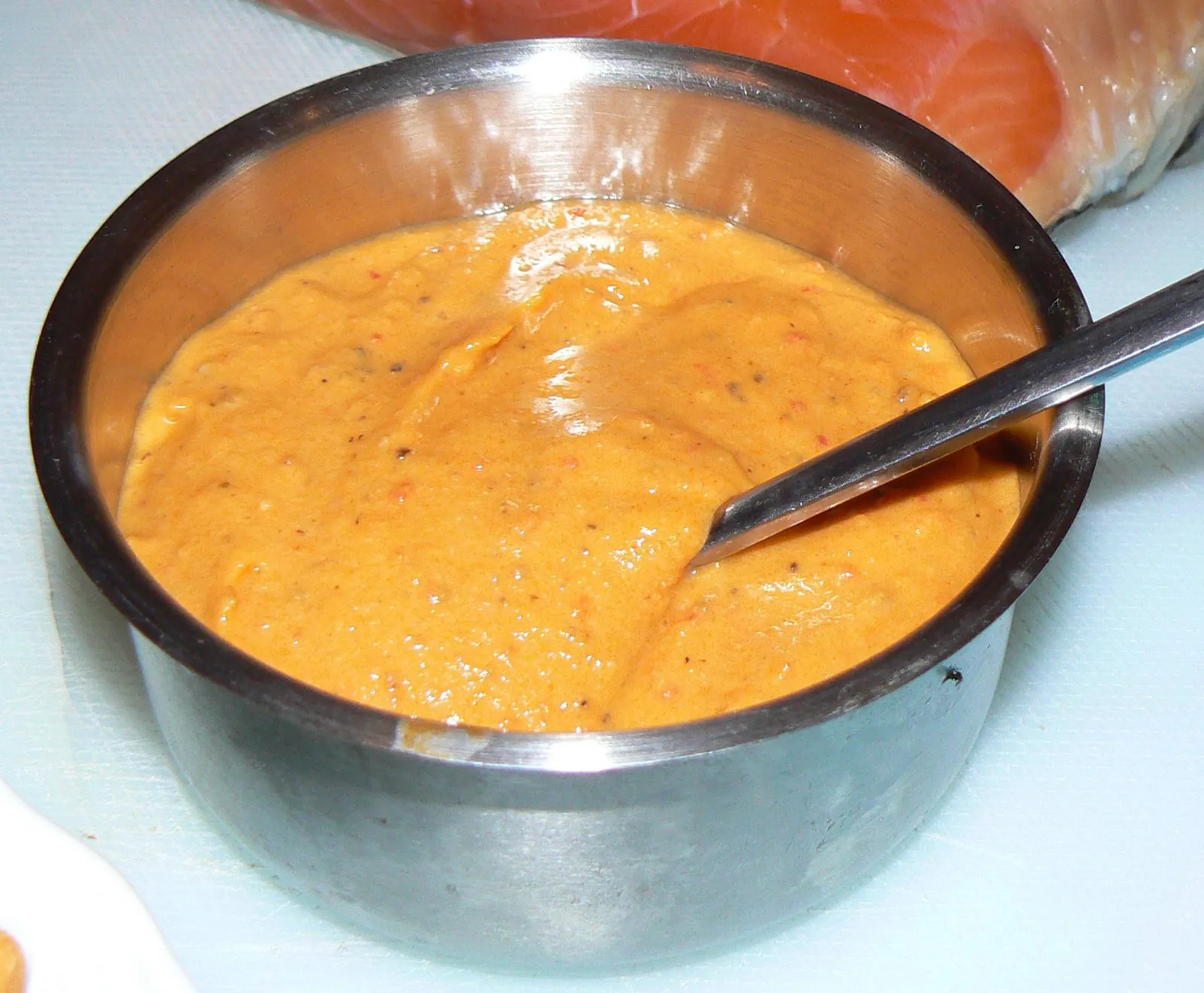
Photo: sao mai (Flickr) · CC BY-SA 2.0 · Wikimedia Commons · scaled
The great Canarian stews and everyday dishes
Beyond almogrote, the Canaries share a repertoire of hearty, home-style dishes found across the islands, each cook and village with its own version. The essentials to look for:
- Rancho canario — a thick, comforting one-pot of chickpeas, potatoes, thick noodles and meat, seasoned with saffron and spices. Warming winter food at its best, and a genuine island classic.
- Potaje — a broad family of vegetable and pulse stews, from potaje de berros (watercress soup with pork, corn and beans, a real Canarian staple) to bean and vegetable pots. Cheap, nourishing and everywhere.
- Ropa vieja — literally "old clothes", a satisfying stew of shredded meat (often beef and chicken) with chickpeas, potatoes and peppers, born from making the most of leftovers.
- Puchero canario — a generous boiled dinner of meat and many vegetables, the broth often served first as a soup.
- Sancocho — salted fish (usually cherne/wreckfish) with potatoes and sweet potato, served with gofio and mojo, traditional around Easter.
Alongside these, the island trinity turns up at almost every meal: wrinkly papas arrugadas with mojo, toasted gofio, and excellent local cheese.
Island by island
Half the fun is tracking down each island's own specialities. A quick guide:
| Island | Look out for |
|---|---|
| La Gomera | Almogrote cheese spread; miel de palma (palm honey); watercress potaje |
| Gran Canaria | Ropa vieja; queso de flor (flower-curdled cheese) from Guía; bienmesabe almond dessert |
| Tenerife | Puchero and rancho; conejo en salmorejo (marinated rabbit); wines from the guachinches |
| Lanzarote | Fresh fish and seafood; wines grown in volcanic ash; sancocho |
| Fuerteventura | Majorero goat's cheese (protected); fresh grilled fish; goat dishes |
| La Palma | Almond sweets and cakes; local cheese; fresh seafood on the coast |
| El Hierro | Smoked cheese (protected); island wine; quesadillas (sweet cheese pastries) |
Menus in family restaurants and guachinches are often in Spanish only and change with what's available — that's a good sign. If you're unsure, ask what's local or the "plato del día" (dish of the day); you'll usually be pointed to the real speciality.
Where to try them
The best place for these dishes isn't the resort strip but the family-run restaurants, village tascas and — on Tenerife especially — the guachinches, informal eateries where growers serve home cooking with their own wine. Markets and local festivals are another great hunting ground for regional specialities and homemade sweets. Order a plate of almogrote to start, a bowl of potaje or a share of rancho to follow, and you're eating the real Canary Islands. For the full picture, browse our guide to Canarian food.