Housed in a grand neoclassical former hospital in the centre of Santa Cruz de Tenerife, the Museo de la Naturaleza y Arqueología — everyone calls it MUNA — is Tenerife's great two-in-one museum, pairing the natural history of the islands with the world's finest collection of Guanche mummies. It's a genuinely fascinating stop, equal parts fossils and volcanoes downstairs, ancient islanders and their carefully preserved dead upstairs. If you're spending any time in the capital, or looking for a rewarding indoor day, this is one of the best cultural attractions in the Canaries.
Two museums under one roof
MUNA brings together two collections that between them tell the whole story of Tenerife — the land itself and the people who first lived on it. The natural-science side explores how the islands were born of fire, with displays on volcanoes, rocks and minerals, fossils, insects, marine life and the unusual plants and animals that evolved on these isolated Atlantic islands. The archaeology side is devoted to the Guanches, the aboriginal people who lived on Tenerife for centuries before the Spanish conquest. It's beautifully presented in a landmark building, and you can happily spend a couple of hours moving between the two worlds.
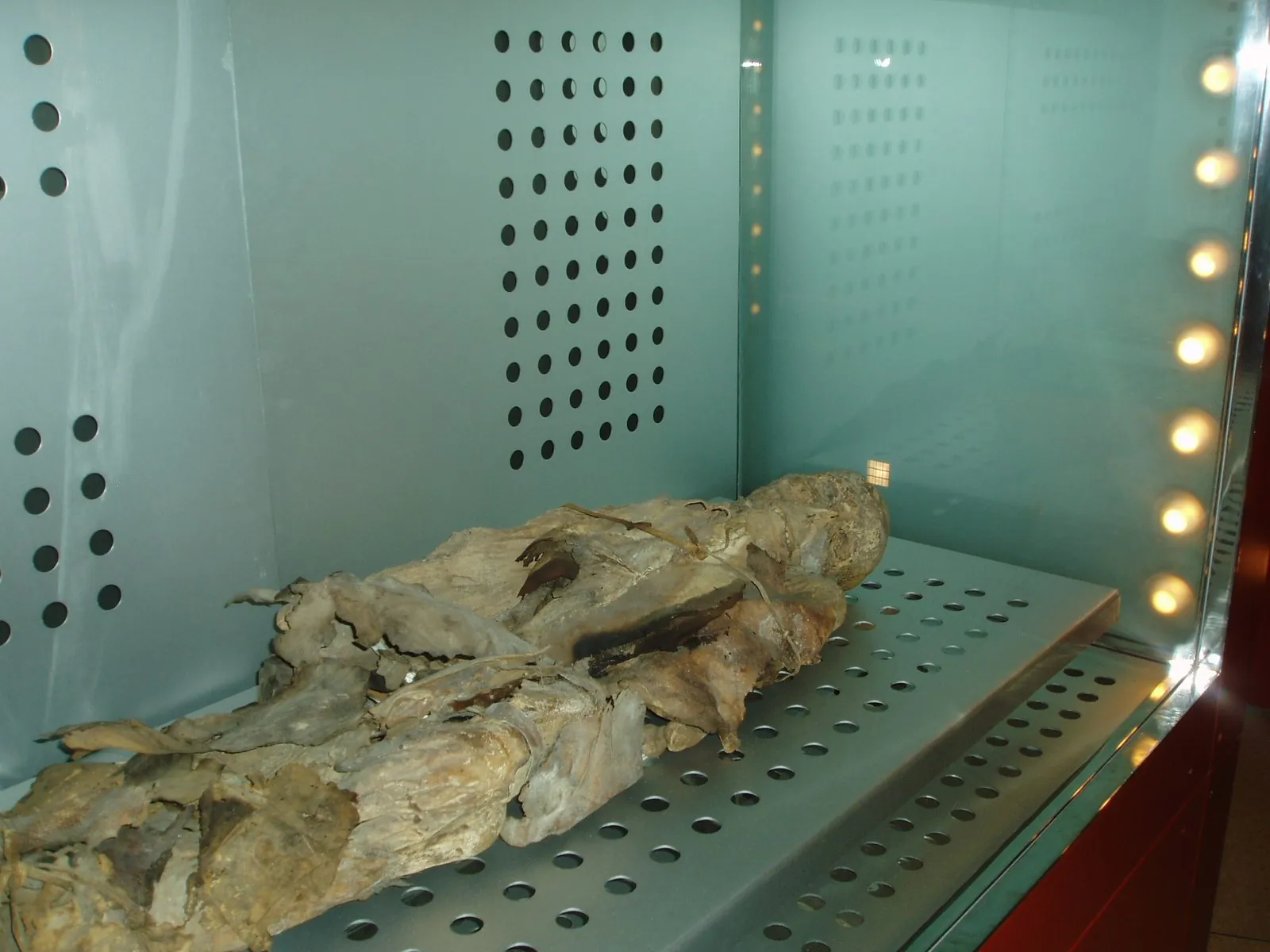
Photo: Cardenasg · CC BY 2.5 · Wikimedia Commons · scaled
The famous Guanche mummies
MUNA's international reputation rests above all on its archaeology halls, and specifically on its collection of Guanche mummies — regarded as the largest and most important in existence. The Guanches embalmed and wrapped their dead in animal hides, laying them to rest in caves, and the museum's mummies are displayed with real care and a great deal of scientific context. Seeing these ancient islanders, some remarkably well preserved after many centuries, is a powerful and slightly eerie experience that stays with you.
Around the mummies you'll find the wider Guanche story: pottery, tools of stone and bone, the enigmatic clay seals known as pintaderas, ornaments, and displays on how these people farmed, herded goats, ground grain into gofio and organised their society. Modern research on the remains has revealed a great deal about their diet, health and origins, and the panels do a good job of bringing that to life.
Get the background first. A quick read of our guides to the Guanches and the short history of the Canary Islands will make the mummies and artefacts far more meaningful — you'll understand who these people were and what became of them.
The natural-history side
Don't skip the science floors. The natural-history collection is a great primer on why the Tenerife landscape looks the way it does, from the volcanic peaks around Teide to the ancient laurel forests of Anaga. There are fossils, minerals and taxidermy alongside exhibits on the sea life of the surrounding Atlantic. It's especially good if you're planning to explore the island's dramatic scenery, or if you've been curious about the strange plants and lava fields you've seen out on the road.
A landmark building in the capital
The museum occupies the former Civil Hospital, a handsome neoclassical pile that is a sight in its own right, right in the heart of Santa Cruz de Tenerife. That makes it easy to combine with a day exploring the capital's squares, shops and the striking modern Auditorio on the waterfront. The university town of La Laguna, a UNESCO-listed old city, is just up the hill and pairs perfectly with MUNA for a culture-focused day away from the beach.
Combine with La Laguna. Santa Cruz and La Laguna sit side by side and are linked by tram. Do MUNA in the morning, then head up to wander La Laguna's colourful colonial streets in the afternoon — a great pairing for a cooler or cloudier day.
Planning your visit
MUNA opens most days with a modest admission charge, and there are usually reduced rates for children, students and seniors, plus free periods for some visitors. As with any museum, hours and prices can change, so it's worth a quick look at the official Museos de Tenerife site — museosdetenerife.org — before you go; as of 2026 tickets remain very reasonably priced. Allow around two hours to see both collections properly.
Why it's worth it
MUNA is the single best place to get to grips with Tenerife beyond the sunshine — how the island was formed and who first called it home. It's indoors, affordable and endlessly interesting, making it a smart choice for a rainy day or a break from the coast. Round out the picture with a visit to Guanche sites elsewhere, such as the Pirámides de Güímar, or the neighbouring El Museo Canario if your travels also take you to Gran Canaria. For more inspiration, see our full list of things to do.
The world's greatest collection of Guanche mummies, paired with the natural story of the islands — MUNA is Tenerife's most fascinating museum.