Tucked into the cobbled streets of Vegueta, the founding quarter of Las Palmas, El Museo Canario holds the single greatest window into the world of the Guanches — the aboriginal islanders who lived here for centuries before the Spanish conquest. Founded back in the 19th century, it is one of the oldest and most important museums in the Canaries, and its rooms of pottery, idols, tools, painted seals, skulls and mummies bring the ancient islands vividly to life. If you want to understand who was here before the tourists, the resorts and even the conquistadors, this is where you start.
A window on the ancient islanders
Long before Europeans arrived, the Canary Islands were home to the Guanches, a people of North African origin who lived a Stone-Age-style existence in caves and stone dwellings, herding goats and farming the fertile valleys. El Museo Canario gathers the richest surviving record of that lost world under one roof. Spread across roughly a dozen rooms, the permanent collection ranges over everyday life, craft, religion and burial, drawing on finds from right across the archipelago rather than just Gran Canaria. It is scholarly but very approachable, and the sheer age of what you are looking at — objects handled by people a thousand or more years ago — gives the place real weight.
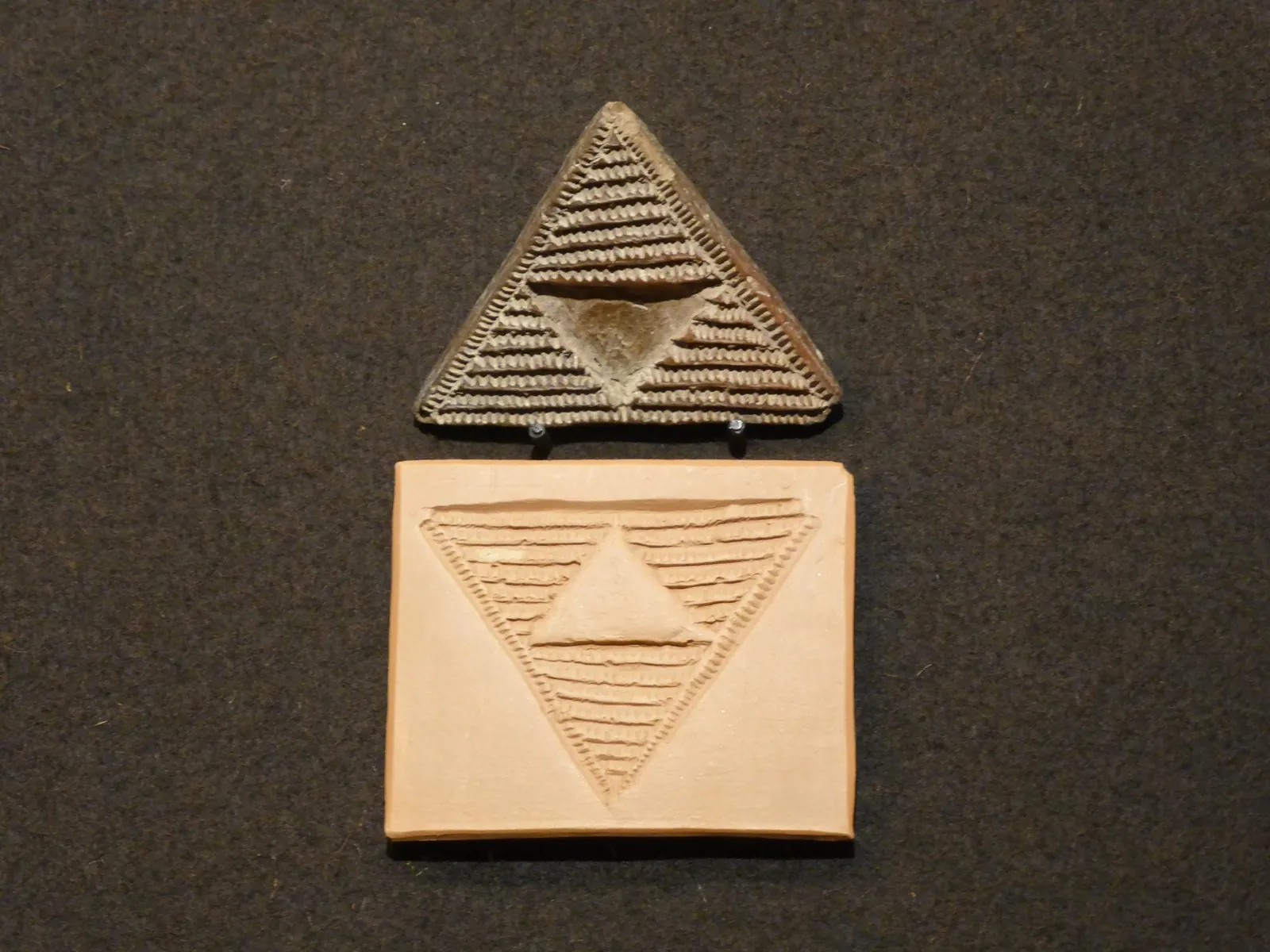
Photo: Carlos Teixidor Cadenas · CC BY-SA 4.0 · Wikimedia Commons · scaled
What you'll see inside
The exhibits are wonderfully varied. You'll find hand-built pottery, painted pintaderas (mysterious clay seals whose exact use is still debated), stone and bone tools, jewellery, and the little clay figures and idols that hint at Guanche beliefs. There are reconstructions of cave interiors and displays on how the islanders farmed, ground grain into gofio and buried their dead. For many visitors, though, the most unforgettable rooms are the ones dealing with the body itself.
The mummies and skulls
El Museo Canario is famous for its collection of Guanche mummies and its vast holding of skulls and skeletal remains — one of the largest anywhere. The Guanches practised a form of mummification, wrapping and preserving their dead, and seeing these ancient islanders face to face is a genuinely moving, slightly haunting experience. The displays are handled respectfully and with plenty of scientific context, explaining what modern study of the remains has revealed about how these people lived, ate and died.
Read up first. A quick look at our guide to the Guanches and our short history of the Canary Islands before you go will make everything on display click into place — you'll get far more from the visit knowing the broad story of conquest and survival behind the artefacts.
In the heart of historic Vegueta
Half the pleasure here is the setting. The museum sits in Vegueta, the atmospheric old town of Las Palmas, a warren of narrow lanes, balconied mansions and quiet plazas that is a joy to wander. The great cathedral of Santa Ana and its square are a couple of minutes away, and the neighbouring Casa de Colón — the handsome Columbus museum — is practically next door. The two make a natural pairing: the Casa de Colón for the age of Atlantic exploration, El Museo Canario for the islanders who were already here. Round it off with tapas in one of Vegueta's characterful bars and you have one of the best mornings in the city.
Planning your visit
The museum opens most days with a modest admission charge, and there are usually reduced rates and sometimes free periods for certain visitors. Because opening hours and prices can change, it's worth a quick check of the official site — elmuseocanario.com — before you set out; as of 2026 tickets remain inexpensive by any standard. Allow an hour or two to do it justice, longer if you like to read every panel.
Combine museums and old town. Vegueta packs several museums, the cathedral, tapas bars and a lively weekend market into a few walkable blocks. Pair El Museo Canario with the Casa de Colón and a wander around the quarter for a rewarding, low-cost day that balances the beaches elsewhere on the island.
Getting there
El Museo Canario is in central Las Palmas, in the north-east of Gran Canaria. If you're staying in the capital it's an easy walk; from the southern resorts it's a straightforward run up the motorway by car or on the frequent buses — see our tips on getting around the Canary Islands. Vegueta's streets are tight and largely pedestrian, so aim for one of the public car parks nearby and walk in.
Why it's worth your time
In a place best known for sunshine and sand, El Museo Canario is a reminder that these islands have a deep and fascinating human story. It's compact, affordable, indoors — a good rainy-day or too-hot-for-the-beach option — and it leaves you seeing the whole archipelago differently. Pair it with a visit to sites like Cenobio de Valerón elsewhere on Gran Canaria and you'll have a real feel for the world of the ancient islanders. For more ideas, browse our full list of things to do.
Face to face with the Guanches — El Museo Canario is where the ancient soul of the Canary Islands still lives.