Puerto de la Cruz is the Canaries' original resort — and still one of its most characterful. Set on the lush green north coast of Tenerife beneath the shadow of Mount Teide, this handsome old town was drawing sun-seekers long before the concrete resorts of the south existed. It's a place of black-sand beaches, subtropical gardens, a lovely historic centre and the famous seawater lido designed by César Manrique — atmospheric, Spanish and refreshingly real.
What it's like
Puerto de la Cruz grew from a fishing and trading port into Tenerife's first tourist town, and it wears that long history well. Behind the seafront there's a genuine old quarter of cobbled streets, a fishing harbour, plazas shaded by trees, colonial-era churches and grand old houses — a proper working town rather than a purpose-built strip. The mood is elegant, unhurried and distinctly Canarian, with a loyal following of returning visitors.
The big difference from the south is the setting and climate. The north of Tenerife is green, fertile and dramatic, with banana plantations climbing the hillsides and Teide looming behind. It's also cooler and cloudier — the trade winds pile up against the mountains here, so you'll see more cloud and the odd shower even in summer. That's the trade-off for all that lush scenery.
The upside is a town that feels lived-in and Spanish all year round, with a strong local population, year-round events and none of the seasonal shutdown that can hollow out purpose-built resorts out of season. It's a favourite with Spanish holidaymakers as well as international visitors, which tells you something about its enduring appeal.
Don't be put off by a cloudy morning — the north's low cloud often burns off by midday, and the greener landscape is precisely what makes this side of the island so beautiful. Pack a light layer for cooler evenings.
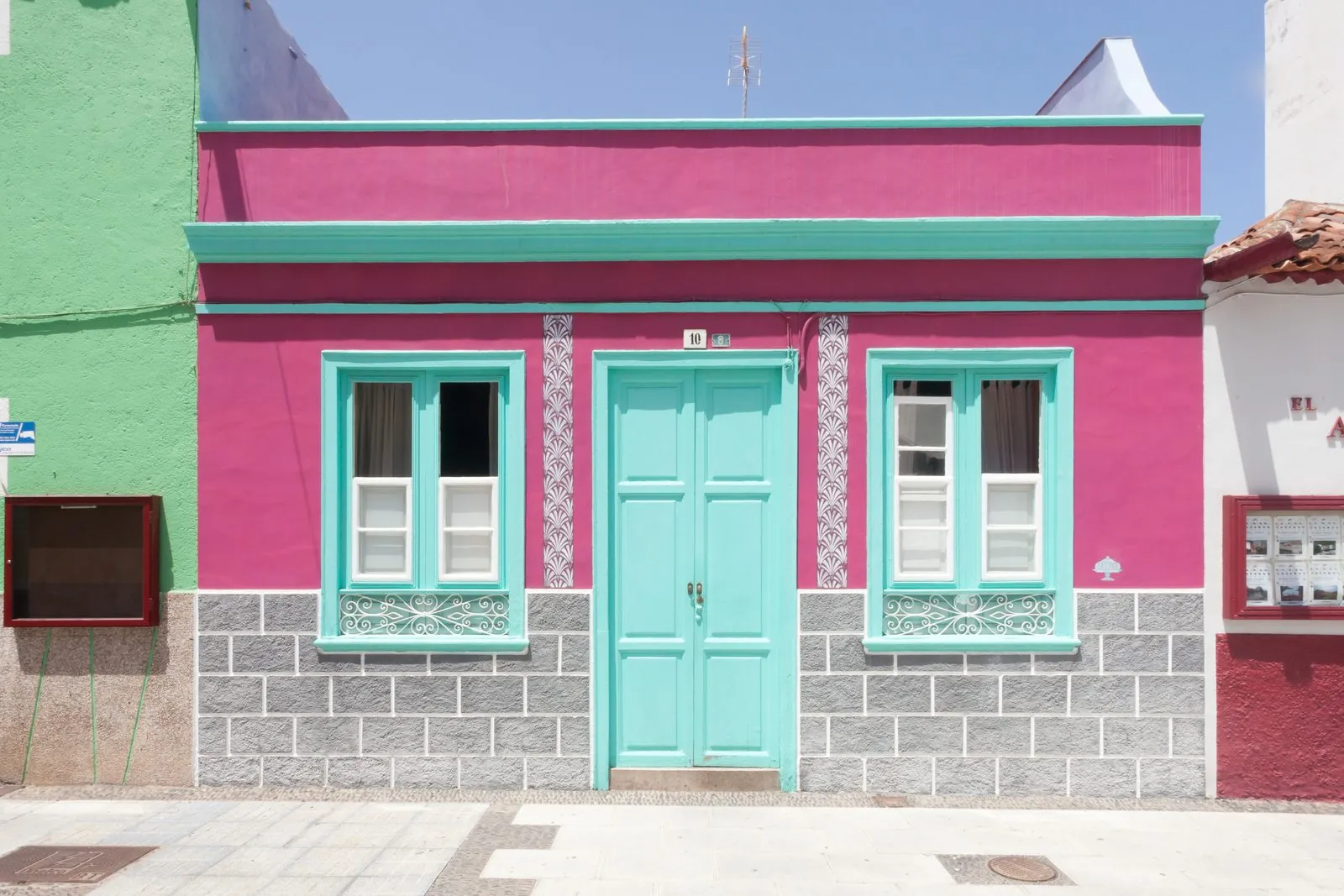
Photo: Luis Miguel Bugallo Sánchez (Lmbuga) · CC BY-SA 4.0 · Wikimedia Commons · scaled
Lago Martiánez and the beaches
Because the wild Atlantic surf and dark volcanic sand make swimming trickier here than in the south, the town's centrepiece is the Lago Martiánez — a spectacular complex of seawater pools, islands, fountains and terraces created by the Lanzarote artist and architect César Manrique. It's a masterclass in blending pools with volcanic rock and landscaping, and a lovely place to spend a sunny day.
For actual beach time, Playa Jardín is the star: a long stretch of black volcanic sand, framed by lush Manrique-influenced gardens, on the western edge of town. There are smaller beaches too, and pools and promenades all along the front. See more of the island's coast in our beaches section.
Loro Parque and things to do
Just outside town lies Loro Parque, one of the most famous animal parks in Europe and Tenerife's biggest single attraction — home to parrots, penguins, big cats and marine life in extensive landscaped grounds. It's an easy outing from the centre and a highlight for families.
Beyond that, the town itself rewards slow exploration: the Jardín Botánico with its centuries-old subtropical plant collection, the harbour, the old streets and squares, and the coastal walks. Puerto de la Cruz is also a superb base for the wild Anaga mountains and the drive up to Teide National Park. More ideas are in our things to do section.
Where to stay and who it suits
Accommodation ranges from grand old hotels with a whiff of the resort's golden age to modern aparthotels and characterful small hotels in the old town. It's generally good value, and the town's year-round life means it never feels dead out of season.
Puerto de la Cruz suits travellers who want atmosphere, culture and greenery over guaranteed beach weather and nightlife — couples, older visitors, walkers and returning regulars especially. Sun-worshippers set on wall-to-wall beach days may prefer the drier south around Costa Adeje. Our where to stay guide helps you choose your side of the island.
Eating and evenings
The north is a wonderful place to eat, with a strong local food culture and none of the south's chain-menu sprawl. Seek out the harbourside fish restaurants and the old-town tapas bars, and don't miss the region's speciality guachinches — informal, family-run eateries in the wine-growing hills serving home cooking and local Canary wine. Try papas arrugadas with mojo while you're at it. Evenings are gentle and Spanish — late dinners, plaza terraces and a relaxed bar or two rather than clubs.
Getting there and around
Puerto de la Cruz is closest to Tenerife North Airport (TFN), used heavily for inter-island flights, though many visitors still arrive via the larger Tenerife South Airport (TFS) and transfer across the island. The town centre is compact and walkable, and the island's bus (guagua) network connects it with La Laguna, the capital Santa Cruz and beyond. Our getting around guide covers the practicalities.
Nearby
The historic former capital La Laguna, a UNESCO World Heritage town, is an easy trip inland, as are the misty laurel forests of the Anaga peninsula. Above it all rises Mount Teide, and the wine-country hills of the Orotava Valley spread out just behind the town. Use our Tenerife hub to plan the rest of your trip.