Packing for the Canaries is mostly a matter of light clothes, strong sun cream and good shoes — but the details are where trips go right or wrong. These are subtropical islands, so warm days are almost guaranteed, yet a common mistake is to pack for the beach and nothing else. The evenings can turn cool, the green north is often a few degrees fresher than the sunny south, and if you head up towards the mountains it can be genuinely cold. Get the layers right and you can do everything from a lazy beach day to a volcano hike without a second thought. Here's what actually earns its place in the case.
Clothes: light, but bring a layer
For most of your holiday you'll live in summer clothes — shorts, T-shirts, sundresses, swimwear and sandals. The coastal resorts are warm by day virtually year-round. The mistake is assuming it's warm everywhere, all the time. Pack a few smart-casual outfits too, as resort restaurants and city dinners in Las Palmas or Puerto de la Cruz are a notch dressier than the beach.
Always pack at least one warm layer — a fleece or light jumper. Evenings cool down, the greener north can be cloudy and fresh, and if you go up Mount Teide or into the highlands it can be genuinely cold, even freezing in winter, while the coast basks. People shivering in shorts at the Teide cable car are a daily sight.
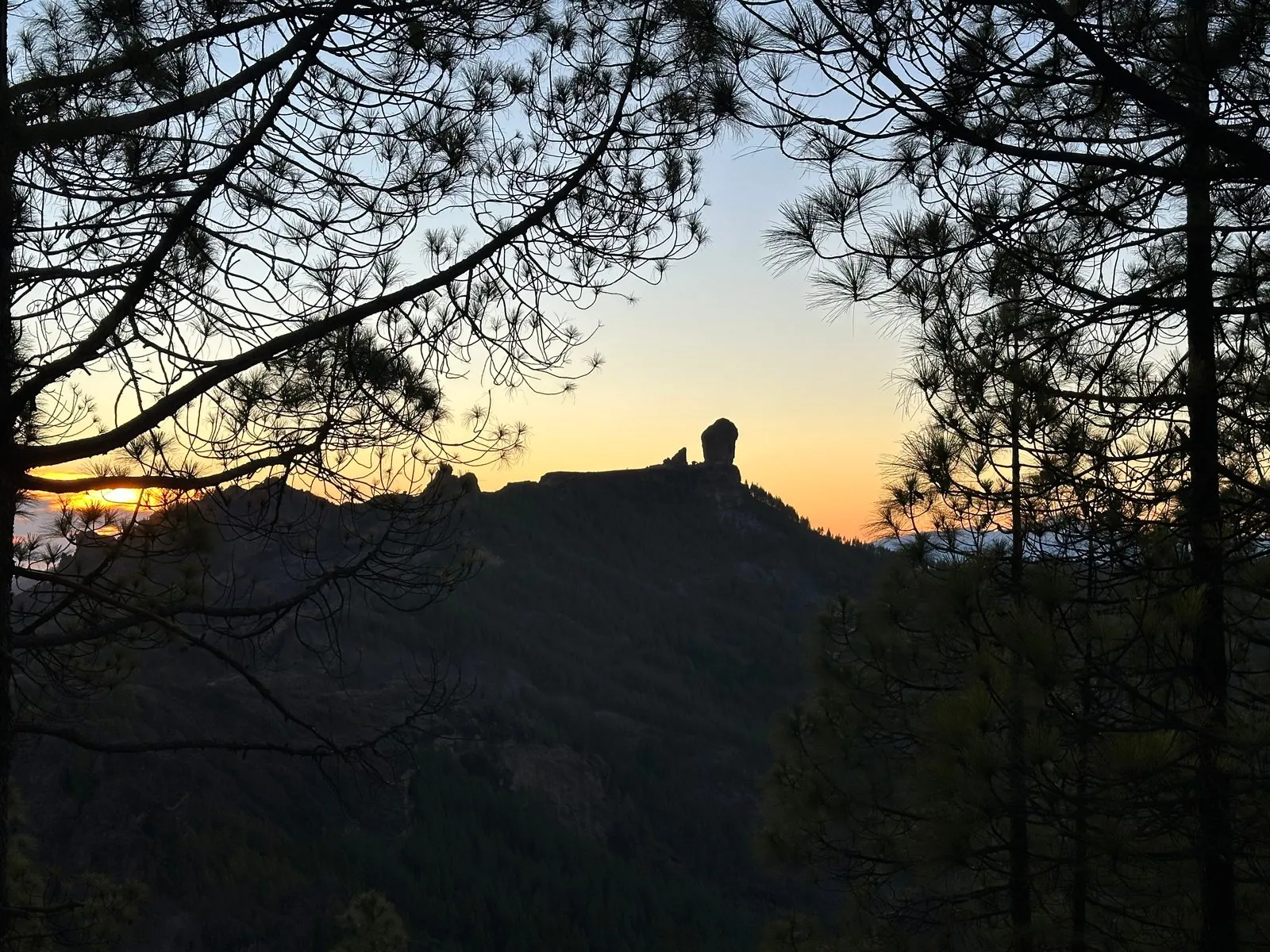
Photo: Rvr · CC BY-SA 4.0 · Wikimedia Commons · scaled
Sun protection you can rely on
Because the islands sit at a subtropical latitude, the UV here is stronger than the sea breeze makes it feel, so this is not the place to skimp. Bring a high-factor, water-resistant sun cream — reef-safe formulas are kinder to the marine life you'll be snorkelling among — plus a wide-brimmed hat, good sunglasses and a lip balm with SPF. Buying sun cream on the islands is easy but not always cheap, so it's worth packing enough to start with. Our health and safety guide explains just how quickly you can burn here, even on a hazy day.
Choose a reef-safe (oxybenzone-free) sun cream. It protects you just as well and is far gentler on the fish and reefs around the islands' clearer bays.
Shoes for volcanic ground
The Canaries are volcanic, and their best walks cross rough lava, loose grit and sharp rock that flip-flops simply can't handle. If you plan any hiking — the laurel forests of Anaga and Garajonay, the ridges of Roque Nublo, or the trails on La Palma — bring proper walking shoes or light hiking boots with grippy soles. Even if you're not a serious walker, a comfortable pair of trainers beats sandals for exploring old towns with cobbled, uneven streets. Pack the flip-flops too, of course, for the beach and pool.
Beach and water kit
Two swimsuits are better than one — there's nothing worse than pulling on a cold, damp costume. Add a quick-dry travel towel, a snorkel and mask if you love the underwater world, and water shoes if you're heading to any of the pebbly or rocky beaches, which are common here alongside the golden sand. A dry bag keeps phones and cameras safe on boat trips and at splashy beaches. See our beaches guide to work out which spots are sandy and calm and which are rockier or wilder.
Plugs, power and gadgets
Spain — and therefore the Canaries — uses the European two-round-pin plug (types C and F) at 230V, 50Hz. UK, Irish and US visitors need a travel adapter; bring at least one, and a multi-USB adapter is handy for charging several devices at once. Modern phone and laptop chargers handle 230V automatically, but check any older or high-wattage appliances (hairdryers, straighteners) before plugging them in. A power bank is worth having for long days out hiking or island-hopping.
| Item | Detail |
|---|---|
| Plug type | European type C / F (two round pins) |
| Voltage | 230V, 50Hz |
| You'll need | A travel adapter (UK/Irish/US visitors); ideally a multi-USB one |
A light rain layer for the green north
The Canaries are warm and dry overall, but the northern coasts catch the moist trade winds and can turn cloudy or drizzly, especially in winter. You won't need heavy waterproofs, but a packable rain jacket or light windproof is smart if you're basing yourself in the north — around Puerto de la Cruz, the Anaga hills, or on the lusher western islands — or planning to walk in the highlands, where cloud can roll in fast. It doubles as your evening layer.
Season by season
The islands' climate is famously steady, so the packing list barely changes across the year — the tweaks are small but worth making. Pair this with our best time to visit guide when you're choosing your dates.
- Winter (Dec–Mar): Still shorts weather on the south coasts by day, but evenings are cooler and the north wetter — pack an extra warm layer, a rain jacket and long trousers for dinner. Don't drop the sun cream; winter UV is still significant.
- Spring (Apr–May): Warm, settled and green — ideal for walking. Light clothes plus a layer, and good shoes for the trails.
- Summer (Jun–Sep): Hot and dry; lean into beach kit, extra sun protection and light, breathable fabrics. A thin layer is still handy for breezy evenings and air-conditioned interiors.
- Autumn (Oct–Nov): The sea is at its warmest and the weather lovely; pack much as for summer, with a light jacket as the odd northern shower returns.
The easy-to-forget list
A few small things save real hassle: a reusable water bottle (the tap water is generally drinkable — see health and safety), any regular medicines in their original packaging, a copy of your travel insurance and EHIC/GHIC details, aftersun for the inevitable pink shoulders, and a small daypack for excursions. Bring your driving licence if you plan to explore by car, and check our getting around guide before you go. Pack light, layer smart, and you'll be ready for beach, town and mountain alike.