Are the Canary Islands worth visiting? For most people, honestly, yes — reliable sun all year, genuinely varied landscapes, superb beaches and low prices make them one of Europe's best-value warm-weather destinations. But they're not perfect for everyone, and they carry an unfair reputation based on a handful of overbuilt resorts. The truth is more interesting: the Canaries reward anyone who chooses the right island and looks slightly beyond the package-holiday strip. Here's an honest look at the pros, the cons, who they suit and how to avoid the naff bits.
The case for: what makes them worth it
Start with the weather. The Canaries are subtropical, warm and dry every month of the year — the closest thing Europe has to guaranteed sun, and the reason they fill up when the mainland turns cold. Then there's the sheer variety across eight islands: Spain's highest peak at Mount Teide, the volcanic moonscapes of Timanfaya, ancient laurel forests, desert dunes and some of Europe's darkest skies for stargazing. The beaches range from golden dunes to dramatic black sand; the food is distinctive and cheap; and everyday costs are kept down by the low IGIC sales tax. Add short-ish flights, English widely spoken and easy EU familiarity, and you have a destination that's hard to fault on value.
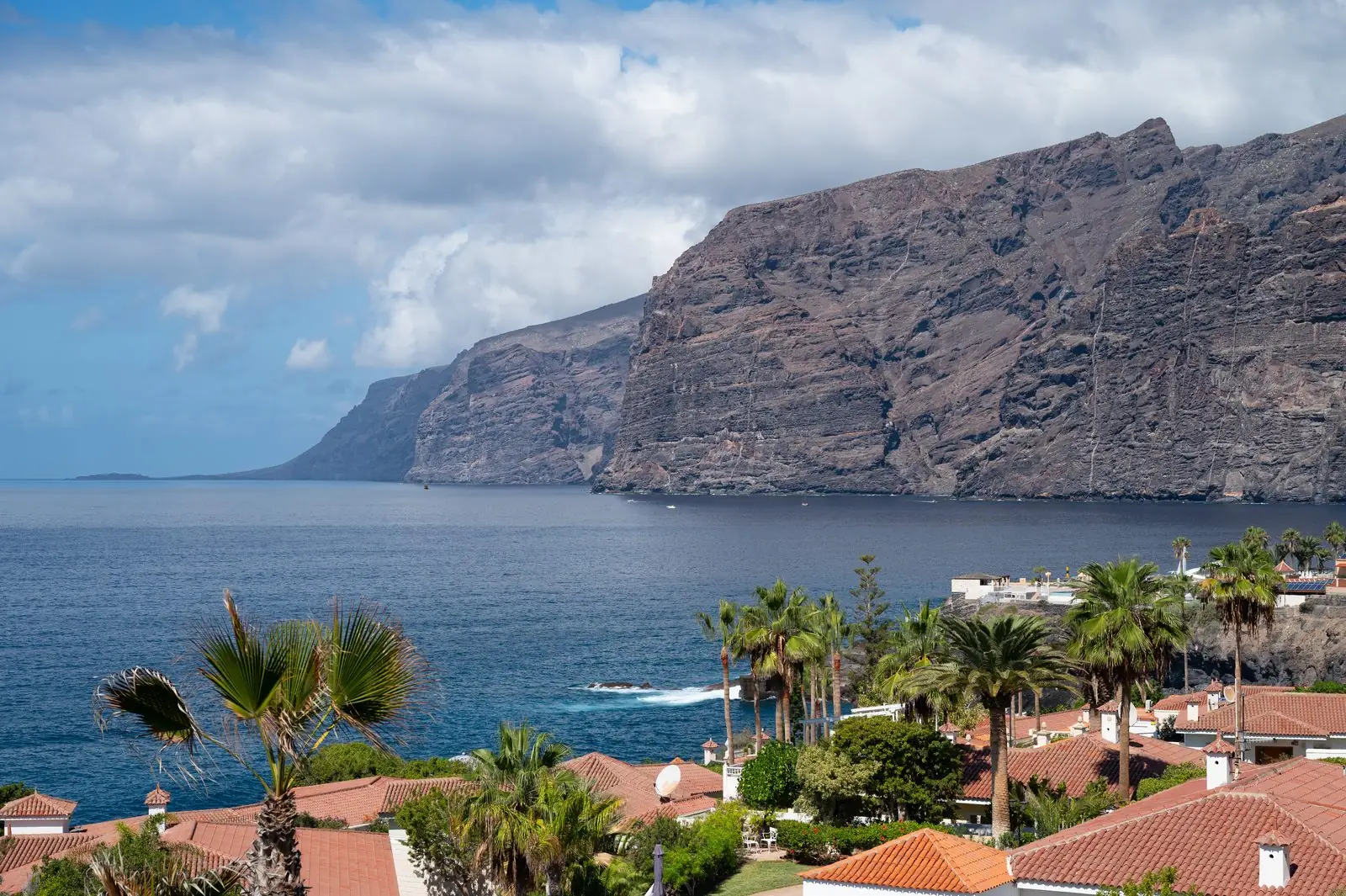
Photo: Tuxyso · CC BY-SA 4.0 · Wikimedia Commons · scaled
The case against: the honest criticisms
The Canaries aren't flawless, and it's fair to name the drawbacks. Some resorts — the ones that give the islands their dated reputation — are overbuilt, brash and interchangeable, all English breakfasts and neon. The Atlantic is cooler and breezier than the Mediterranean, so the sea can feel bracing and some beaches get windy. The northern coasts of the greener islands are cloudier than the sunny south, which surprises first-timers who picked the wrong side. And the biggest islands' main resorts can feel busy and package-y in peak season. None of these are dealbreakers — but they're real, and worth planning around.
| Pros | Cons |
|---|---|
| Reliable warm sun all year | Some resorts overbuilt and dated |
| Huge landscape variety | Atlantic sea cooler and breezier |
| Excellent, varied beaches | Green north can be cloudy |
| Low prices (low IGIC tax) | Big resorts busy in peak season |
| Easy access, English spoken | Longer flight than the Med |
Who the Canaries suit
They suit a remarkably wide range of travellers — which is exactly why they're worth visiting for most people:
- Sun-seekers chasing warmth outside summer, when nowhere else in Europe delivers so reliably.
- Families, with world-class water parks, zoos and calm resort beaches.
- Walkers and nature-lovers, for volcanoes, forests and superb hiking.
- Beach purists, especially on Fuerteventura and Lanzarote.
- Couples and quiet-seekers, who head for the green western islands or the calmer resorts.
Who might be less sold? Those who specifically want warm, calm Mediterranean bathing, culture-first city breaks, or the shortest possible flight — for them, mainland Spain or the Balearics may fit better.
How to avoid the naff bits
Almost every complaint about the Canaries comes down to picking the wrong island or the wrong resort — both easily avoided. A few rules of thumb:
- Choose the right island. Lanzarote for tasteful low-rise design, Fuerteventura for wild beaches, the western islands for green quiet, Tenerife and Gran Canaria for variety. Our which island should you choose guide matches islands to holidays.
- Choose the right side. The sunny south is drier; the green north is cloudier but lusher. Match the coast to your priorities.
- Skip the neon strips. For every brash resort there's a quieter, prettier neighbour — swap the party promenade for a marina village like Puerto de Mogán.
- Hire a car for a day or two. The real Canaries — mountain villages, hidden coves, national parks — start where the resort ends.
The single best move to "get" the Canaries is to rent a car and drive inland or up the coast for a day. The dunes, volcanoes and laurel forests are the real islands; the resort strip is just the front door.
Beyond the beach
If you worry the islands are all sunbeds and sangria, the antidote is their natural richness. The Canaries are volcanic islands with unique ecosystems — endemic plants, dragon trees, and remarkable wildlife found nowhere else. The laurel forests of La Gomera and La Palma feel prehistoric; Teide's summit is another planet; the night skies rank among the world's clearest. Engage with any of that and the "just a package destination" myth falls apart fast.
The verdict
Yes, the Canaries are worth visiting — genuinely so, for the sun, the variety, the beaches and the value — provided you go in with open eyes and choose well. Pick the island that matches your holiday, pick the right coast, look a little beyond the resort strip, and they consistently over-deliver. Go expecting one island to be all things at once, or land in the wrong resort by accident, and you'll see why the lazy criticisms exist. Start by exploring the island hubs — Tenerife, Gran Canaria, Lanzarote and the rest — and choose the one that fits you.
The Canaries are worth it for almost everyone — the trick is choosing the right island and looking just past the resort strip, where the real islands begin.