Gran Canaria and Tenerife are the cheapest Canary Islands for most British and Irish holidaymakers — the sheer volume of flights, package deals and hotel competition keeps prices down, with Lanzarote and Fuerteventura a step up and the three western islands pricier to reach but very affordable once you're there. That said, the single biggest factor in what you pay isn't which island you pick, but which resort and which month — a smart choice of postcode and dates will save you far more than island-hopping ever could. Here's how the costs really break down.
What actually drives the price of a Canaries holiday
Your total spend comes down to three things: getting there, where you stay, and what you do on the ground. The Canaries are a low-tax region — the local IGIC sales tax is far lower than mainland Spanish VAT — so food, drink and everyday spending are cheap across all eight islands. That means the biggest differences between islands come from flights and hotel supply, not the price of a coffee. Our Canary Islands prices guide has the detailed breakdown; this page is about which island stretches your money furthest.
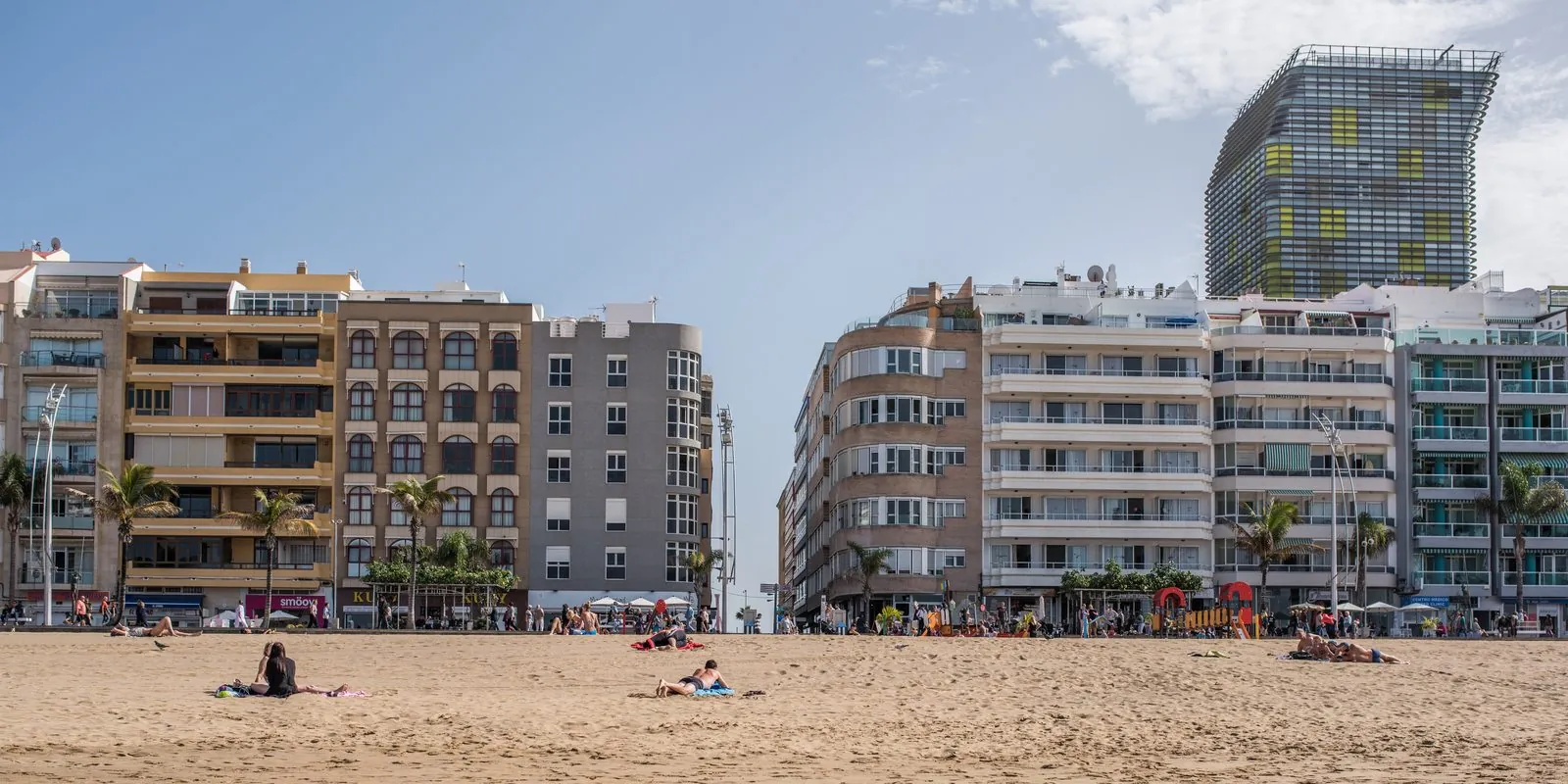
Photo: Bengt Nyman · CC BY 2.0 · Wikimedia Commons · scaled
The islands ranked by value
Here's the broad picture for a typical British or Irish holidaymaker booking a week or fortnight.
| Island | Flights & packages | On the ground | Overall value |
|---|---|---|---|
| Gran Canaria | Cheapest — huge choice, fierce competition | Cheap; great public transport | Top value overall |
| Tenerife | Cheapest — the most flights of all | Cheap; wide budget-hotel range | Top value overall |
| Lanzarote | Moderate — good deal availability | Cheap | Good value |
| Fuerteventura | Moderate | Cheap | Good value |
| La Palma / La Gomera / El Hierro | Pricier & fiddlier to reach (often via a hub) | Very cheap — few tourist mark-ups | Cheap on the ground, dearer to get to |
Why Gran Canaria and Tenerife win on price
It's simple economics. Tenerife and Gran Canaria are the two biggest islands with the busiest airports, so airlines and tour operators run enormous numbers of flights and package holidays to them from across the UK and Ireland. That competition, plus a vast supply of hotels and self-catering apartments at every level, pushes prices down and gives you the widest choice of bargains. They also have the best public transport, so you can skip a hire car and still get around cheaply — a real saving over the islands where a car is closer to essential.
Lanzarote and Fuerteventura: the affordable middle
The eastern islands sit a rung up. Lanzarote and Fuerteventura are still very well served by UK flights and package deals — you'll find plenty of good-value weeks — but the sheer scale of the Tenerife and Gran Canaria market means the biggest bargains tend to appear there first. Once you've landed, everyday costs are just as low. A hire car is more useful on these islands, so factor that in; see car hire in the Canaries for what to budget.
The western isles: dear to reach, cheap to enjoy
La Palma, La Gomera and El Hierro flip the equation. They have far fewer direct flights from the UK, so getting there usually means connecting through Tenerife or Gran Canaria by inter-island ferry or a short hop, which adds cost and time. But because they see so few package tourists, prices on the ground — food, local guesthouses, car hire — are often the lowest of all. They suit independent travellers happy to trade a little extra travel faff for genuine value and peace.
Postcode matters more than island
Here's the point most people miss: where you stay within an island moves the price far more than the island itself. A flashy beachfront resort in Costa Adeje and a modest apartment inland can be on the same island and hundreds of pounds apart. Self-catering nearly always beats a hotel for a family, all-inclusive can be a bargain if you'd otherwise eat out three times a day, and going a street or two back from the seafront cuts rents sharply. Our guides to all-inclusive holidays and renting a villa or apartment help you pick the right model.
The cheapest way to do any island
Whichever island you choose, a few habits keep costs right down:
- Travel outside the school holidays and the Christmas–New Year peak — prices swing hugely by date.
- Self-cater and shop at local supermarkets; the low IGIC tax makes groceries cheap.
- Eat where locals eat — a plate of papas arrugadas with mojo or a menú del día costs a fraction of the tourist-strip prices.
- Use public buses on Tenerife and Gran Canaria instead of a hire car.
Our Canaries on a budget and costs and money guides go deeper on stretching every euro.
When you go matters as much as where
Even the cheapest island turns expensive at the wrong time of year. Prices peak sharply over the UK and Irish school holidays — February half-term, Easter, the summer weeks and above all the Christmas–New Year fortnight, when winter-sun demand is at its height. Book into the quieter shoulder weeks and the same apartment on the same island can cost a fraction as much. The Canaries are warm all year, so there's little weather penalty for choosing a cheaper date; our best time to visit guide shows the trade-offs month by month, and flexibility on dates is the single biggest lever you have on the total bill.
The bottom line: which is the cheapest Canary Island?
Gran Canaria and Tenerife are the cheapest for most UK and Irish holidaymakers, thanks to unbeatable flight and hotel competition and excellent public transport; Lanzarote and Fuerteventura are close behind; and the western isles cost more to reach but very little once you arrive. But remember — your choice of resort, dates and whether you self-cater will make a far bigger difference to the bill than which island you fly to. Still weighing it up? Our which Canary Island should you choose guide balances price against everything else.