July is high summer in the Canaries — hot, sunny and buzzing. The south coasts turn up the heat, the beaches fill with European families on their summer holidays, and the resorts hum with life from morning to late night. The saving grace is the trade winds, which blow steadily through the peak of summer and keep the islands far more comfortable than their Saharan latitude suggests. It's the classic beach-holiday month: lively, warm and reliably sunny.
July at a glance
| Typical July | |
|---|---|
| Daytime high (south coasts) | Around 27–29 °C |
| Overnight low | Around 20–21 °C |
| Sea temperature | Around 22 °C (warm) |
| Rainfall | Effectively nil on the coasts |
| Crowds & prices | Busy and high — peak season |
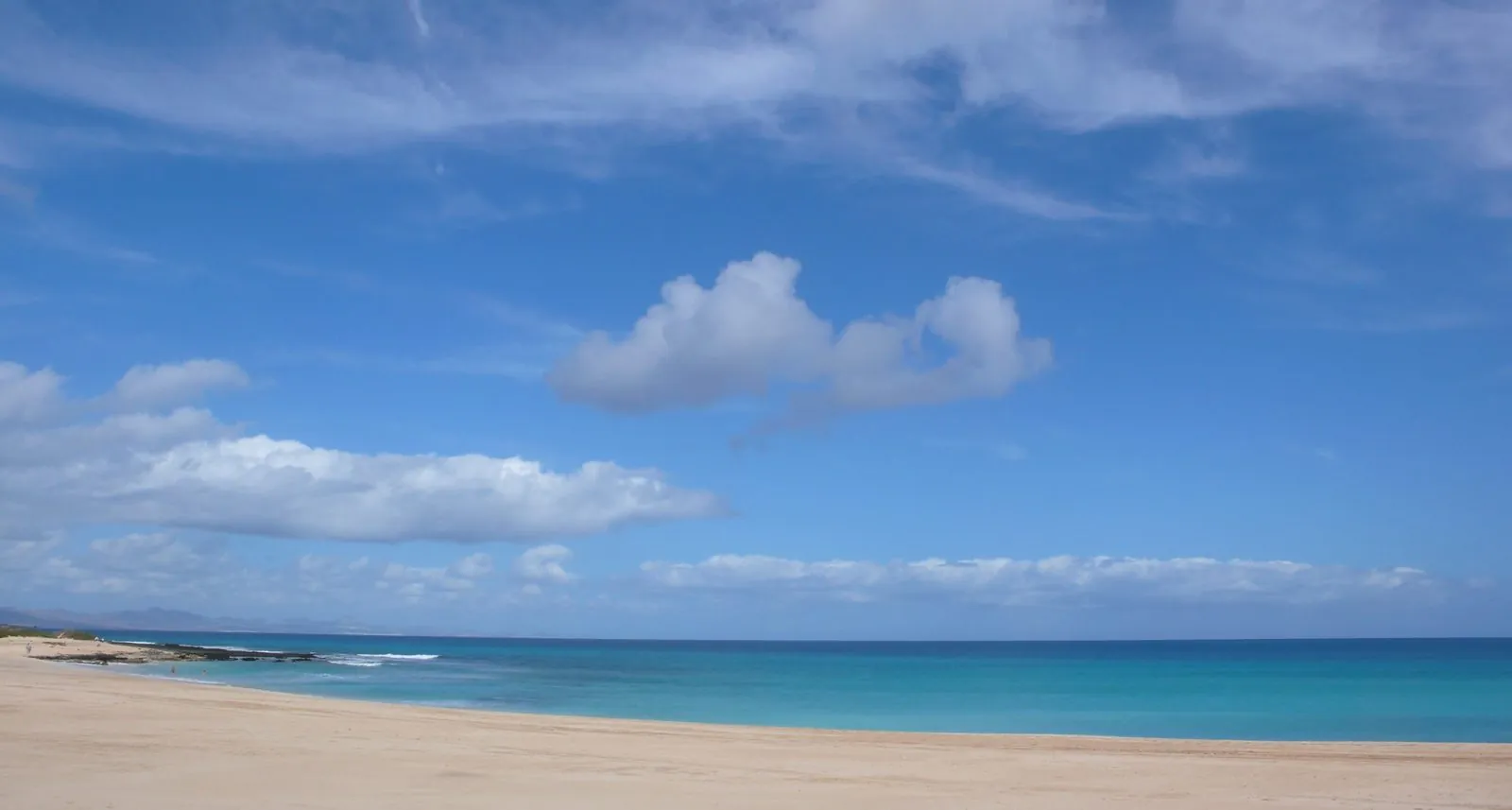
The weather: hot south, breezy and sometimes cloudy north
July is hot and dry, but the trade winds are a genuine blessing — they blow most strongly in high summer, cooling the coast and making the heat feel manageable. The south coasts of Gran Canaria and Tenerife are gloriously sunny; the north is a bit of a lottery, as those same winds can pile up cloud — Gran Canaria's panza de burro grey can settle over Las Palmas for days. The upshot: for guaranteed July sun, stay south. It's also worth knowing the wind can whip up sand on exposed beaches like Fuerteventura's, so check our weather guide for the coast-by-coast picture.
The sea & swimming
The Atlantic is warm and inviting now, ideal for swimming and every watersport going. The steady wind makes July prime time for windsurfing and kitesurfing — the world's best flock to Sotavento for exactly this. For calm swimming, choose sheltered south-facing bays such as Puerto Rico, Playa del Duque or Playa Blanca, which sit out of the strongest breeze.
The summer sun is strong this far south. Use high-factor sunscreen, seek shade in the middle of the day, drink plenty of water, and save serious hiking for early morning or the cooler high ground. See our health and safety notes.
What's on
Summer is fiesta season, and July is full of local celebrations. The biggest is around 16 July, the feast of the Virgen del Carmen, patron of sailors and fishermen — coastal towns hold colourful maritime processions, carrying the Virgin's image out to sea on decorated boats. Puerto de la Cruz, Los Cristianos, Puerto del Carmen and many fishing villages mark the day with music, food and fireworks. It's a lovely, authentic glimpse of island tradition amid the summer crowds; our festivals guide has more on the fiesta calendar.
Crowds & prices
July is peak season, and it shows. European schools are out, the resorts are busy, and accommodation and flights are at their most expensive alongside August. Popular beaches and water parks get busy, and it pays to book restaurants, car hire and excursions ahead. If you're travelling on a budget or want space, this isn't the ideal month — but if you want guaranteed sun during the school holidays and a lively atmosphere, it delivers.
Best islands & things to do
For classic summer beach holidays, the big resort islands lead: Gran Canaria and Tenerife pack beaches, nightlife and attractions like Siam Park and Loro Parque. Windsurfers and beach-lovers gravitate to Fuerteventura and Lanzarote. To escape the heat and crowds, head up: the cooler high ground of Teide, the forests of Anaga, or the green islands of La Palma and La Gomera feel worlds away. Long, warm nights make July great for nightlife in Playa del Inglés and Playa de las Américas.
Who July suits
July suits families tied to the school holidays, beach-and-nightlife holidaymakers who want the resorts at full tilt, and watersport fans chasing the strong summer winds. It's less suited to those seeking peace, low prices or cool-weather walking. If your dates are flexible, the shoulder months either side are calmer and cheaper — compare them in the best time to visit guide, or read on to August, the year's hottest, busiest month.