The calima is a hot, hazy easterly wind that carries fine Saharan dust across the Canary Islands, pushing temperatures up sharply and dropping a dusty, milky haze over the sky that cuts visibility. It blows in from the nearby African desert, can strike at any time of year but is most frequent in winter and spring (with episodes in summer too), and usually lasts a few days rather than weeks. It's a nuisance rather than a danger for most visitors, but if you have asthma or sensitive eyes it pays to take a few simple precautions.
What actually is a calima?
"Calima" is the Spanish word for the dusty haze itself. It happens when the wind swings round to the east or south-east and blows straight off the Sahara, only a short hop away across the water. That desert air arrives hot and dry and loaded with fine suspended dust and sand, which hangs in the atmosphere and turns the usually crisp Canarian sky a pale, hazy yellow-grey. It's the same phenomenon that occasionally reaches as far as the UK as "Saharan dust", only far more concentrated this close to the source. If you've ever wondered why African weather reaches these islands so readily, our page on whether the Canaries are in Spain or Africa explains just how near the continent they sit.
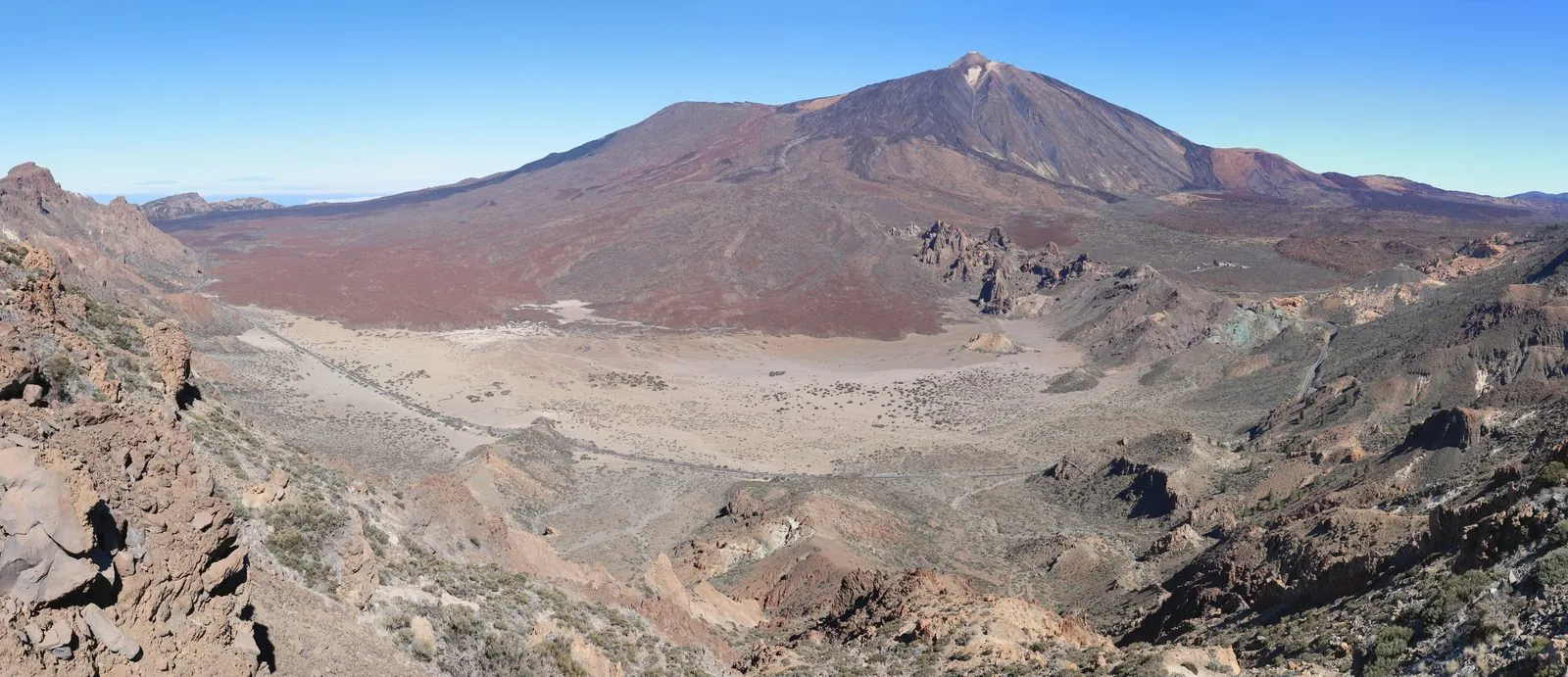
Photo: Ingo Mehling · CC BY-SA 4.0 · Wikimedia Commons · scaled
What it feels like
A calima has a very distinctive feel:
- A sudden jump in temperature — a calima can push the mercury up by several degrees in a day, turning a pleasant week uncomfortably hot.
- Hazy, reduced visibility — the horizon disappears into a milky murk, and on the worst days you can't see neighbouring islands or the mountains inland.
- Dry air and fine dust — a gritty film settles on cars, balconies and sunloungers, and the light takes on an eerie orange cast.
- Stillness or a warm easterly breeze rather than the usual cooling trade winds.
Because the calima replaces the normal north-easterly trade winds that keep the islands comfortable, it's the loss of that natural air-conditioning that makes the heat feel so intense. For how it fits into the wider climate, see our Canary Islands weather guide.
When does it happen?
Calimas can occur at any time of year, but they're most frequent in winter and spring, with bouts in summer too. They're unpredictable — you can't plan a holiday around avoiding one — but they're also usually short-lived, typically clearing after a few days when the wind swings back to the north-east and the fresh Atlantic air returns. A calima lasting a couple of weeks would be very unusual.
A calima isn't a reason to cancel a trip or fret over the forecast. Most visitors either never experience one or catch a brief, mild episode. It's simply one of the Canaries' natural quirks, worth knowing about so it doesn't take you by surprise.
What to do during a calima
The sensible response is much like a very hot, dusty day anywhere. If a calima settles in:
- Stay indoors during the worst of it, especially in the fierce midday hours, and make the most of air-conditioned spaces.
- Close windows and balcony doors to keep the fine dust out of your room.
- Keep hydrated — the air is bone-dry as well as hot, so drink more water than usual.
- Carry eye drops if you're prone to dry or irritated eyes; the dust can make them scratchy, and contact-lens wearers often prefer glasses on the dustiest days.
- Rinse the dust off after being outdoors, and don't be surprised to find a fine layer on everything.
If you have asthma or a respiratory condition
This is the one group who should take a calima a little more seriously. The fine airborne dust can irritate the airways and trigger symptoms in people with asthma or other respiratory conditions. If that's you:
- Keep your reliever inhaler with you and take your regular medication as prescribed.
- Limit strenuous outdoor activity while the haze is thick — save that mountain hike for a clearer day.
- Spend more time indoors with the windows shut, and consider a lightweight face covering if you must be out in heavy dust.
If you or a family member has significant respiratory problems, pack more than enough medication and know where the nearest pharmacy is. A calima is manageable, but it's not the moment to run short of an inhaler. Our health and safety guide covers the wider essentials.
Does the calima affect flights?
Only rarely. In the great majority of calimas, planes come and go as normal. In an exceptionally severe episode, when visibility at an airport drops very low, flights can occasionally be delayed or diverted — but this is uncommon and usually short-lived. If it ever does affect your journey, remember that weather-related disruption typically counts as an "extraordinary circumstance", which shapes what you can claim; we cover that in our guide to flight delays and compensation.
The bottom line
The calima is a hot, hazy, dust-laden wind blowing off the Sahara that spikes the temperature, veils the sky and coats everything in fine sand. It's most common in winter and spring, usually lasts days rather than weeks, and is more of a nuisance than a hazard for most people — stay indoors in the worst of it, close the windows, drink plenty and use eye drops. Only asthma sufferers need to take real care, and flight disruption is rare. Know what it is and a calima becomes just another of the islands' curiosities rather than a holiday spoiler.