Yes — you should always take out travel insurance for the Canary Islands, even though the islands are part of Spain and even if you carry a UK GHIC (or older EHIC) card. The GHIC gets you state healthcare on the same terms as a Spanish resident, but it does not cover the things that turn a bad day into a five-figure bill: repatriation home, treatment in a private clinic, cancellation, cut-short trips or lost baggage. Insurance fills those gaps, and it's cheap for a European beach holiday.
What does the GHIC actually cover?
The UK Global Health Insurance Card (GHIC), which has replaced the old EHIC for most people, entitles you to state-provided healthcare in Spain at the same cost a local pays — often free or heavily subsidised. According to the NHS, it covers medically necessary treatment that can't wait until you get home, including care for pre-existing conditions and routine maternity care. It's free to apply for through the official NHS website (nhs.uk) — ignore the copycat sites that charge a fee for what the NHS provides at no cost — and it's well worth having.
But — and it's a big but — the NHS is equally clear that a GHIC is not a substitute for travel insurance. It only works in the state system, so if you're seen at one of the many private clinics that dot the resorts, it won't help. And it does nothing at all for the costs that most often blindside travellers.
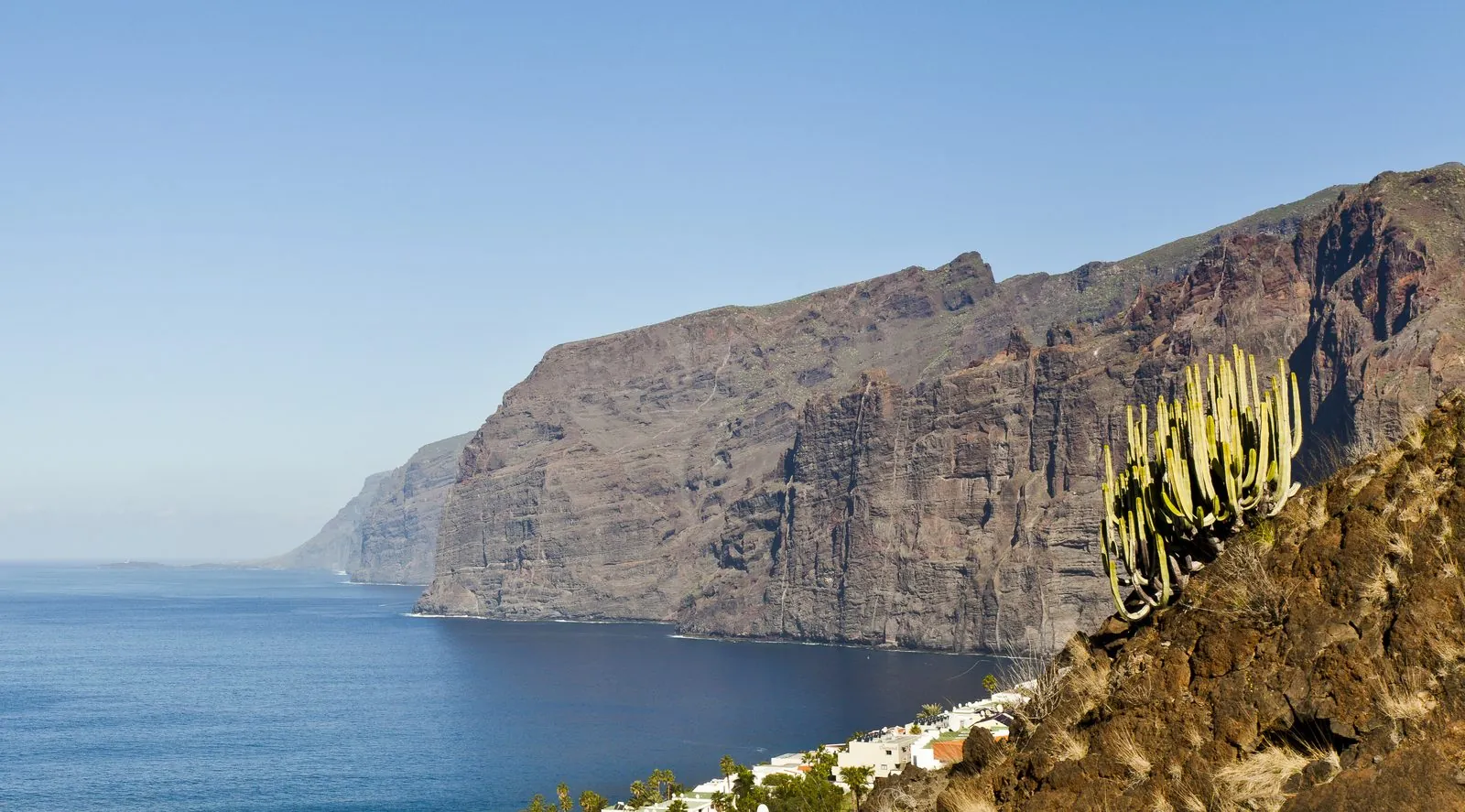
Photo: Diego Delso · CC BY-SA 3.0 · Wikimedia Commons · scaled
What the GHIC does NOT cover (and insurance does)
- Repatriation — flying you home with medical escort if you're too ill to travel normally. This alone can run to tens of thousands of pounds and is never covered by the GHIC.
- Private treatment — many resort clinics are private; a GHIC gives you nothing there.
- Cancellation and cutting your trip short — if illness, bereavement or a family emergency means you can't travel, or you have to fly home early.
- Lost, stolen or delayed baggage and stolen cash or documents.
- Missed departures and some flight disruption beyond what the airline owes you.
- Personal liability if you accidentally injure someone or damage property.
An air ambulance from the Canaries back to the UK is one of the most expensive things that can happen on a holiday. It's the single clearest reason never to travel on a GHIC alone.
Ireland and the EHIC
If you're travelling from Ireland, your equivalent is the European Health Insurance Card (EHIC) issued by the HSE, which works the same way inside Spain's state system. The same logic applies: it's a useful backstop for state care, not a replacement for a proper travel insurance policy.
What to look for in a policy
For a Canaries trip you don't need anything exotic — a standard European or worldwide-excluding-USA policy is fine. Check that it includes:
- Emergency medical cover and repatriation in the millions, not the thousands.
- Cancellation and curtailment that comfortably covers what your holiday cost.
- Baggage and personal money cover, with single-item limits high enough for your phone or camera.
- A 24-hour emergency assistance line you can call from abroad.
- A reasonable excess — the amount you pay towards any claim.
Annual multi-trip cover often works out cheaper than single-trip if you take more than a couple of holidays a year, and the Canaries' year-round appeal means a lot of British visitors come back more than once — see our guide to winter sun in the Canary Islands if you're tempted by a second escape.
Declare your activities and conditions
This is where cheap policies catch people out. Insurers will happily refuse a claim if you were doing something the policy didn't cover, so read the activities list and declare anything adventurous. On a Canaries holiday that commonly means:
- Hiking and walking — gentle coastal strolls are usually fine, but serious routes like the islands' mountain trails or the climb around Mount Teide may need a higher tier. Anything above a certain altitude can require an upgrade.
- Watersports — surfing, windsurfing, kitesurfing, jet-skiing, scuba diving and boat trips often sit outside standard cover.
- Scooter or quad hire — you'll typically need to hold the correct licence and wear a helmet for a claim to stand.
Also declare any pre-existing medical conditions honestly. It may nudge the premium up, but an undeclared condition is the fastest way to have a genuine claim rejected.
Buy your insurance when you book, not when you fly. Cancellation cover only protects you for the period you're actually insured — if you leave it until departure day, you've paid for nothing should something go wrong in the weeks beforehand.
How you get there matters too
Delays, missed connections and knock-on costs are all smoother to deal with when you're insured. It's worth reading our guide to getting to the Canary Islands alongside your policy, and keeping any receipts if a flight problem forces you to spend money you'd expect to claim back. For broader on-the-ground advice while you're there, our health and safety guide is the companion to this page.
The bottom line
Take out travel insurance for the Canaries every time, and carry a valid GHIC or EHIC as well — they do different jobs. The health card gets you into the Spanish state system; the insurance pays for repatriation, private clinics, cancellation and lost baggage, and picks up the eye-watering costs a health card never will. Pick a policy that matches your trip's value, declare your conditions and any hiking, watersports or scooter plans, and buy it the day you book. It's a small price for peace of mind on an otherwise wonderfully easy European holiday.