Palmitos Park is Gran Canaria's most rewarding family day out — a subtropical zoo and botanical garden folded into the steep sides of a ravine a short drive inland from Maspalomas. It trades on natural theatre rather than fairground thrills: free-flying parrots wheeling over the crowd, eagles and vultures skimming low across a canyon, dolphins in a big saltwater pool, and paths that wind past orchids, palms and cactus gardens with the dry mountains rising all around. If you have one "animals and gardens" day on your Gran Canaria holiday, this is the one to give it to.
It's a genuinely pretty place, and that setting does a lot of the work. Because the park sits in a sheltered barranco, it can feel a few degrees warmer and stiller than the breezy coast — lovely in winter, hot at midday in high summer. Plan for plenty of walking on slopes and steps, bring water and sun cover, and you'll get far more out of it than the average rushed visitor.
What you'll actually see
The park is built around a handful of live shows, and the timings of these should shape your day — most people plan their route so they catch the big three without backtracking up the hill twice.
- The parrot show — the signature act, with clever, colourful birds counting, cycling and generally showing off. It's the one small children remember.
- The birds of prey / exotic birds show — eagles, hawks and vultures flying free across the ravine, often skimming just over the seated audience. Genuinely impressive, and the natural amphitheatre makes it feel wild.
- The dolphin show — presented with a conservation and behaviour slant. Dolphin displays divide opinion these days; it's worth knowing that going in so you can decide whether it's for you (more on that below).
Between shows there's plenty to fill the gaps: a walk-through aquarium with sharks and reef tanks, a butterfly house, a gibbon island, meerkats, reptiles, and the botanical side that gives the park its name — the orchid house and cactus gardens are a highlight if you like plants. It's easy to spend three to four hours here without hurrying.
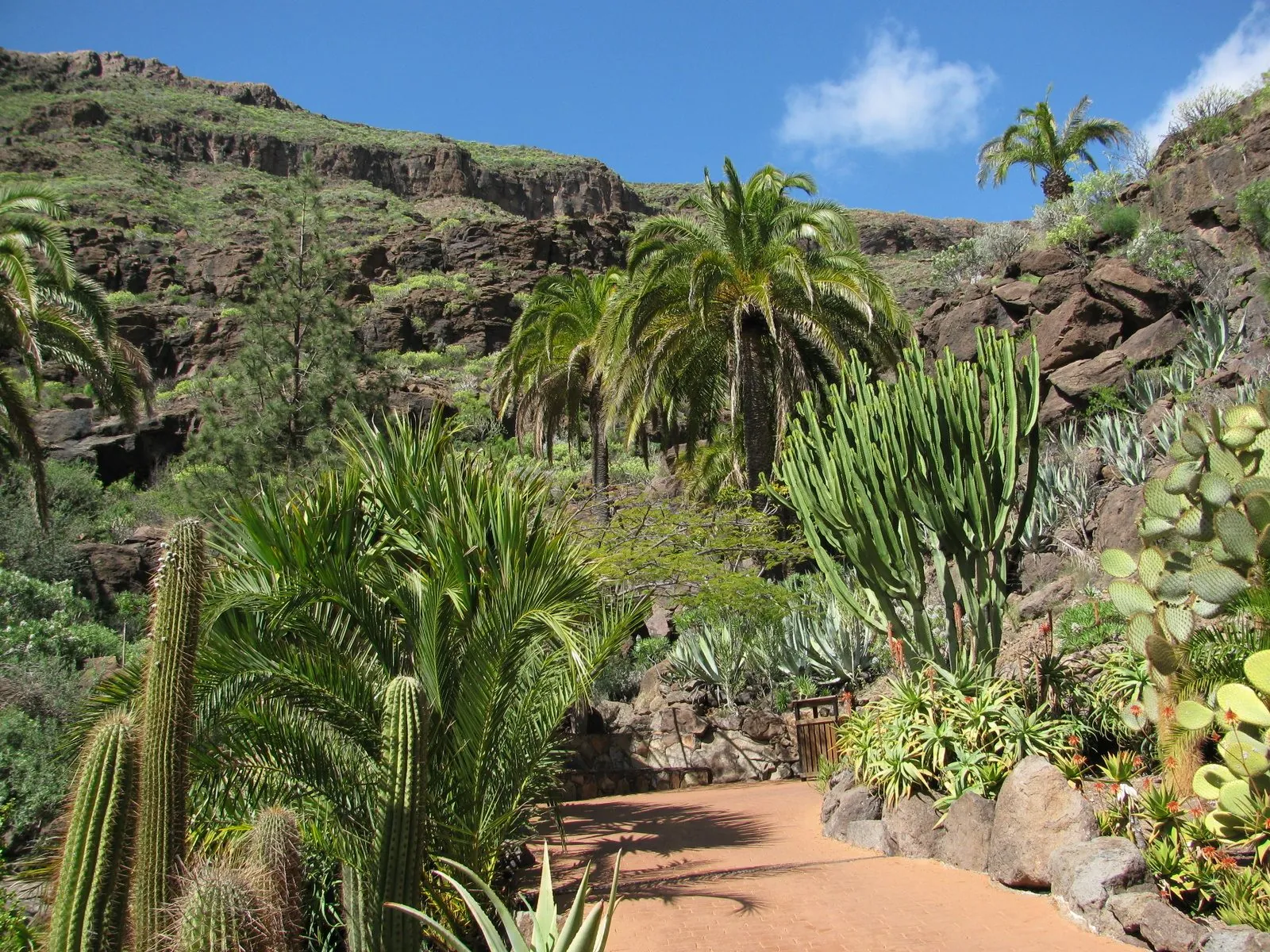
Photo: Donar Reiskoffer · CC BY 3.0 · Wikimedia Commons · scaled
Tickets & opening hours
Palmitos Park is open daily, year-round, typically from mid-morning to late afternoon (roughly 10:00 to 17:00–18:00 as of 2026, with last entry an hour or so before closing). Because the day is built around scheduled shows, arriving near opening gives you the best shot at seeing all of them — check the current show times on the official site or on the board at the entrance when you arrive.
Buy online, in advance. As of 2026, adult tickets sit in the region of €30-plus at the gate, with reduced prices for children and under-3s usually free — but the official website regularly discounts dated online tickets, so booking ahead is both cheaper and lets you skip the queue. Always confirm the current price on the official Palmitos Park site before you go.
Look out for combined tickets and "park + transport" deals, and check whether any extras — animal encounters, a guided experience — need booking separately. Prices and show line-ups change season to season, so treat any figure you read online (including here) as a guide, not gospel.
Getting there
Palmitos Park is about 10 km inland from the coast, up a winding barranco road behind Maspalomas. If you've hired a car it's a straightforward 15–20 minute drive from the southern resorts, and there's free parking at the park — this is the most flexible option, and it lets you carry on exploring the interior afterwards.
Without a car, the easiest route is the dedicated park bus that runs up from the main southern resort strip (Playa del Inglés, Maspalomas and nearby), sometimes bundled with the entrance ticket. Public buses (guaguas) also serve the route but less frequently, so check the return times before you set off — you don't want to miss the last one back. Taxis are quick but add up for a family.
The road in is narrow and twisty in places, and the car parks fill on busy days. If you're driving, take it slowly and aim to arrive early rather than at the midday peak.
Is it worth it?
For families, animal lovers and anyone who enjoys a botanical garden, yes — Palmitos Park is one of the better-run attractions in the south and the ravine setting lifts it well above a standard zoo. The bird shows in particular are memorable, and the gardens give the grown-ups something to enjoy while the kids race between enclosures.
A few honest caveats. It isn't cheap once you add a family's worth of tickets, food and transport, so it works best as a planned full day rather than a casual drop-in. The walking is real — lots of slopes and steps — which can be tiring for very young children, older visitors or anyone with mobility issues. And the dolphin show, while professionally done, is the kind of captive-animal display that some travellers now prefer to skip on welfare grounds; the good news is that the rest of the park stands perfectly well without it.
Come for the free-flying eagles and the orchid house, treat the rest as a bonus, and you'll leave happy.
Make a day of it
Palmitos pairs naturally with the coast. Spend the morning at the park while it's cooler, then head back down for an afternoon on the golden sand and dunes of Maspalomas beach. If your crew wants water-slide adrenaline on a separate day, the island's biggest water park, Aqualand Maspalomas, is only a few minutes away — and there are plenty of other things to do across the south if you're building a longer itinerary.
Best time of day: mornings are cooler and quieter, and you'll catch the early show cycle. In high summer the ravine gets hot fast, so a sunhat, water and breaks in the shaded gardens make all the difference.
Well organised, genuinely scenic and centred on animals rather than machinery, Palmitos Park earns its place near the top of most Gran Canaria "must-do" lists — just go in with a plan, book ahead, and let the show times set the rhythm of your day.