Seen from the deck of a yacht, the Canaries reveal a side that resort-goers never glimpse — hidden coves, dolphins riding the bow wave, and the extraordinary sight of a volcano rising straight out of the Atlantic. With steady trade winds, warm water, short hops between islands and a string of world-class marinas, the archipelago is one of Europe's finest sailing grounds, and a favourite winter escape for northern sailors. Whether you want to take the helm yourself on a bareboat charter or sit back with a skipper, this guide covers the options, the marinas, island-hopping under sail, and the winds that make it all work.
Bareboat vs skippered charter
The first decision is who's driving. A bareboat charter hands you the keys to a yacht to sail yourself — the freedom of your own boat, at a lower cost, but you'll need to prove your qualifications and experience. Charter companies typically ask for a recognised sailing certificate (such as an RYA licence or ICC) and a sailing CV; some also require a VHF radio certificate. A skippered charter puts a professional at the helm, so you can relax, learn, or simply enjoy the ride — ideal for less experienced groups, families, or anyone who wants local knowledge of the best anchorages. Many companies also offer a hostess or full crew, and cabin charters where you book a berth on a shared boat.
Not sure you're up to bareboat? A skippered charter for the first day or two is a brilliant way to learn the local waters, then some companies let experienced crews continue bareboat. It's the confidence-builder many first-time Canary sailors wish they'd booked.
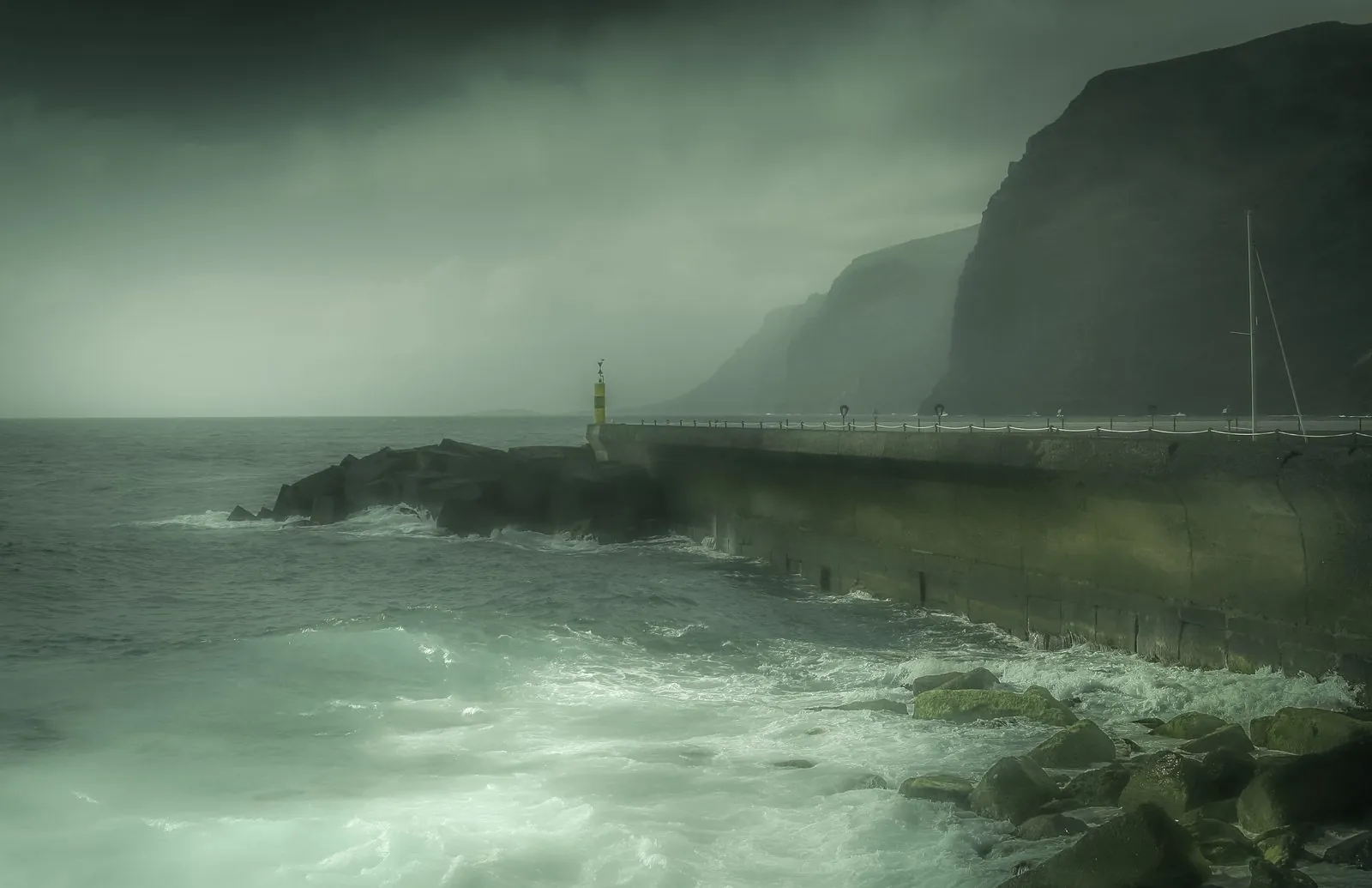
Photo: Jason Boldero · CC BY 2.0 · Wikimedia Commons · scaled
The marinas
The Canaries have excellent, modern marinas, several of them destinations in their own right with restaurants, bars and shops. The main charter bases are in the east, where the island-hopping is easiest:
| Marina | Island | Known for |
|---|---|---|
| Marina Rubicón | Lanzarote | Stylish charter base near Playa Blanca; great for the Fuerteventura hop |
| Puerto Calero | Lanzarote | Upmarket, well-serviced marina; popular charter and superyacht base |
| Las Palmas (Muelle Deportivo) | Gran Canaria | Big, well-connected marina; the classic Atlantic-crossing departure point |
| Los Gigantes | Tenerife | Dramatic base beneath towering cliffs; whales & dolphins offshore |
Others worth knowing include the marinas at Puerto de Mogán on Gran Canaria, San Miguel and Radazul on Tenerife, and Corralejo on Fuerteventura. Playa Blanca on Lanzarote, home to Marina Rubicón, is a particularly good launch pad for a Lanzarote–Fuerteventura sailing week.
Island-hopping under sail
The joy of a Canary charter is stringing islands together across short, scenic straits. The classic eastern route links Lanzarote and Fuerteventura via the sheltered anchorages around the little island of Isla de Lobos and the golden coves of Papagayo — protected water, dazzling beaches and manageable distances, perfect for a relaxed week. In the west, sailing between Tenerife, La Gomera and beyond crosses some of Europe's best whale-watching waters, though the channels here can be windier and more committing. For a gentler taste, day charters and boat trips run from most resorts — see our boat trips and watersports guide.
The trade winds
The Canaries sit in the belt of the north-easterly trade winds, which blow reliably for much of the year and give the islands their famously steady sailing conditions. These winds — and the acceleration zones between the islands, where the breeze funnels and strengthens — are what draw sailors here, but they demand respect: the channels between islands can be considerably windier and rougher than the sheltered leeward coasts. Summer generally brings stronger, more consistent trades; winter is milder and popular with charter guests escaping the cold, though the Atlantic can still deliver lively days. Always check the forecast, plan passages for the calmer morning hours where you can, and take local advice on the acceleration zones.
Don't be fooled by the calm in a sheltered marina. The straits between islands are notorious for sudden increases in wind and swell as the trades accelerate around the coasts. Plan your crossings carefully, reef early, and if in doubt, take a skipper for the passages.
What to expect on board
Charter yachts range from nippy monohulls to spacious catamarans — the latter increasingly popular for families and groups thanks to their stability and deck space. A typical week combines short sails between islands with long, lazy anchorages for swimming, snorkelling and beach visits. Provisioning is easy and cheap by European standards thanks to the low IGIC sales tax, and the marinas make restocking simple. Bring layers for cooler evenings and windier passages, plenty of sun protection, and soft bags rather than hard suitcases for stowage.
Getting there and combining with ferries
You don't have to charter to enjoy the sea between the islands — the regular passenger and car ferries are the everyday way to hop across, and a great option for combining a sailing taster with independent travel. See our ferries between the islands guide for routes and operators. Many visitors mix the two: a few days' charter, then ferries and land-based exploring.
Day sails and learning to sail
You don't need a whole week or a licence to feel the wind. Every main resort runs day sailing trips, sunset cruises and catamaran excursions — a relaxed, affordable taste of the water, often with lunch, snorkelling stops and a good chance of spotting dolphins. They're a great way to test your sea legs before committing to a charter. If you're bitten by the bug, the islands also have RYA-recognised sailing schools where you can gain the qualifications that unlock bareboat chartering. Our boat trips and watersports guide rounds up the day options.
The Canaries and Atlantic crossings
The archipelago has a special place in ocean sailing: Las Palmas on Gran Canaria is the traditional launch point for the annual transatlantic rally to the Caribbean, and every autumn its marina fills with blue-water yachts preparing to cross. You don't need to be an ocean sailor to enjoy the atmosphere — the marina bars buzz with crews swapping stories, and it's a fascinating window into long-distance cruising. For most charter guests, though, the pleasure is closer to home: short, sunny hops between islands rather than an ocean passage.
Planning your charter
Decide your base first — Lanzarote's Playa Blanca marinas for the easy eastern island-hop, Las Palmas for a bigger yachting scene, or Los Gigantes for west-coast drama and whales. Book early for the winter season, be honest about your experience when choosing bareboat vs skippered, and build in flexibility for the wind. Then let the trades do the rest.
A volcano off the bow, dolphins alongside and a deserted cove for the night — under sail, the Canaries feel like a different, wilder archipelago.