Playa de Güigüí is Gran Canaria's ultimate hidden beach — a magnificent arc of golden sand hidden beneath the towering, roadless cliffs of the island's wild western edge, reachable only on foot after a demanding hike or by boat from the coast. Protected as a natural reserve and utterly undeveloped, it rewards the effort of getting there with a sense of remoteness that has all but vanished from the busier south. For serious walkers and lovers of unspoilt places, standing on this empty golden shore beneath the mountains is one of the island's great experiences.
How to get there
There is no road to Güigüí — that's the whole point. The classic approach is a long, strenuous walk over the mountains from the hamlet of Tasartico, climbing steeply to a high pass before descending sharply to the sea. It's a genuine hike of several hours there and back over rough, exposed terrain, suitable only for fit, well-prepared walkers. The gentler alternative is to arrive by boat: seasonal excursions and water taxis run along the coast, dropping visitors on the sand without the climb. Whichever you choose, plan carefully and check the day's conditions first.
The hike from Tasartico is hard, with big ascents and descents, loose ground and no shade or water on the way. Start early, carry ample water and sun protection, wear proper footwear, tell someone your plans, and turn back if you're not confident. In high summer heat the walk can be dangerous.
What it's like
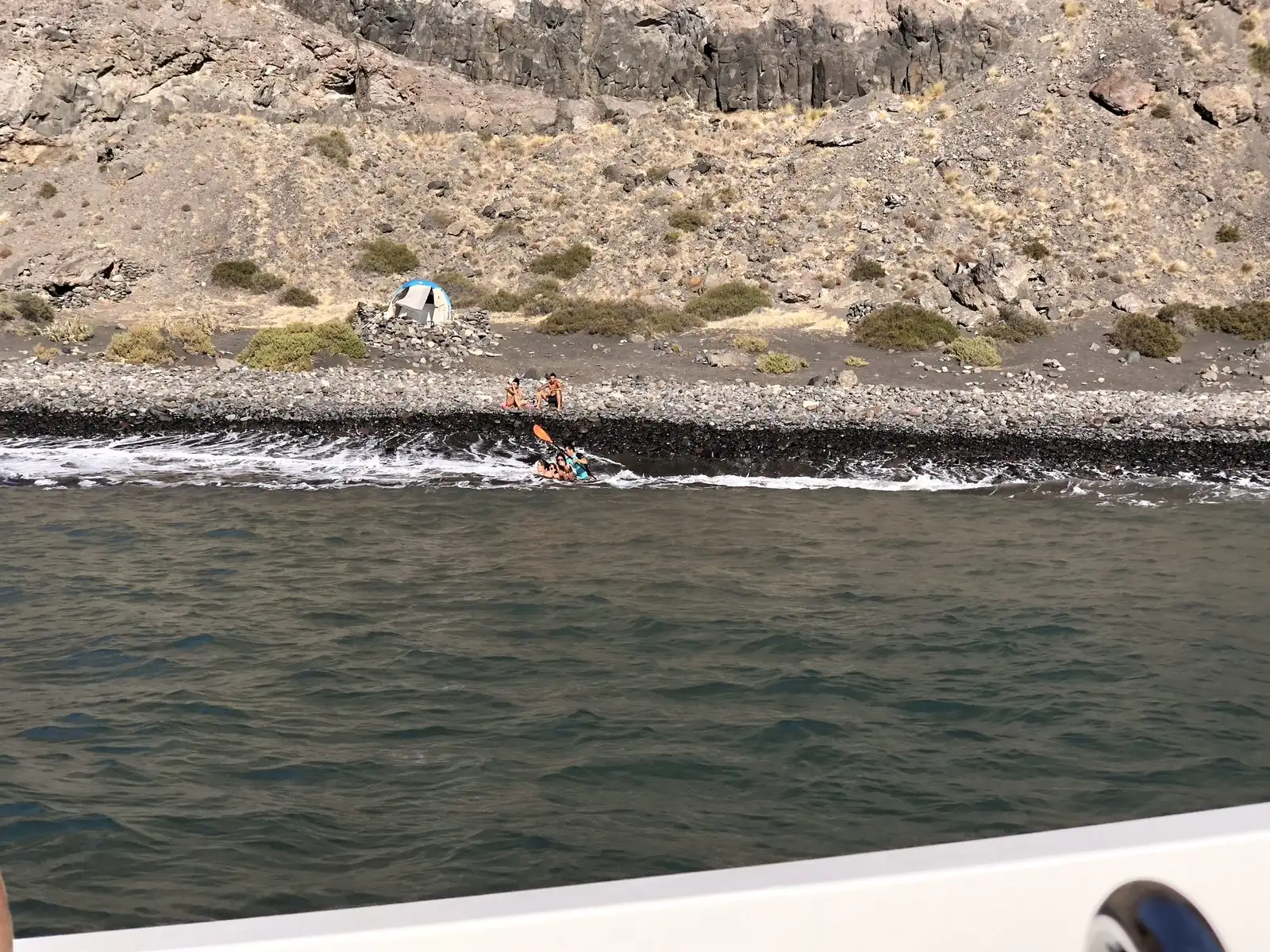
The reward is spectacular: a wide, gently shelving beach of soft golden sand — a rarity on this dark-sand coast — backed by soaring cliffs and framed by the deep blue Atlantic. Because access is so difficult, it's often nearly deserted, and the silence and scale of the place are extraordinary. There's nothing here but sand, sea, rock and sky. Many who make the journey describe it as the most beautiful and unspoilt beach on the whole island.
Güigüí is the beach you have to earn — and it pays you back in full.
Swimming and safety
The water is clean, clear and inviting, but this is remote open ocean with no lifeguards and no help at hand. There can be waves and currents, and the seabed drops away in places, so swimming calls for good judgement and confidence. On a calm day it can be a glorious, memorable dip; when the swell is up, be cautious and stay well within your limits. Remember that any problem here is a long way from assistance.
No lifeguards, no phone signal in places, no shops and no drinking water. Self-sufficiency is essential — bring everything, swim within your ability, and never take risks with the sea when you're this far from help.
Facilities
None whatsoever. Güigüí is a protected wild beach with no toilets, no shade, no café and no services of any kind. Everything you need must come with you, and everything you bring must leave with you. This absence of development is precisely what keeps the beach so pristine, and respecting it — leaving no litter, taking nothing — is part of the privilege of visiting.
Best for whom
This beach is for experienced hikers, adventurers and anyone who dreams of a truly wild, empty shore and is prepared to work for it. It suits those who value solitude and natural beauty above comfort and convenience. It is absolutely not for families with small children, casual visitors or anyone wanting easy access — for a relaxed serviced beach day, the resort bays of the south are the place to go. But for the fit and the curious, Güigüí is unforgettable.
Nearby
Güigüí sits on the same untamed western coast as the wild, valley-mouth beach of Playa de Veneguera, another undeveloped stretch that shares its remote character and demands similar preparation. Inland rise the great ravines and peaks of the island's mountainous heart, superb country for walkers. If you're drawn to this rugged, empty side of the island, build it into a wider exploration. For routes, planning and where to stay, see our full guide to Gran Canaria.