Playa de Maspalomas is the postcard image of Gran Canaria — a wide sweep of pale golden sand backed by a rolling sea of protected dunes, with a stubby 19th-century lighthouse standing guard at the western end. It is one of the most striking beaches in all of Spain: a genuine desert landscape running straight down to a warm Atlantic, on the sunny southern tip of Gran Canaria. Come for the space, the light and the sense of being somewhere wild, even though a full-blown resort sits just behind the sand.
The dunes: a nature reserve, not a building site
The dunes of Maspalomas cover several square kilometres and are protected as a Reserva Natural Especial — a special nature reserve. That protection is the whole reason this corner of the island still feels open and untamed rather than paved over. The sand shifts constantly on the trade winds, so the shapes you see change from week to week, and rare plants and birds cling to the hollows between the ridges. You are free to walk across the dunes to reach the beach, but stick to the informal paths, keep off the fragile fenced-off zones, and take everything back out with you.
Walking across open sand in the midday heat is harder and hotter than it looks, and there's no shade out in the dunes. Carry water, wear something on your feet, and set out earlier or later in the day if you can.
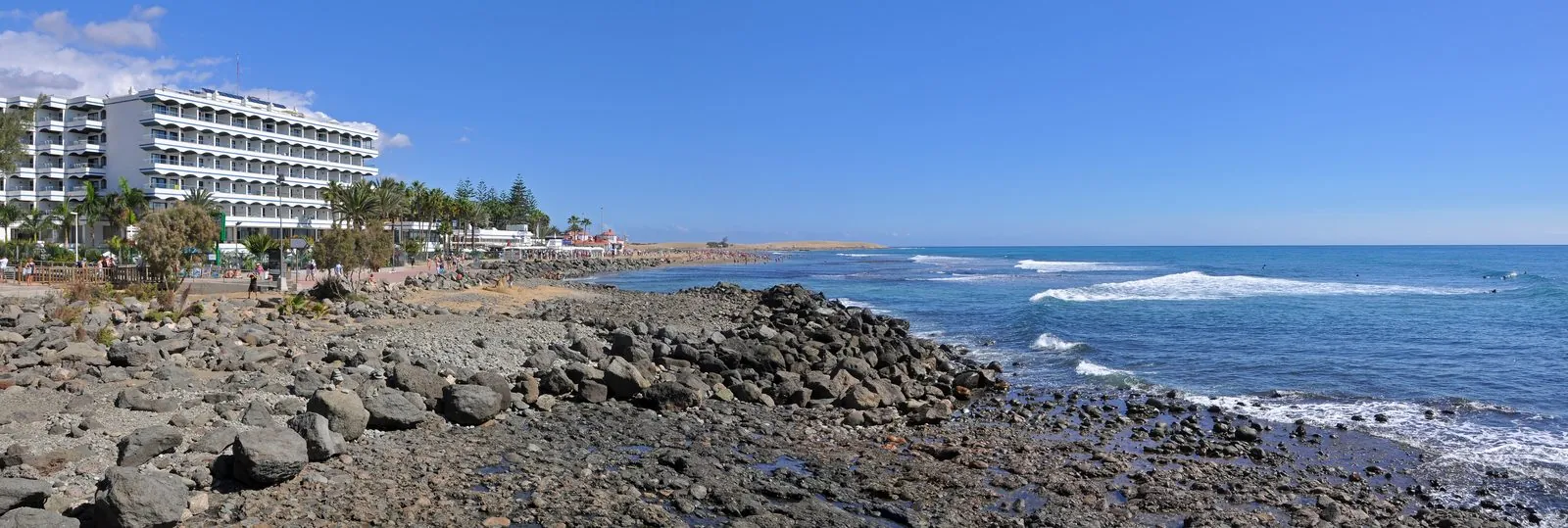
Where the dunes finally meet the sea you get the beach's signature view: golden ridges tumbling down to the shoreline, with the ocean stretching away and, on clear days, the outline of the neighbouring island in the distance. It is a favourite spot for photographers, especially early morning and late afternoon when the low sun rakes across the sand and throws long shadows.
El Faro — the Maspalomas lighthouse
At the western end stands El Faro, the tall Maspalomas lighthouse, one of the oldest landmarks on this coast. The area around its base has been smartened up into a pleasant plaza with restaurants, cafés and shops, and a promenade curving round towards the marina and the charca, a saltwater lagoon behind the beach that draws migrating birds. The lighthouse end is the easiest place to arrive, park and eat, and it's a lovely place to be at dusk.
Getting there
Maspalomas sits at the southern tip of the island, roughly half an hour by road from the airport. If you're staying in the resort of Maspalomas or next-door Playa del Inglés you can simply walk in — the beach is on your doorstep, though from Playa del Inglés it's a fair stroll across the sand to the lighthouse end. There are car parks near El Faro and by the shopping centres, but they fill quickly in peak season. Local buses (guaguas) link the whole south coast, and taxis are plentiful.
Two ends, two moods
It helps to think of the beach as having two entrances. The Playa del Inglés end (east) is livelier, closer to the big resort and its promenade of bars. The lighthouse end (west) is calmer, family-oriented and better served for parking and food. In between runs the long open stretch fronting the dunes, which is quieter simply because it takes effort to reach.
What it's like to swim
The Atlantic here is open sea, so conditions vary with the wind and tide. On calm days it's a beautiful, gently shelving swim in warm, clear water; on breezier days there can be waves and a pull in the current, and the beach is long and not lifeguarded end to end. Keep an eye on any flags at the staffed sections, swim where other people are, and take extra care with children when there's surf running.
This is a natural ocean beach, not a sheltered bay. Currents can be deceptive on windy days — if you want flat, shallow water for young children, the man-made bay at Amadores further west is a gentler choice.
Facilities
The developed ends of the beach have sunbed and parasol hire, showers, toilets, lifeguards in season and beach bars (chiringuitos) within easy reach of the sand. The middle section fronting the dunes is deliberately undeveloped — no sunbeds, no bars, just sand — so bring what you need if you're heading out there. A long section of the central dunes is a well-known naturist area, clothing-optional and used by a mixed crowd; it's easy to avoid if it's not for you, and equally easy to find if it is.
Best for
Maspalomas is for anyone who wants scenery with their beach day — the dune landscape lifts it well above an ordinary resort strip. It suits walkers, photographers and couples after a sunset, as well as families who base themselves near the lighthouse end. If you specifically want calm, shallow, sheltered water or a compact bay ringed with bars, look instead at Amadores or Puerto Rico along the same coast.
Sunset and nearby
Sunset is the beach's magic hour. Watching the sky change colour over the dunes and the lighthouse is a genuine highlight of a south-coast holiday, and the plaza at El Faro is the perfect place to settle in for dinner afterwards. The rest of the resort strip — the shopping centres, the promenade, the nightlife of Playa del Inglés — is all within walking or a short taxi ride, and the family attractions clustered inland around Maspalomas make easy day trips when you fancy a break from the sand.
For a fuller picture of the area, its hotels and where it fits on the island, see our guides to Gran Canaria and the resort of Maspalomas.